 303-825-2223

Always Available, Serving 24/7
303-825-2223


When bicycle accidents occur, victims need dedicated legal representation to recover fair compensation while navigating insurance claims, medical documentation, and Colorado liability laws that govern cyclist rights on city streets and bike paths. Bicyclists face severe injuries when motorists fail to yield the required three-foot passing distance under Colorado Revised Statutes § 42-4-1003, turning left across bike lanes without checking blind spots, opening vehicle doors into traffic (dooring), or operating distracted through Denver’s downtown corridor and residential neighborhoods. Insurance adjusters routinely minimize cyclist injury claims by arguing comparative fault, questioning injury severity, disputing medical treatment necessity, or asserting that riders violated traffic statutes, creating barriers to compensation recovery if victims lack documentation proving driver negligence, traffic violations, or medical causation linking crash forces to diagnosed conditions such as traumatic brain injuries, spinal cord damage, or orthopedic fractures requiring surgical intervention and extended rehabilitation.
A Denver bicycle accident lawyer at Rosenthal Injury Law conducts scene investigations documenting skid marks, debris fields, helmet damage patterns, and surveillance footage from nearby businesses or traffic cameras that establish motorist liability, working with accident reconstruction specialists who calculate vehicle speeds, impact angles, and stopping distances that prove driver fault under Colorado comparative negligence statutes. Legal representation includes reviewing police crash reports for citation evidence, obtaining witness statements confirming traffic signal status or vehicle movements, consulting biomechanical engineers who connect crash dynamics to specific injury patterns, and securing medical records from emergency departments, trauma centers, orthopedic surgeons, and neurologists that document treatment costs, disability duration, and permanent impairment ratings used to calculate economic damages and non-economic losses. Our personal injury attorneys handle all settlement negotiations with liability insurers and uninsured motorist carriers, countering defense arguments about helmet usage, cyclist visibility, or alleged traffic violations with engineering data, medical testimony, and damage calculations that establish full compensation entitlement for past and future medical expenses, wage losses from employment interruption, and pain suffered from catastrophic injuries requiring lifetime care.
The benefits of hiring a bicycle accident lawyer in Denver are listed below:
Partnering with Jeremy Rosenthal means working with an attorney dedicated to putting injury victims first. With a focus on responsive communication and thorough case preparation, clients consistently recognize the firm’s determination to help every accident victim recover the compensation they deserve.
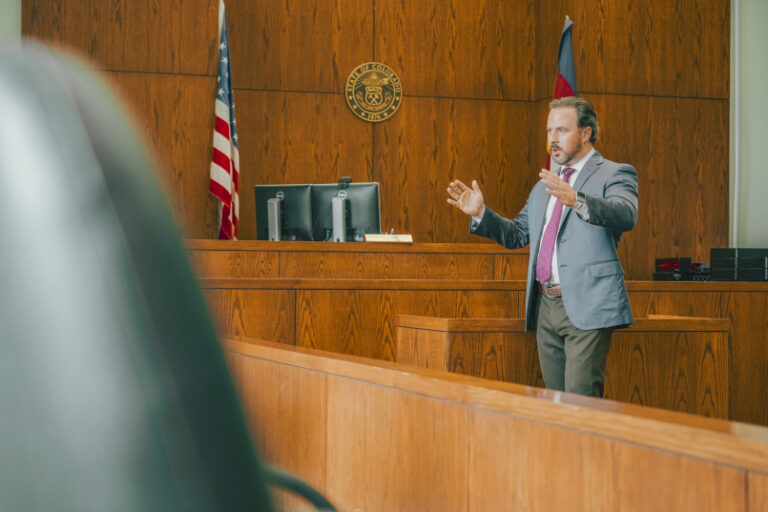
Jeremy Rosenthal handles bicycle collision cases throughout Denver County with a litigation-focused approach that prioritizes courtroom preparation from the first client meeting. Rosenthal Injury Law represents cyclists who suffer injuries on Denver streets, bike lanes, and shared roadways where driver negligence creates dangerous conditions for vulnerable road users. Denver’s expanding cycling infrastructure includes over 196 miles of designated bikeways according to Denver Public Works data, yet crashes continue to occur at intersections, during lane changes, and in areas where vehicle operators fail to yield proper right-of-way to cyclists.
Jeremy Rosenthal brings trial experience to each bicycle accident claim, focusing on liability establishment through accident reconstruction, witness interviews, traffic camera footage review, and consultation with cycling safety analysts who evaluate roadway conditions. The firm coordinates with medical providers who treat orthopedic injuries, traumatic brain injuries, spinal damage, and soft tissue trauma commonly sustained when cyclists are struck by motor vehicles or encounter hazardous road conditions. Investigation begins immediately after retention to preserve evidence, including bicycle damage assessment, helmet inspection, clothing documentation, and scene photography that captures road surface defects, signage visibility, and traffic control device placement at collision locations throughout Denver neighborhoods.
Attorney Jeremy Rosenthal is dedicated to helping his clients seek just compensation for their injuries, regardless of the lengths he has to go to or the distances he may have to travel in order to get it. With over two decades of experience as a personal injury attorney in Colorado, Jeremy has represented clients with a wide variety of claims, including slip and falls, car accidents, product liability, and dog bites. Before fighting for plaintiff’s rights, he worked in insurance defense, giving him invaluable insight into the tactics insurance companies use to lower case values. Jeremy is a SuperLawyers Rising Stars Honoree, has been rated in the Top 100 Trial Attorneys by The National Trial Lawyers, and is a member of the Million Dollar Advocates Forum.

Rosenthal Injury Law fights for bicycle accident victims against insurance companies that try to minimize payouts and shift blame.
Clients communicate directly with Jeremy Rosenthal throughout the legal process rather than being handed off to paralegals or junior staff members. This personal service ensures that clients receive immediate answers to questions, understand the status of their cases, and participate in decisions about settlement offers or trial strategy. The firm maintains open communication channels by phone, email, and in-person meetings.
Jeremy Rosenthal is committed to traveling any distance necessary to secure justice for his clients. In one case involving a defective BBQ grill manufactured in China, he flew halfway around the world to depose the CEO—and the case settled within a month of his return. This determination to pursue every avenue demonstrates the firm’s unwavering commitment to client outcomes.
The Denver attorneys at Rosenthal Injury Law have tried numerous cases before juries and understand how to present bicycle accident evidence effectively in court. This courtroom background gives the firm credibility during settlement negotiations because insurance companies recognize the risk of proceeding to trial.
The firm operates on a contingency fee basis, meaning clients pay no attorney fees unless the firm recovers compensation on their behalf. This arrangement allows injured cyclists to access experienced legal representation without financial barriers, ensuring that insurance companies cannot outlast victims who lack resources to fight prolonged legal battles.
Rosenthal Injury Law acts immediately to secure crash scene photographs, surveillance footage, witness statements, and physical evidence before it disappears or deteriorates. The firm sends preservation letters to businesses, municipalities, and other entities that might possess relevant video or documents. Quick evidence collection strengthens claims by documenting road conditions, vehicle positions, and driver behavior at the time of the collision.
Before representing injured plaintiffs, Jeremy Rosenthal worked as an insurance defense attorney, giving him insider understanding of the tactics and strategies insurance companies use to devalue claims. This experience allows the firm to anticipate defense arguments, counter lowball settlement offers, and build cases that overcome common insurance company objections. Combined with his judicial clerkship experience, this background provides comprehensive insight into all sides of the legal process.
The settlement amounts below reflect potential settlement ranges from successful bicycle accident cases and negotiations. No fixed formula calculates individual awards since each bicycle accident case involves distinct circumstances and variables.
Denver bicycle wreck attorneys can help you recover fair compensation for your accident claim. Contact us today to schedule your free consultation.
Medical bills after bicycle accidents encompass emergency room care, ambulance transportation, diagnostic imaging, surgical procedures, prescription medications, and follow-up appointments that accumulate rapidly following crashes. Colorado law permits recovery of all reasonable and necessary treatment expenses directly resulting from bicycle collision injuries, including future medical costs that physicians predict through documented prognosis reports. Attorneys compile itemized billing statements, medical records, and treatment plans to establish the full scope of healthcare damages when insurance companies dispute claims. Hospital liens, payment plans, and outstanding balances get negotiated during settlement discussions to maximize net recovery amounts.
Bicycle accident recovery often requires extensive physical therapy sessions, occupational therapy programs, chiropractic treatments, and specialized rehabilitation services that continue for months or years after initial hospital discharge in cases. Therapists document progress through detailed session notes, functional capacity evaluations, and recovery milestone assessments that prove ongoing treatment necessity when insurance adjusters challenge claim values. Colorado courts recognize rehabilitation as essential medical care, allowing victims to recover costs for therapeutic equipment, home modifications, and assistive devices prescribed during recovery periods. Long-term rehabilitation needs get calculated through physician testimony and life care planning experts who project future treatment requirements.
Bicycle accident lost income claim damages include missed workdays, unused vacation time, sick leave depletion, and reduced earning capacity that occurs when injuries prevent performing normal job duties. Attorneys calculate wage losses by analyzing pay stubs, tax returns, employment contracts, and employer verification letters that document pre-accident income levels and post-crash absence periods. Self-employed individuals, gig workers, hourly employees, and salaried professionals all qualify for compensation when medical restrictions limit work capacity or force complete absence from employment. Colorado law permits recovery for both past wages already lost and future earning capacity diminishment that physicians predict through permanent impairment ratings.
Bicycle accident injuries create physical discomfort, emotional distress, mental anguish, and reduced quality of life that Colorado law recognizes as compensable non-economic damages separate from medical bills and wage losses. Attorneys establish pain and suffering values through injury severity documentation, treatment duration records, permanent impairment ratings, daily activity limitations, and testimony describing how injuries disrupted normal life enjoyment in Denver communities. Broken bones, traumatic brain injuries, spinal cord damage, and soft tissue trauma all generate different pain and suffering calculations based on recovery timelines and long-term consequences. Juries consider medical testimony, before-and-after lifestyle comparisons, and plaintiff descriptions when determining fair compensation amounts during trial proceedings.
Property damage claims cover bicycle repair costs, replacement value for destroyed bikes, damaged safety equipment, torn clothing, broken accessories, and personal items destroyed during collisions. Colorado law requires at-fault drivers to compensate cyclists for fair market value of damaged property, calculated through repair estimates, replacement quotes, and depreciation assessments when bicycles cannot be repaired. Custom bikes, high-performance road bicycles, electric bikes, and specialty equipment require professional appraisals to establish accurate pre-collision values when insurance companies offer inadequate settlement amounts. Attorneys gather purchase receipts, maintenance records, upgrade documentation, and comparable sales data to prove property values and negotiate full replacement compensation.
Loss of enjoyment of life damages compensate bicycle accident victims when injuries prevent participation in activities, hobbies, and daily pleasures previously enjoyed before the collision occurred. Colorado courts recognize this distinct category of non-economic damages, allowing recovery when crashes eliminate your ability to engage in sports, recreation, social events, or family activities. Attorneys demonstrate these losses through testimony, journals, photographs, and statements from family members who observe the changes in your lifestyle. Documentation proves how injuries diminish your quality of life, creating a permanent void that deserves fair financial recognition under state law.
Emotional trauma following bicycle collisions manifests through anxiety, depression, sleep disorders, and post-traumatic stress symptoms that persist long after physical injuries heal. Colorado law recognizes trauma after a bike accident as compensable psychological damage when victims develop documented mental health conditions requiring therapy, medication, or psychiatric treatment. Mental health providers diagnose conditions, including CD-10 coded disorders, while therapists document session notes proving the severity and duration of emotional suffering stemming directly from the crash. Cyclists often experience heightened fear when returning to roadways, avoiding previously enjoyed routes and activities due to persistent psychological distress.
Permanent disability results when bicycle accident injuries cause lasting impairments that prevent returning to pre-collision physical capabilities, employment duties, or independent living activities. Permanent disability after bicycle accident claims require medical documentation from treating physicians, specialists, and vocational rehabilitation professionals who evaluate the extent and duration of functional limitations. Colorado courts assess disability using American Medical Association impairment rating guidelines, measuring reduced range of motion, chronic pain, mobility restrictions, and cognitive deficits that persist indefinitely. Attorneys calculate economic losses by projecting lifetime earnings reduction, ongoing care needs, home modifications, and assistive device costs necessary to accommodate permanent limitations.
Scarring or disfigurement compensation addresses visible, permanent marks and altered physical appearance resulting from bicycle collision injuries, including facial lacerations, burn injuries, and surgical scars. Disfigurement after bicycle accident claims demonstrate how permanent changes affect employment opportunities, social interactions, romantic relationships, and psychological well-being throughout the victim’s remaining lifetime. Colorado law allows recovery for both the physical scarring itself and the emotional consequences of living with altered appearance, including diminished self-esteem and social withdrawal. Plastic surgeons, dermatologists, and psychologists provide testimony regarding scar severity, revision surgery limitations, and ongoing emotional impact on daily functioning.
Future treatment costs encompass all medically necessary care, procedures, medications, and therapies required after settlement or verdict for injuries sustained in bicycle accidents. Colorado law permits recovery of projected medical expenses when physicians provide testimony establishing reasonable medical probability that future care becomes necessary due to collision-related injuries. Life care planners calculate costs by evaluating surgical needs, medication regimens, physical therapy sessions, assistive devices, and home health aide services required throughout the victim’s lifetime. Attorneys present economic reports itemizing annual expenses, inflation adjustments, and present value calculations ensuring you receive adequate compensation for decades of anticipated treatment.
Permanent injuries from bicycle accidents reduce victims’ ability to earn income throughout their remaining work years, creating substantial financial losses that earning capacity vs loss of future earnings calculations must account for when determining fair compensation in local courts. Colorado law distinguishes between temporary wage loss and permanent reduction in earning power, requiring vocational experts and economists to project lifetime income differences caused by disabilities from the crash. Attorneys analyze pre-accident salary history, education levels, career advancement potential, and medical restrictions that prevent returning to prior occupations or pursuing promotions. Documentation includes employer testimony about job requirements, medical evaluations of physical limitations, and financial models showing reduced retirement contributions and pension benefits.
Spouses and family members suffer measurable harm when bicycle accident injuries destroy relationships, intimacy, companionship, and household contributions that consortium damages compensate through separate claims filed alongside the injured party’s lawsuit in Colorado courts. Juries evaluate how severe injuries prevent victims from fulfilling marital roles, participating in family activities, providing emotional support, and maintaining physical relationships that existed before the collision. These non-economic losses require testimony from both spouses about changes in daily life, lost shared experiences, and emotional distance created by permanent disabilities or chronic pain from the crash. Colorado recognizes consortium claims for legally married spouses, though documentation standards demand specific evidence showing relationship quality before and after the accident.
Courts award punitive damages in rare bicycle accident cases involving drunk drivers, reckless motorists fleeing police, or defendants who ignored known safety hazards creating extreme danger that goes beyond ordinary negligence standards under Colorado law. These damages punish egregious conduct and deter similar behavior rather than compensating victims for losses, requiring clear evidence that defendants acted with willful disregard for human safety or conscious indifference to injury risks. Colorado Revised Statutes cap punitive damages at the greater of three times compensatory damages OR $500,000, with courts able to exceed this cap in cases involving fraud, intentional harm, or consumer protection violations.
Bicycle accident litigation expenses accumulate through multiple types of legal fees, including contingency percentages, court filing charges, expert witness costs, deposition transcripts, and medical record retrieval that Colorado attorneys advance on behalf of injured clients during case preparation. Personal injury lawyers typically work on contingency, collecting payment only when settlements or verdicts produce recovery, with percentages ranging from 33% to 40% depending on case complexity and trial requirements. Court costs cover complaint filing fees, service of process expenses, jury fees, and expert testimony charges that attorneys document throughout representation and deduct from final settlement amounts before calculating client net recovery. Clients receive detailed accounting statements showing all advanced costs and fee calculations before signing settlement releases or accepting jury verdicts.
Fatal bicycle accidents create wrongful death compensation claims that surviving family members file under Colorado Revised Statutes §13-21-201, recovering economic losses, funeral expenses, and non-economic damages for losing their loved one’s presence, guidance, and financial support. These claims compensate spouses, children, and designated beneficiaries for medical bills before death, burial costs, lost future earnings the deceased would have provided, and the immeasurable loss of companionship and parental guidance that families suffer when negligent drivers kill cyclists. Colorado law imposes strict filing deadlines and designates specific family members who may bring wrongful death actions, requiring attorneys to identify proper plaintiffs and calculate damages, including lost household services, inheritance losses, and grief counseling expenses. Juries consider the deceased’s age, health, earning potential, and family relationships when determining appropriate compensation amounts that reflect both financial harm and emotional devastation.
Denver bicycle accident statistics reveal concerning patterns across the Mile High City, where growing cycling infrastructure meets increasing vehicular traffic along major freight corridors. The collision rate climbs when rush-hour commuters, delivery trucks navigating I-25 and I-70, and recreational cyclists converge on urban streets and shared-use paths throughout Denver County. Denver experiences approximately 480 bicycle accidents annually according to Colorado Department of Transportation (CDOT) data, translating to roughly 1.3 Denver bicycle accident incidents daily across the metropolitan area.
Denver recorded 480 bicycle crashes during the most recent reporting period according to CDOT statistics, representing 18% of all bicycle collisions statewide despite containing only 11% of Colorado’s population. Serious injury crashes account for 142 incidents (29.6% of total Denver bicycle accident cases) based on Colorado Highway Safety Office reports, while fatal crashes claim between 4 and 7 cyclist lives annually according to National Highway Traffic Safety Administration (NHTSA) data. The Denver bicycle accident rate increased 14% from 2019 to 2023 according to CDOT trend analysis, driven primarily by expanded e-bike usage, delivery service proliferation, and incomplete protected bike lane networks along high-speed arterials. Denver’s crash-per-cyclist ratio reaches 2.1 incidents per 1,000 regular riders according to Denver Department of Transportation and Infrastructure (DOTI) surveys, exceeding the state average of 1.7 crashes per 1,000 cyclists.
Downtown Denver generates the highest bicycle collision frequency within Denver County, recording 87 crashes annually according to DOTI data, because concentrated office towers, tourist destinations, and multi-modal transit hubs create dense pedestrian-cyclist-vehicle interaction zones along 16th Street Mall, Blake Street, and Speer Boulevard corridors. Capitol Hill follows with 64 incidents according to Denver Police Department reports, where narrow residential streets, angle parking configurations, and high cyclist volumes along Colfax Avenue produce frequent dooring incidents and right-hook collisions at unmarked intersections. Cherry Creek accounts for 41 Denver bicycle accident cases according to CDOT statistics, concentrated along Cherry Creek Trail access points where recreational path users enter high-speed roadways without protected crossings or adequate signage warning motorists of cyclist presence. LoDo (Lower Downtown) records 53 collisions annually according to DOTI analysis, driven by distracted driving near bars and restaurants, delivery vehicle double-parking in bike lanes, and tourist unfamiliarity with Denver’s cycling infrastructure along Wynkoop Street and Larimer Street corridors. Highland sees 38 Denver bicycle accident incidents according to Denver safety data, where gentrification brings increased vehicular traffic to historically bike-friendly streets, creating conflicts at uncontrolled intersections along 32nd Avenue, Lowell Boulevard, and Federal Boulevard routes where visibility remains compromised by parked cars.
Bicycle accidents in Denver average approximately 1.2 crashes daily based on Colorado Department of Transportation data reporting 437 bicycle-involved collisions across the city during 2022. This daily average fluctuates seasonally, with warmer months from May through September experiencing higher incident rates when recreational cycling, commuter ridership, and tourist activity peak throughout urban corridors and dedicated bike paths. Denver’s expanding cycling infrastructure, including over 200 miles of designated bike lanes and multi-use trails, serves roughly 60,000 daily bicycle commuters according to Denver Regional Council of Governments transportation surveys, creating increased interaction points between cyclists and motor vehicles at intersections, crosswalks, and shared roadways. Collision frequency concentrates in downtown corridors, the Cherry Creek Trail system, and high-traffic arterial streets where vehicle speeds, distracted driving, and inadequate cyclist visibility contribute to crash causation.
Bicycle accident lawyers help clients in Denver avoid future accidents and legal pitfalls by providing comprehensive safety guidance and protecting your rights after collisions occur. Attorneys review accident circumstances to identify preventable factors such as inadequate bike lane infrastructure, driver blind spots, or dangerous intersection configurations that contributed to your crash. This analysis helps you modify riding routes, adjust commuting times, or adopt defensive cycling techniques that reduce collision risk during future rides. Lawyers also prevent legal mistakes that jeopardize compensation claims, including giving recorded statements to insurance adjusters without representation, accepting early settlement offers that undervalue injuries, or missing Colorado’s statute of limitations deadlines. Your legal team reviews insurance policies to confirm adequate coverage exists if another collision occurs, advocates for improved cycling infrastructure at dangerous intersections where your accident happened, and documents injury patterns that establish precedent for future claims.
Taking specific protective actions immediately following a bicycle collision preserves evidence and protects your legal rights throughout the claims process
Dooring accidents occur when drivers or passengers open car doors into the path of approaching bicycles, causing riders to collide with the door or swerve into traffic lanes. A skilled dooring accidents attorney establishes liability through traffic camera footage, witness statements, police reports, bicycle damage analysis, and medical records documenting injuries suffered during the collision. These crashes result in serious injuries including fractured clavicles, traumatic brain injuries, road rash requiring skin grafts, and spinal cord damage that permanently affects mobility. Colorado Revised Statute § 42-4-1207 requires vehicle occupants to check for approaching traffic before opening doors, creating clear liability when drivers violate this duty and strike bicycle riders. Denver County experiences these crashes frequently along high-traffic corridors including the 16th Street Mall, Broadway, and Colfax Avenue where parked cars line both sides of bicycle lanes.
Common Causes
Right hook collisions happen when motorists turn right across bicycle lanes without yielding to cyclists traveling straight through intersections or alongside traffic. An experienced right hook collisions lawyer proves negligence through intersection camera recordings, helmet camera footage, traffic signal timing data, vehicle damage patterns, witness testimony, and accident reconstruction reports that demonstrate the driver’s failure to yield. Bicycle riders suffer catastrophic injuries, including compound femur fractures, internal organ damage, cervical spine injuries requiring fusion surgery, and facial trauma causing permanent scarring and disfigurement. Colorado law under § 42-4-901 mandates that turning vehicles yield right-of-way to bicycles proceeding straight, establishing clear fault when drivers cut off cyclists to complete turns. Denver transportation data shows right hook crashes occur most frequently at intersections along I-25 access roads, I-70 service streets, and high-volume corners throughout the Five Points and Capitol Hill neighborhoods.
Common Causes
Left cross accidents strike bicycles when drivers turn left across oncoming traffic lanes without yielding to cyclists traveling straight through the intersection with right-of-way. A skilled left cross accidents attorney builds cases using intersection surveillance footage, police crash reports, medical imaging documenting injury severity, bicycle component failure analysis, eyewitness depositions, and traffic engineering assessments showing sight line obstructions. These high-speed collisions cause devastating injuries, including traumatic brain injuries requiring lifelong care, multiple bone fractures affecting arms and legs simultaneously, punctured lungs from rib cage compression, and severe abdominal trauma damaging kidneys and liver tissue. Section 42-4-901 of Colorado Revised Statutes imposes strict liability on left-turning drivers who fail to yield to oncoming bicycle traffic proceeding straight through controlled intersections. According to Colorado Department of Transportation collision data, Denver County records 147 left cross bicycle crashes annually, concentrated near I-225 interchanges, I-76 exit ramps, and busy intersections throughout the Cherry Creek and Washington Park areas.
Common Causes
Rear-end collisions impact bicycle riders when following motorists strike cyclists from behind, often at substantial speed differentials that amplify injury severity and property damage. An experienced rear-end collisions lawyer establishes fault through police accident reports documenting point of impact, vehicle black box data recording pre-crash speed, witness statements describing driver behavior, bicycle frame structural analysis, medical records detailing injury progression, and photographs showing roadway conditions at collision sites. Victims sustain serious injuries including lumbar spine compression fractures, shoulder rotator cuff tears requiring surgical repair, pelvic fractures causing permanent gait abnormalities, and psychological trauma manifesting as post-traumatic stress disorder preventing return to cycling. Colorado statute § 42-4-1008 requires following drivers to maintain assured clear distance behind bicycles sharing roadway lanes, creating presumed negligence when rear impacts occur between motor vehicles and bicycle operators. Denver experiences these crashes regularly along busy streets including Speer Boulevard, Federal Boulevard, and corridors parallel to I-25 where bicycle commuters share lanes with distracted drivers during morning and evening rush periods.
Common Causes
Sideswipe accidents occur when motorists drift into bicycle lanes or strike cyclists while attempting to pass with inadequate clearance, violating safe passing distance requirements. A skilled sideswipe accidents attorney documents liability through helmet camera recordings showing vehicle encroachment, side mirror damage photographs, paint transfer analysis linking specific vehicles to impacts, medical imaging revealing injury patterns consistent with lateral impacts, police reports citing unsafe passing violations, and engineering studies measuring actual lane widths versus legal requirements. Bicycle riders experience severe injuries including clavicle fractures from falling onto shoulders, elbow dislocations requiring surgical reconstruction, hip fractures in elderly cyclists causing permanent mobility limitations, and concussions from striking pavement after being knocked sideways. Colorado Revised Statute § 42-4-1003 mandates motorists provide at least three feet of clearance when passing bicycles, establishing clear negligence when drivers pass closer and strike bicycle operators sharing public roadways. Denver County reports frequent sideswipe crashes along narrow sections of major thoroughfares including portions of I-70 frontage roads, streets near I-76 industrial areas, and congested lanes throughout downtown where bicycle infrastructure remains incomplete or poorly maintained.
Common Causes
Intersection collisions occur when drivers fail to yield right-of-way to bicycle riders crossing at traffic signals, making left turns across bike lanes, or running red lights at busy Denver crossroads including Colorado Boulevard and East Colfax Avenue. A skilled intersection collisions lawyer establishes liability through traffic camera footage, witness statements, police accident reports, bicycle damage analysis, and GPS data showing the cyclist’s location at impact. These crashes produce severe injuries including fractured clavicles, traumatic brain injuries, spinal cord damage, and internal organ trauma requiring emergency surgery and months of rehabilitation. Colorado Revised Statutes § 42-4-1412 mandates that motorists yield to bicycles lawfully proceeding through intersections, and violation of this statute creates a presumption of negligence in civil claims. Denver County experiences approximately 180 bicycle-vehicle intersection crashes annually according to Colorado Department of Transportation data, with the highest concentration occurring at signalized intersections along major arterial roads where bicycle lanes intersect with vehicle turning lanes.
Common Causes
Distracted driving-related crashes happen when motorists using cell phones, adjusting navigation systems, or engaging with passengers drift into marked bicycle lanes or strike cyclists from behind on streets. An experienced distracted driving accidents attorney proves negligence through cell phone records subpoenaed from wireless carriers, traffic camera footage, police citations issued at the scene, medical records documenting impact patterns, and expert testimony reconstructing the driver’s reaction time. Bicycle riders suffer catastrophic injuries, including skull fractures, broken ribs, penetrating lung tissue, shattered pelvises, and severe road rash requiring skin grafts and plastic surgery. Colorado Revised Statutes § 42-4-239 prohibits drivers under 18 from using mobile devices while operating vehicles, and adult drivers face penalties under distracted driving provisions that strengthen liability claims when violations cause crashes. The Colorado Department of Transportation reports that distracted driving contributes to 15 percent of all traffic crashes statewide, with bicycle riders facing disproportionate injury severity because they lack protective barriers during impacts.
Common Causes
Hit-and-run incidents occur when drivers strike bicycle riders and flee the scene without stopping to render aid or exchange insurance information, leaving victims injured on Denver roadways including stretches of I-25 service roads and Speer Boulevard. A skilled hit-and-run incidents attorney builds cases through surveillance footage from nearby businesses, witness statements identifying vehicle descriptions, police investigative reports, uninsured motorist policy provisions, and physical evidence including paint transfer or vehicle parts left at crash scenes. Victims sustain life-altering injuries including compound fractures, organ lacerations, permanent scarring, and post-traumatic stress disorder requiring psychological treatment alongside physical rehabilitation. Colorado Revised Statutes § 42-4-1601 requires drivers involved in crashes to stop immediately and provide identification and insurance details, and failure to comply constitutes both criminal charges and civil liability when authorities locate the fleeing driver. Denver County records approximately 95 hit-and-run crashes involving bicycles each year according to Denver Police Department collision data, with identification rates improving when victims or witnesses capture partial license plate information or vehicle descriptions during the immediate aftermath.
Common Causes
Single-bike crashes happen when bicycle riders lose control due to hazardous road conditions including potholes, uneven pavement, debris, or improperly maintained bike lanes that Denver County or property owners fail to repair. An experienced single-bike crashes attorney establishes municipal or private property liability through photographs documenting defects, maintenance records from city transportation departments, expert engineering testimony analyzing road surface standards, medical documentation of injuries, and prior complaint reports showing knowledge of dangerous conditions. Cyclists suffer serious injuries including shoulder dislocations, wrist fractures, facial lacerations, and concussions requiring neurological monitoring and extended recovery periods that disrupt employment and daily activities. Colorado Revised Statutes § 24-10-106 permits claims against governmental entities when dangerous road conditions cause injuries, though plaintiffs must comply with strict notice requirements including filing claims within 182 days of the incident. The Colorado Department of Transportation maintains records showing that poor road maintenance contributes to bicycle crashes throughout Denver County, particularly during spring months when freeze-thaw cycles create pavement deterioration along heavily traveled routes including the Cherry Creek Trail and Broadway corridors.
Common Causes
Accidents involving commercial vehicles or buses occur when delivery trucks, semi-trailers, or Regional Transportation District buses strike bicycle riders during right turns, backing maneuvers, or lane changes along Denver’s congested downtown streets and major thoroughfares, including the 16th Street Mall and Federal Boulevard. A skilled commercial vehicle accidents attorney proves liability through electronic logging device data, driver qualification files, vehicle maintenance records, company safety policies, surveillance footage, and Federal Motor Carrier Safety Administration violation histories showing pattern evidence of negligent operations. Bicycle riders experience devastating injuries, including crushed extremities requiring amputation, severe head trauma causing permanent cognitive impairment, multiple bone fractures, and fatal injuries when large commercial vehicles strike cyclists who have limited visibility from elevated truck cabs. Colorado Revised Statutes § 42-4-1003 requires commercial vehicle operators to exercise heightened care around vulnerable road users, including bicycles, and companies face vicarious liability when employees cause crashes during work duties. The Colorado State Patrol documents approximately 45 crashes between commercial vehicles and bicycles annually in Denver County, according to traffic safety reports, with injury severity rates exceeding 90 percent due to the substantial weight differential between multi-ton trucks and bicycle riders weighing under 200 pounds with their bikes.
Common Causes
Driveway and alley collisions occur when drivers reverse out of residential driveways or navigate narrow alleys without checking for bicycle riders approaching along sidewalks or road edges in neighborhoods. A skilled driveway or alley collisions lawyer establishes liability through witness testimony, surveillance footage from nearby properties, police reports, bicycle damage analysis, and medical records documenting the impact injuries. These crashes produce serious injuries, including fractured ribs, shoulder dislocations, traumatic brain injuries, and spinal compression fractures, when bicycles get struck by reversing SUVs or trucks in areas with limited visibility. Colorado Revised Statutes § 42-4-1002 requires drivers to yield right-of-way to bicycles when entering or exiting private driveways and alleys. Denver County experiences these crashes frequently in residential districts where narrow alleys connect to busy streets without adequate sightlines. Evidence collection includes property owner statements, helmet camera recordings if available, emergency response documentation, photographs of the collision site showing visibility obstructions, and vehicle telematics data revealing backing speed.
Common Causes
Wrong-way riding crashes develop when bicycle riders travel against traffic flow on one-way streets or ride on the left side of roadways, creating unexpected conflicts with motorists who anticipate vehicles approaching from the opposite direction along Denver’s grid system. An experienced wrong-way riding crashes attorney proves negligence through traffic camera footage, witness statements from other road users, police accident reports, intersection diagrams showing traffic patterns, and medical documentation of collision injuries. Victims suffer facial lacerations, broken collarbones, wrist fractures, and knee injuries when head-on or angular impacts occur because drivers cannot react quickly enough to bicycles appearing from unexpected directions. Colorado Revised Statutes § 42-4-1412 mandates that bicycle operators follow the same direction-of-travel rules as motor vehicles and ride as near to the right-hand curb as practicable. Transportation data indicates wrong-way bicycle crashes account for approximately 12% of all bicycle-vehicle collisions in urban Colorado counties according to Colorado Department of Transportation safety studies. Evidence includes street signage photographs documenting one-way designations, vehicle dashcam recordings, bicycle frame damage patterns, emergency medical technician reports, and expert reconstruction analysis of approach angles.
Common Causes
Bicycle versus pedestrian accidents occur when cyclists collide with walkers on shared paths, sidewalks, crosswalks, or roadways because one party fails to maintain control, yield appropriately, or observe right-of-way rules along Denver’s trail network and urban corridors. A skilled Denver bicycle collision attorney establishes fault through eyewitness accounts from other path users, helmet camera footage, police reports, damage assessment to the bicycle, and medical records showing injury mechanisms. These collisions cause head trauma, facial fractures, shoulder injuries, hip fractures, and soft tissue damage when pedestrians are knocked down by cyclists traveling at speed on crowded multi-use paths or busy sidewalks. Colorado Revised Statutes § 42-4-1412 requires bicycles to yield to pedestrians on sidewalks and paths, while § 42-4-805 governs pedestrian right-of-way in crosswalks. Evidence collection includes photographs of the collision location, statements from nearby pedestrians or cyclists, path surface conditions, medical imaging showing impact injuries, and bicycle speed data if available from cycling computers.
Common Causes
Bicycle accident settlements function through negotiations between injured cyclists and at-fault parties’ insurance companies to resolve claims without trial. Colorado’s at-fault insurance system requires the responsible driver’s insurance carrier to compensate cyclists for medical expenses, lost wages, property damage, and pain and suffering when negligence causes the collision. Denver attorneys calculate bicycle accident settlement demands by totaling economic damages such as hospital bills, rehabilitation costs, bicycle replacement expenses, and income loss, then multiplying those figures by severity factors to account for non-economic suffering, including permanent scarring, chronic pain, or diminished quality of life. Insurance adjusters typically offer low initial settlements, hoping cyclists accept quick payouts before understanding their injuries’ full extent, which makes legal representation valuable during negotiations to counter lowball offers with documented evidence of actual damages. Settlements become binding once both parties sign release agreements, after which cyclists cannot pursue additional compensation even if future medical complications arise from the crash injuries, making a thorough medical evaluation critical before accepting any insurance company payment.
Colorado operates under a fault-based insurance system for bicycle accidents, meaning the party who causes the collision bears financial responsibility for resulting injuries and property damage. Cyclists injured in crashes pursue compensation directly from the at-fault driver’s liability insurance rather than filing claims with their own insurance policies, regardless of who caused the accident. This system requires injured cyclists to prove the motorist’s negligence caused the collision by demonstrating the driver violated traffic laws, failed to yield right-of-way, or operated their vehicle carelessly. The fault-based approach allows cyclists to recover full compensation for economic and non-economic damages when they can establish the driver’s responsibility through police reports, witness statements, traffic camera footage, or physical evidence from the crash scene.
Your rights after a bicycle accident include several legal protections that ensure fair treatment and compensation when drivers cause collisions through negligent behavior.
Understanding whether you need an attorney after a bicycle accident in Denver involves evaluating several factors that indicate your case’s complexity and potential value for legal representation.
Seek legal counsel if your injuries required emergency room treatment, hospitalization, surgical procedures, or ongoing rehabilitation services exceeding routine medical care.
Contact attorneys when drivers deny fault, insurance companies dispute their policyholder’s responsibility, or multiple parties share potential liability for the collision circumstances.
Hire representation if adjusters offer settlements within days of your accident before you complete medical treatment or understand your injuries’ full extent and long-term impact.
Obtain legal help when your medical bills and lost wages approach or exceed the at-fault driver’s liability coverage, requiring additional compensation sources through underinsured motorist claims.
Engage attorneys if doctors project lasting disabilities, chronic pain conditions, scarring, or limitations affecting your employment capacity and daily activities beyond temporary recovery periods.
Request consultations when insurance companies demand recorded statements, request extensive medical authorizations, or pressure you to accept quick settlements before documenting all damages.
Consult lawyers promptly since Colorado’s two-year statute of limitations restricts your time to file civil lawsuits, and earlier attorney involvement strengthens evidence preservation and witness availability.
Distracted driving occurs when motorists divert attention from roadway conditions to activities such as texting, adjusting vehicle controls, or engaging with passengers, creating substantial collision risks for cyclists sharing Denver streets. The National Highway Traffic Safety Administration (NHTSA) reports that distracted driving causes approximately 8% of fatal bicycle crashes nationally according to their 2022 Traffic Safety Facts report, and Colorado Revised Statutes § 42-4-239 prohibits drivers from using mobile electronic devices while operating vehicles unless using hands-free technology. Cyclists injured by distracted drivers can establish negligence by demonstrating the motorist breached their duty of care through inattentive behavior that directly caused the collision. Evidence that can strengthen your case includes cell phone records showing active use at collision time, dashboard camera footage capturing driver behavior, witness statements describing inattentive operation, vehicle event data recorder information, traffic camera recordings, and accident reconstruction analysis showing reaction time failures.

Failure to yield the right of way represents one of Denver’s most frequent bicycle accident causes when drivers disregard cyclists’ legal priority at intersections, crosswalks, and when making turns across bike lanes. Colorado Department of Transportation (CDOT) data indicates that failure-to-yield violations contributed to 23% of urban bicycle crashes statewide in 2021 according to their annual Colorado Bicycle and Pedestrian Crash Analysis, and Colorado Revised Statutes § 42-4-703 requires motorists to yield to bicycles operating lawfully on roadways with the same rights as vehicle operators. Bicycle accident lawyers in Denver prove liability when drivers violate right-of-way statutes and cause collisions through failure to observe cyclists’ presence and legal priority. Evidence that can strengthen your case includes intersection surveillance footage showing signal phases and vehicle positions, witness testimony confirming cyclist right-of-way, police crash reports documenting traffic violations, photographs of sight lines and intersection configuration, cyclist helmet camera recordings, and traffic engineering assessments of intersection design.

Speeding and reckless driving behaviors reduce motorists’ reaction time and increase collision severity when drivers exceed posted limits or operate vehicles with willful disregard for cyclists’ safety on Denver roadways. The Federal Motor Carrier Safety Administration (FMCSA) research shows speeding contributes to 29% of all traffic fatalities nationally according to their 2022 Large Truck and Bus Crash Facts report, and Colorado Revised Statutes § 42-4-1101 defines careless driving as operating a vehicle without due regard for roadway conditions, traffic, and safety of persons or property. Victims establish negligence when speed or reckless operation directly causes crashes producing catastrophic injuries such as traumatic brain injuries, spinal cord damage, or multiple fractures. Evidence that can strengthen your case includes speed study data comparing vehicle velocity to posted limits, tire mark measurements indicating excessive speed, vehicle computer module data recording pre-crash velocity, witness observations of aggressive driving patterns, surveillance footage showing reckless maneuvers, and accident reconstruction calculations establishing speed as the causative factor.

Driving under the influence (DUI) of alcohol or controlled substances severely impairs motorists’ judgment, coordination, and perception, creating extreme dangers for cyclists who face drivers operating with diminished capacities. The National Transportation Safety Board (NTSB) reports that alcohol-impaired driving accounts for approximately 37% of cyclist fatalities nationally, according to their Highway Special Investigation Reports, and Colorado Revised Statutes § 42-4-1301 establishes 0.08% blood alcohol concentration as the legal threshold for impairment with enhanced penalties for drivers causing serious bodily injury while intoxicated. DUI-related bicycle crashes often trigger punitive damages claims in addition to compensatory recovery because intoxicated driving constitutes willful and wanton conduct under Colorado law. Evidence that can strengthen your case includes police toxicology test results showing blood alcohol or drug concentrations, field sobriety test documentation, bar or restaurant receipts establishing pre-collision alcohol consumption, witness testimony describing erratic driving patterns, admission statements in police reports, and commercial establishment liability assessments when over-service occurred.

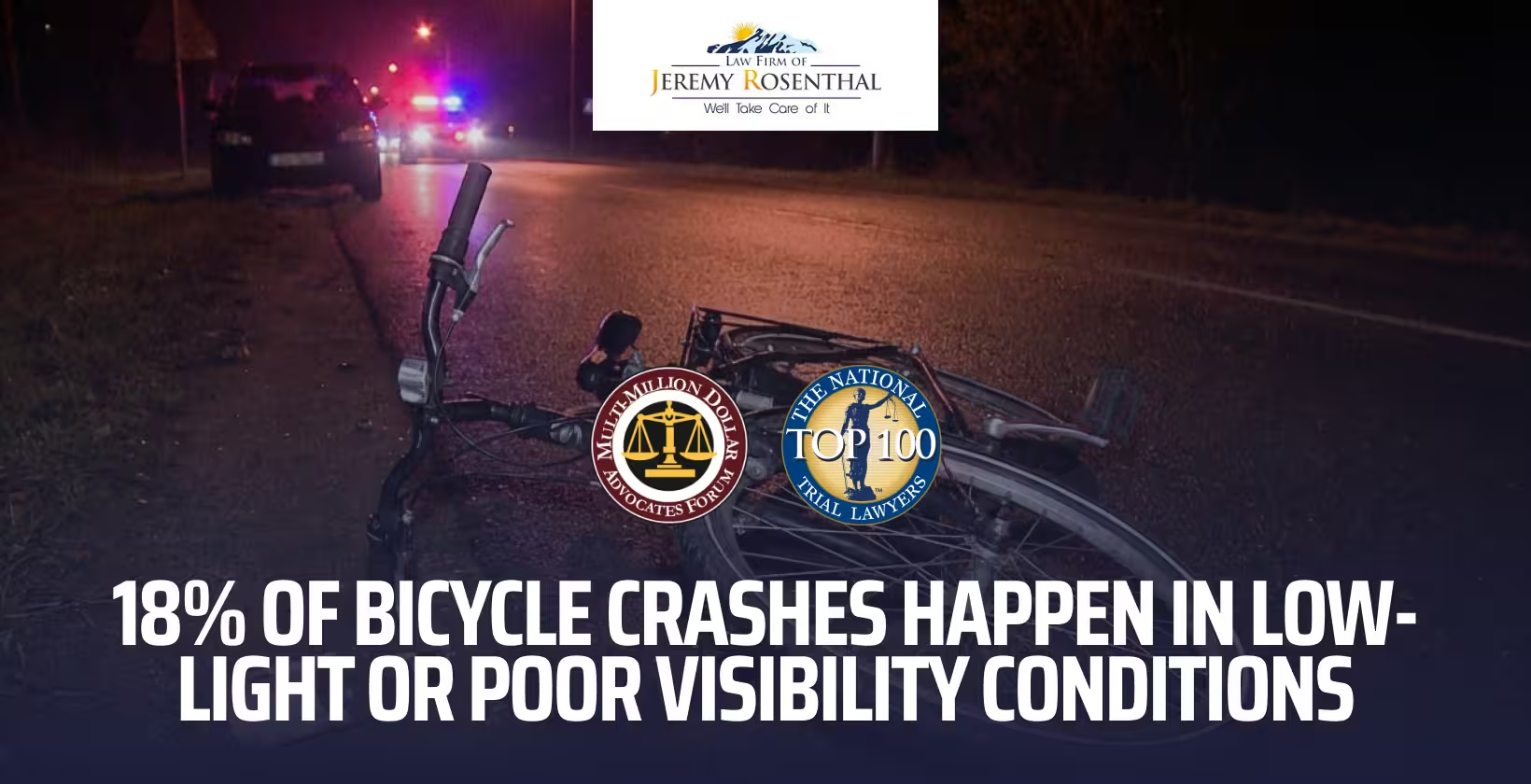
Poor visibility conditions compromise motorists’ ability to detect cyclists when weather phenomena, inadequate lighting, sun glare, or visual obstructions prevent drivers from observing bicycle traffic sharing Denver roadways during dawn, dusk, or nighttime hours. Colorado Department of Transportation collision data indicates that visibility-related factors contribute to 18% of bicycle crashes occurring during limited-light conditions, according to their 2021 safety analysis, and Colorado Revised Statutes § 42-4-221 requires bicycles operated during darkness to display front white lights visible from 500 feet and rear red reflectors or lights visible from 600 feet. Motorists remain liable when they fail to adjust driving behavior to account for reduced visibility conditions that reasonable drivers would recognize as requiring heightened caution around vulnerable road users. Evidence that can strengthen your case includes weather service reports documenting fog, rain, or atmospheric conditions, photographs showing inadequate street lighting at crash locations, time-of-day analysis establishing sun glare positions, roadway maintenance records indicating signage or lighting deficiencies, bicycle equipment inspection confirming proper lighting and reflectors, and traffic engineering studies assessing visibility constraints at the collision site.
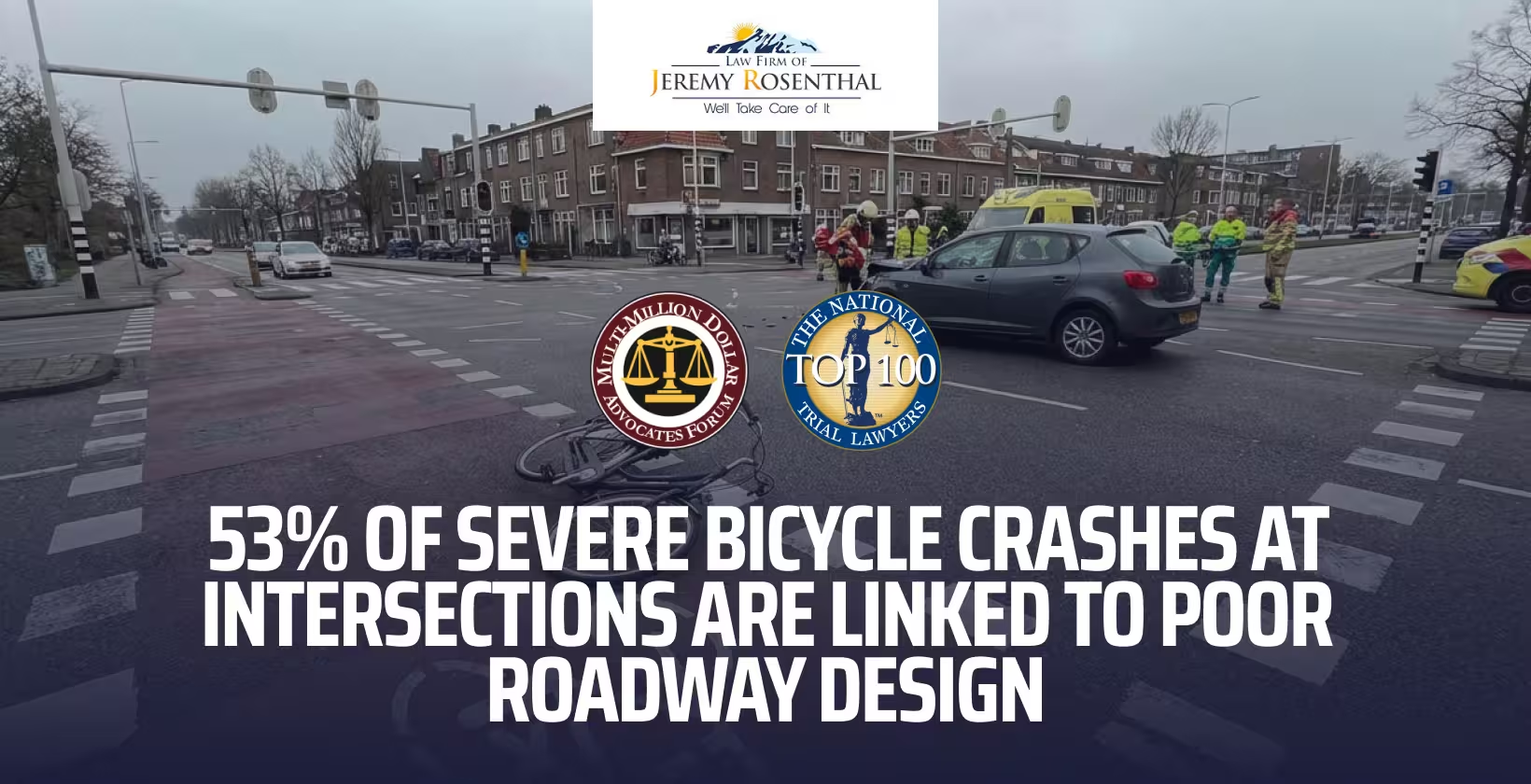
Inadequate bike lanes and unsafe road design create hazardous conditions when Denver infrastructure fails to provide sufficient separation between bicycle and vehicle traffic, lacks proper signage and markings, or forces cyclists into dangerous merge points without adequate sight distances. The Federal Highway Administration (FHWA) estimates that roadway design deficiencies contribute to approximately 53% of severe bicycle crashes at intersections according to their Bikeway Selection Guide published in 2019, and Colorado municipalities face liability under premises liability doctrine when they maintain roadways with known defects that foreseeably cause cyclist injuries. Governmental entities can be held accountable when inadequate infrastructure directly causes crashes, although Colorado Revised Statutes § 24-10-106 establishes sovereign immunity exceptions requiring specific notice procedures and damage caps. Evidence that can strengthen your case includes traffic engineering reports documenting design deficiencies, citizen complaint records showing prior notice to city authorities, bicycle facility design standard comparisons against AASHTO guidelines, photographic documentation of hazardous conditions, witness statements from regular route users describing dangers, and expert testimony from certified traffic engineers analyzing causation between design failures and collision occurrence.
Dooring accidents occur when occupants of parked vehicles open doors directly into the path of approaching cyclists without checking mirrors or blind spots, creating sudden and unavoidable obstacles that cause Denver riders to collide with door edges or swerve into traffic lanes. National Safety Council research indicates dooring incidents cause approximately 12% of urban bicycle crashes in cities with parallel parking adjacent to bike lanes according to their 2020 Bicycle Safety Fact Sheet, and Colorado Revised Statutes § 42-4-1207 prohibits opening vehicle doors on roadway sides unless reasonably safe to do so without interfering with moving traffic including bicycles. Vehicle occupants who cause dooring crashes face clear liability because opening doors without ensuring clearance constitutes negligence per se under Colorado traffic statutes. Evidence that can strengthen your case includes door strike damage photographs showing impact points on bicycle and vehicle, witness testimony confirming door opened into cyclist’s path, parking configuration analysis measuring distance between parked cars and bike lane, injury documentation consistent with door collision mechanisms, vehicle occupant statements acknowledging failure to check for cyclists, and bike lane width measurements establishing inadequate clearance zones.

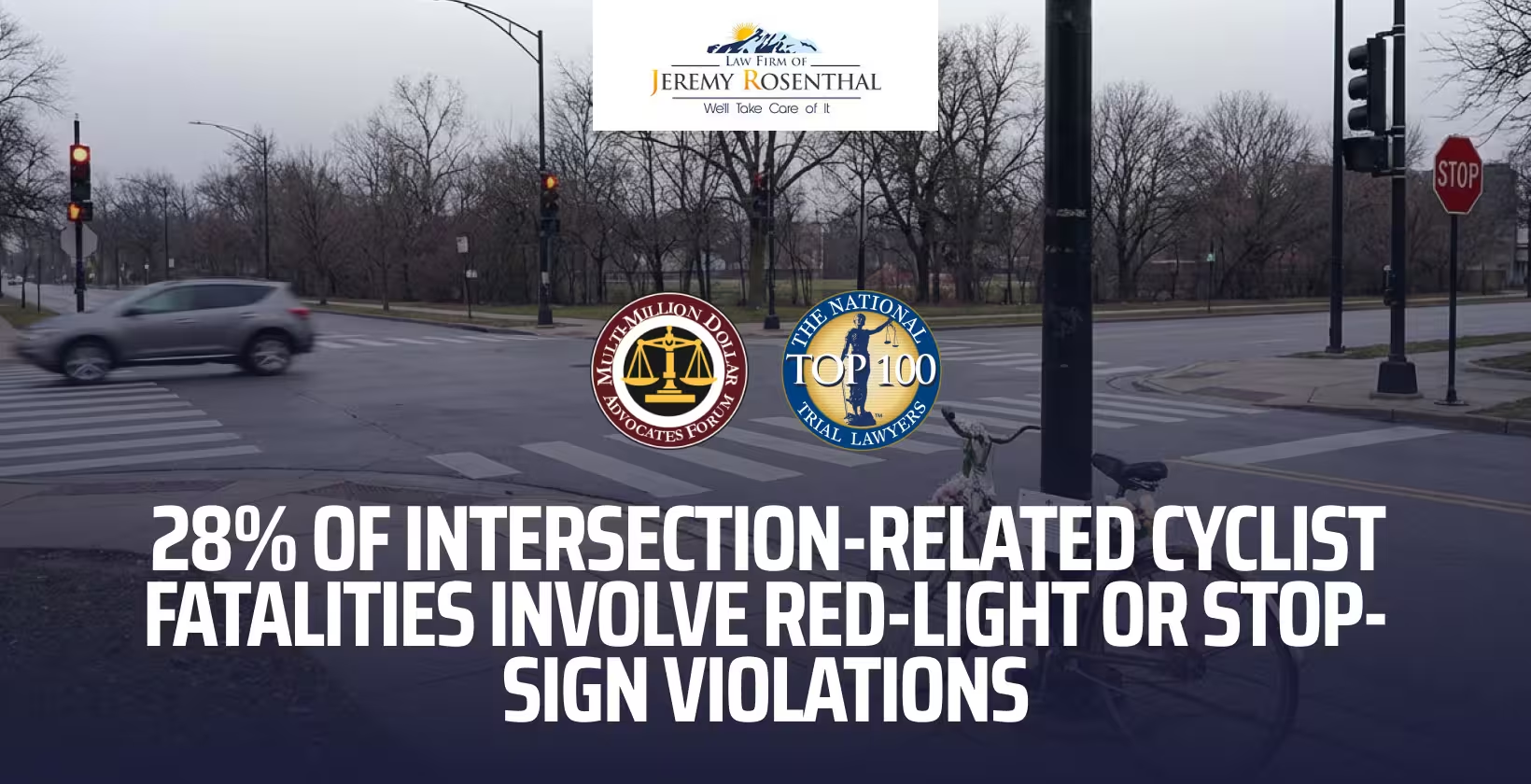
Motorists who ignore traffic control devices create deadly collision scenarios for cyclists traveling through Denver intersections, turning routine commutes into catastrophic crashes involving severe head trauma, spinal cord damage, and multiple fractures. Red light violations cause approximately 28 percent of intersection-related bicycle fatalities according to National Highway Traffic Safety Administration data, and Colorado Revised Statute § 42-4-604 requires all vehicles to stop at red lights and stop signs before entering intersections. Drivers who disregard these traffic controls breach their duty of care to cyclists who hold the legal right-of-way, establishing clear negligence when collisions result from signal violations. Evidence that can strengthen your case includes intersection camera footage, traffic signal timing records, eyewitness statements from nearby pedestrians, vehicle event data recorder information, and accident reconstruction analyses showing the driver’s failure to stop.
Drivers who make abrupt lateral movements without checking blind spots or signaling their intentions strike cyclists traveling in adjacent lanes or bike lanes, causing riders to collide with vehicle sides, fall into traffic paths, or crash into roadside obstacles while attempting evasive maneuvers. The Colorado Department of Transportation reports that improper lane changes contribute to 19 percent of urban bicycle crashes in Denver County, and Colorado Revised Statute § 42-4-1007 mandates that motorists signal lane changes and ensure movements can be made safely without interfering with cyclists’ travel. These violations establish negligence when drivers fail to maintain proper awareness of their surroundings before changing lanes, particularly when designated bike lanes run parallel to vehicle travel lanes throughout Denver’s downtown corridor and residential neighborhoods. Evidence that can strengthen your case includes dashcam video from the striking vehicle or nearby cars, bicycle-mounted camera recordings, testimony from following motorists, paint transfer analysis between the bicycle and vehicle, and medical documentation showing injury patterns consistent with side-impact collisions.

Cyclists who travel against the flow of traffic or ride on sidewalks create unexpected collision scenarios that drivers cannot anticipate, resulting in crashes at driveways, alley entrances, and intersections where motorists expect bicycle traffic to follow established traffic patterns. Research from the Federal Highway Administration indicates wrong-way cycling increases crash risk by 360 percent compared to riding with traffic flow, and Colorado Revised Statute § 42-4-1412 requires cyclists to ride in the same direction as vehicular traffic and prohibits sidewalk riding in Denver’s business districts. Wrong-way or sidewalk cycling often reduces the injured cyclist’s ability to recover damages because comparative negligence principles apply when both parties contribute to collision causes, though bicycle accident lawyers can still pursue compensation if driver behavior substantially caused the crash despite the cyclist’s traffic violations. Evidence that can strengthen your case includes police accident reports documenting travel directions, intersection surveillance footage, witness accounts from nearby pedestrians or business owners, photographs showing roadway configurations and signage, and traffic engineering testimony regarding standard cycling practices and driver expectation patterns.

Bicycle accident lawyers provide investigation services, liability determination, insurance negotiations, medical documentation, settlement advocacy, and trial representation to help injured Denver cyclists recover fair compensation after crashes caused by negligent drivers, hazardous road conditions, or defective bicycle equipment.
Attorneys conduct thorough investigations gathering crash scene photographs, witness contact information, police accident reports, traffic camera footage, and accident reconstruction analysis to establish how the collision occurred and which parties bear legal responsibility. Lawyers preserve physical evidence including damaged bicycle components, torn clothing, helmet damage patterns, and road surface conditions before this material deteriorates or disappears from the scene.
Lawyers examine Colorado traffic statutes, municipal bicycle ordinances, driver duty of care requirements, and negligent actions (distracted driving, failure to yield, dooring, unsafe passing) to establish legal responsibility and identify all liable parties including motorists, government entities responsible for road maintenance, and product manufacturers. Attorneys analyze traffic control devices, intersection design, bike lane markings, and right-of-way rules to build compelling fault arguments that withstand insurance company scrutiny and comparative negligence defenses.
Attorneys handle all communications with insurance adjusters, submit comprehensive demand packages containing medical records, wage loss documentation, and liability evidence, and prevent clients from providing recorded statements that insurance companies manipulate to reduce claim values. Lawyers manage multiple insurance policies including the at-fault driver’s liability coverage, underinsured motorist protection from the cyclist’s own policy, and umbrella policies that provide additional compensation sources.
Lawyers work directly with treating physicians, orthopedic surgeons, neurologists, and physical therapists to obtain complete medical records documenting injuries such as traumatic brain injuries, spinal cord damage, fractured bones, road rash, and soft tissue trauma requiring ongoing care. Attorneys arrange independent medical examinations with qualified specialists who evaluate permanent impairment, calculate future treatment costs including surgery revisions and assistive devices, and provide expert testimony supporting compensation demands.
Attorneys prepare detailed settlement demands presenting medical evidence, economic loss calculations, liability documentation, and legal arguments that justify full compensation for emergency treatment, ongoing rehabilitation, lost income during recovery, diminished earning capacity, and physical pain endured throughout the healing process. Lawyers counter insurance company lowball offers by highlighting crash severity, permanent injury impacts, and comparable case verdicts that demonstrate appropriate compensation ranges under Colorado personal injury law.
Lawyers file civil complaints in Denver District Court, conduct discovery proceedings including depositions of defendant drivers and fact witnesses, submit interrogatories requesting written answers under oath, and retain accident reconstruction specialists, biomechanical engineers, and economic damages experts who provide trial testimony. Attorneys present cases before juries when settlement negotiations fail to produce fair offers, using demonstrative evidence including crash scene diagrams, medical imaging, and day-in-the-life videos that illustrate injury impacts on clients’ daily activities and future capabilities.
Attorneys calculate past medical expenses including emergency transport, hospital admission, surgical procedures, diagnostic testing, prescription medications, and rehabilitation therapy along with future medical costs for anticipated treatments, home modifications, and assistive equipment required throughout clients’ lifetimes. Lawyers quantify lost earning capacity by analyzing clients’ work histories, educational backgrounds, career trajectories, and injury-related limitations that prevent return to previous employment, then calculate property damage to bicycles and personal items destroyed in crashes.
Lawyers negotiate substantial reductions on medical liens asserted by health insurance carriers seeking reimbursement from injury settlements, resolve hospital liens filed under Colorado statutory provisions, and address Medicare or Medicaid recovery claims that threaten clients’ net recovery amounts. Attorneys structure settlements to maximize client recovery after lien payoffs by demonstrating reduced settlement values, arguing proportionate share reductions based on attorney fees and costs, and obtaining lien waivers that eliminate future repayment obligations.
Attorneys ensure all legal filings meet Colorado’s statute of limitations requiring personal injury lawsuits to be filed within three years from bicycle accident dates, protect clients’ rights to pursue compensation by timely serving defendants and filing court documents, and prevent case dismissals that occur when procedural deadlines expire without proper legal action. Lawyers monitor tolling provisions that extend filing deadlines when injured cyclists remain unaware of their injuries or when defendants leave Colorado jurisdiction temporarily.
Lawyers counter insurance company arguments claiming injured cyclists share fault by failing to use bike lanes, riding at night without lights, or violating traffic laws through presentation of evidence demonstrating full driver negligence including distracted driving records, traffic violation histories, and failure to maintain proper lookout. Attorneys minimize or eliminate client liability percentages under Colorado’s modified comparative negligence law allowing recovery when cyclists bear less than 50 percent fault, preserving full compensation amounts by proving defendant drivers caused crashes through inattention, aggressive driving, or failure to yield right-of-way at intersections and crosswalks.
Tort law provides the foundation for bicycle accident cases by establishing when negligent drivers owe compensation to injured cyclists through civil liability claims. Cyclists pursue compensation through negligence-based tort claims when motorists breach their duty of care by violating traffic laws, failing to yield right-of-way, or operating vehicles recklessly in ways that cause crashes and injuries. Colorado tort law requires plaintiffs to prove four elements: the driver owed a duty of care, the driver breached that duty through negligent actions, the breach directly caused the collision, and the cyclist suffered measurable damages from the incident. Tort remedies allow cyclists to recover economic damages (medical expenses totaling $47,000 average per serious bicycle injury, according to Centers for Disease Control data) and non-economic damages (pain, suffering, permanent disability) that restore victims financially after crashes strip away their health and earning capacity.
Multiple state statutes and municipal ordinances create legal protections that hold drivers accountable when their negligence causes bicycle crashes.
1. Colorado Revised Statutes § 42-4-1412: Requires motorists to maintain at least three feet of clearance when passing cyclists, establishing minimum safe passing distances that reduce sideswipe collision risks.
2. Denver Municipal Code § 54-234: Prohibits drivers from opening vehicle doors into traffic lanes without checking for approaching cyclists, addressing “dooring” accidents that cause serious injuries.
3. Colorado Revised Statutes § 42-4-1402: Grants cyclists full rights to roadway use with the same legal protections as motor vehicle operators, preventing discrimination against two-wheeled road users.
4. Colorado Revised Statutes § 42-4-1003: Mandates drivers yield right-of-way to cyclists in crosswalks and designated bike lanes, establishing clear priority rules at intersections.
5. Denver Municipal Code § 54-240: Creates protected bike lanes with physical barriers separating cyclists from vehicle traffic in high-density corridors throughout downtown Denver.
6. Colorado Revised Statutes § 42-4-1301: Establishes penalties for careless driving that endangers cyclists, including fines up to $1,000 and license suspension for violations causing injury.
Bicycle accident victims possess comprehensive legal rights under Colorado law that enable recovery of damages and hold negligent parties accountable.
1. Right to Compensation: Victims can pursue damages covering medical expenses, lost wages, rehabilitation costs, and pain suffered when driver negligence causes crashes and injuries.
2. Right to Legal Representation: Injured cyclists retain attorneys who investigate crashes, gather evidence, and negotiate with insurance companies to maximize settlement amounts.
3. Right to File Civil Claims: Colorado law allows victims to file personal injury lawsuits against negligent drivers within the three-year deadline under C.R.S. § 13-80-10.
4. Right to Reject Settlement Offers: Cyclists can refuse inadequate insurance settlements and proceed to trial when offers fail to cover full damages including future medical needs.
5. Right to Claim Property Damage: Victims recover costs for damaged bicycles, safety equipment, clothing, and personal belongings destroyed in collisions.
6. Right to Hold Multiple Parties Liable: Colorado law permits claims against drivers, employers (if crashes involve commercial vehicles), and municipalities when road defects contribute to accidents.
7. Right to Uninsured Motorist Coverage: Cyclists access their own insurance policies for compensation when at-fault drivers lack adequate liability coverage or flee accident scenes
State statutes and local ordinances establish operating requirements that govern cyclist behavior and define when violations affect liability determinations.
1. Colorado Traffic Code Compliance: Colorado Revised Statutes § 42-4-1412 requires cyclists to obey all traffic signals, stop signs, and lane markings with the same obligations as motor vehicle operators.
2. Lighting and Visibility Requirements: Colorado Revised Statutes § 42-4-221 mandates white front lights visible from 500 feet and red rear reflectors during nighttime riding between sunset and sunrise.
3. Helmet Laws: Denver Municipal Code does not require adult cyclists to wear helmets, though riders under 18 must wear protective headgear according to safety ordinances.
4. Sidewalk Riding Restrictions: Denver Municipal Code § 54-573 prohibits cyclists from riding on downtown sidewalks in the Central Business District unless pushing bikes as pedestrians.
5. Bike Lane Usage: Colorado law requires cyclists to use designated bike lanes when available unless preparing for turns, avoiding hazards, or passing slower cyclists.
6. Hand Signal Requirements: Colorado Revised Statutes § 42-4-1412 requires cyclists to signal turns and stops using established hand gestures to communicate intentions to nearby motorists.
Liability in law determination in bicycle accident cases requires establishing which party breached their duty of care through evidence showing traffic violations, unsafe maneuvers, or failure to follow road rules. Attorneys analyze police reports documenting officer assessments of fault, witness statements describing driver behavior before impact, traffic camera footage capturing collision sequences, and physical evidence (skid marks, vehicle damage patterns, cyclist injuries) that reconstruct how crashes occurred. Colorado applies modified comparative negligence under Colorado Revised Statutes § 13-21-111, reducing victim compensation by their percentage of fault when cyclists share responsibility through actions like running red lights or riding without proper lighting, though victims recover nothing if their fault exceeds 49 percent. Insurance companies dispute liability aggressively by claiming cyclists violated traffic laws, failed to wear visible clothing, or contributed to crashes through reckless riding, making evidence preservation critical during the first 48 hours after accidents when witnesses remain available and physical evidence stays undisturbed at crash scenes.
Colorado’s modified comparative negligence system reduces compensation proportionally when both parties contributed to accidents through simultaneous violations or unsafe actions. Courts assign fault percentages after evaluating each party’s conduct: a cyclist running a stop sign while a driver texts at the wheel might receive 30 percent fault (reducing a $100,000 claim to $70,000) while the distracted driver bears 70 percent responsibility for the collision. Victims lose all compensation rights when their negligence exceeds 49 percent according to Colorado Revised Statutes § 13-21-111, creating critical thresholds where slight shifts in fault percentages determine whether injured cyclists receive any damages. Insurance adjusters exploit comparative fault rules by exaggerating cyclist contributions to crashes, claiming victims rode too fast, failed to signal turns, or wore dark clothing that reduced visibility, making early legal representation essential to counter these liability-shifting tactics before formal fault determinations become fixed in insurance records and court filings.
Colorado’s modified comparative negligence system reduces compensation proportionally when both parties contributed to accidents through simultaneous violations or unsafe actions. Courts assign fault percentages after evaluating each party’s conduct: a cyclist running a stop sign while a driver texts at the wheel might receive 30 percent fault (reducing a $100,000 claim to $70,000) while the distracted driver bears 70 percent responsibility for the collision. Victims lose all compensation rights when their negligence exceeds 49 percent according to Colorado Revised Statutes § 13-21-111, creating critical thresholds where slight shifts in fault percentages determine whether injured cyclists receive any damages. Insurance adjusters exploit comparative fault rules by exaggerating cyclist contributions to crashes, claiming victims rode too fast, failed to signal turns, or wore dark clothing that reduced visibility, making early legal representation essential to counter these liability-shifting tactics before formal fault determinations become fixed in insurance records and court filings.
Rideshare and delivery drivers can be held liable for bicycle accidents when their negligent operation causes collisions with cyclists on Denver streets. Liability determination depends on whether the driver was actively working at collision time, creating different insurance coverage scenarios based on app status and passenger presence. Uber and Exxon drivers carry $1 million commercial liability policies during active trips, while waiting periods between fares trigger lower coverage amounts creating potential gaps in victim compensation. Delivery service drivers working for DoorDash, Grubhub, or Amazon Flex face similar coverage structures where company policies apply during active delivery assignments but personal auto insurance governs between deliveries. Attorneys establish liability by obtaining driver phone records, app data showing active status, and GPS location information proving the driver was engaged in commercial activity when the crash occurred. Colorado law treats commercial drivers to higher duty-of-care standards than private motorists, requiring proof that distraction from navigation apps, rushed delivery schedules, or unfamiliar route conditions contributed to unsafe operation causing the collision.
Vicarious liability applies in bicycle accident lawsuits when employers, vehicle owners, or companies bear legal responsibility for someone else’s negligent actions during authorized activities. Colorado courts recognize respondeat superior doctrine holding employers liable for employee actions performed within employment scope, making delivery companies answerable for driver negligence occurring during scheduled work shifts or authorized routes. Bicycle accident victims benefit from vicarious liability because corporate defendants typically carry larger insurance policies than individual drivers, increasing available compensation for catastrophic injuries requiring long-term medical care and lost earning capacity. Attorneys prove vicarious liability by documenting employment relationships, showing the negligent party was performing job duties when the collision occurred, and demonstrating the employer maintained control over work methods, schedules, or vehicle operation. The doctrine extends to vehicle owners who loan cars to negligent drivers, parents whose minor children cause accidents, and rideshare companies despite independent contractor classifications when operational control factors suggest employment relationships under Colorado wage law standards.
Multiple parties can be sued simultaneously in bicycle accident cases when evidence establishes that several defendants contributed to collision causation or resulting injuries through separate negligent acts. Colorado’s comparative negligence framework allows victims to recover damages from all responsible parties proportionate to each defendant’s fault percentage, making multi-party litigation advantageous when individual defendants carry insufficient insurance to cover total damages. Common multi-defendant scenarios include drivers who strike cyclists while avoiding road hazards created by negligent municipal maintenance, bicycle manufacturers whose defective components contributed to loss of control before impact, and property owners whose overgrown vegetation obscured driver sightlines at intersection approaches. Attorneys file consolidated lawsuits naming all potentially liable parties rather than pursuing separate actions because unified proceedings prevent conflicting judgments, allow comprehensive discovery across all defendants, and maximize settlement leverage when multiple insurance carriers face joint exposure. Joint and several liability rules permit victims to collect full judgments from any defendant regardless of individual fault percentages if other parties cannot pay their portions, protecting recovery when some defendants lack adequate resources or insurance coverage.
Bicycle manufacturers face liability for defective bikes when design flaws, manufacturing errors, or inadequate warnings cause accidents resulting in rider injuries on roads and trails. Product liability claims proceed under strict liability principles requiring proof that defects existed when products left manufacturer control, that defects made bicycles unreasonably dangerous for intended use, and that defects directly caused the accident and resulting injuries. Common defect categories include brake system failures preventing adequate stopping power, fork or frame fractures causing sudden loss of control, defective quick-release mechanisms allowing wheel detachment during rides, and inadequate warning labels failing to inform consumers about proper assembly, weight limits, or terrain restrictions. Attorneys retain engineering experts who examine failed components, review manufacturer design specifications and quality control records, and identify industry standard violations showing the company deviated from accepted safety practices when producing or testing the bicycle model. Colorado follows strict liability standards, eliminating the need to prove manufacturer negligence, focusing instead on whether the product contained defects, making it unreasonably dangerous, regardless of how carefully the company manufactured or inspected individual units before distribution.
Attorneys conduct systematic investigations to establish fault through evidence collection, witness interviews, and accident reconstruction before filing bicycle injury claims.
1. Scene Documentation Review: Attorneys obtain police reports, photographs, and video footage capturing road conditions, traffic signals, vehicle positions, and debris patterns establishing collision dynamics and initial fault indicators.
2. Witness Statement Collection: Legal teams interview bystanders, nearby residents, and other road users who observed the crash, documenting independent accounts that corroborate victim testimony and refute driver defenses.
3. Traffic Law Analysis: Attorneys review Colorado revised statutes and Denver municipal codes identifying violations committed by motorists, including failure to yield in crosswalks, unsafe passing distances, and right-of-way infractions at intersections.
4. Physical Evidence Preservation: Legal professionals secure damaged bicycles, torn clothing, helmet fragments, and electronic device data before insurance companies or opposing parties can destroy or alter critical proof.
5. Expert Consultation: Attorneys engage accident reconstructionists who analyze skid marks, impact angles, and vehicle damage patterns to determine speeds, positions, and sequence of events leading to collision.
6. Driver Background Investigation: Legal teams obtain motor vehicle records revealing previous traffic violations, license suspensions, or collision history establishing patterns of negligent operation supporting liability claims.
7. Insurance Coverage Verification: Attorneys identify all applicable policies including driver auto insurance, commercial coverage, and underinsured motorist protection determining available compensation sources before settlement negotiations begin.
Typical bicycle accident lawsuits require 12 to 24 months from initial filing through final resolution, depending on case complexity, injury severity, and defendant cooperation during settlement negotiations. Simple cases involving clear liability and documented injuries often settle within six to nine months after attorneys complete medical treatment records, calculate economic damages, and submit comprehensive demand packages to insurance carriers. Complex litigation involving disputed fault, catastrophic injuries requiring future care projections, or multiple defendants extends timelines to 18 months or longer as attorneys conduct extensive discovery, retain expert witnesses, and navigate pretrial motion practice before Denver District Court judges. Colorado’s mandatory mediation requirements add three to six months to litigation schedules as parties engage neutral mediators attempting settlement before trial dates, though successful mediation prevents the additional six to 12 months required for jury selection, trial proceedings, and post-trial motions. Attorneys expedite cases by promptly filing complaints within statute of limitations periods, responding quickly to discovery requests, and maintaining pressure on insurance companies through aggressive litigation tactics that demonstrate trial readiness and willingness to present cases before juries.
Bicycle accident lawyers reconstruct collision scenes in Denver through systematic evidence gathering, scientific analysis, and expert collaboration that establishes precise accident mechanics and fault determination. Attorneys visit crash locations within days of incidents, photographing roadway configurations, measuring lane widths and intersection dimensions, documenting traffic control devices, and identifying sight-line obstructions that contributed to collision causation. Legal teams obtain official documents including police reports, 911 recordings, and traffic camera footage while securing witness statements that describe vehicle movements, cyclist positions, and environmental conditions at collision time. Reconstruction experts analyze physical evidence patterns such as tire marks, bicycle component damage, vehicle impact locations, and debris scatter fields to calculate approach speeds, impact angles, and post-collision trajectories using physics principles and engineering software. Attorneys commission computer simulations and scale diagrams that visually demonstrate accident sequences for insurance adjusters, mediators, and potential jurors, translating technical findings into comprehensible presentations that support liability theories. The reconstruction process incorporates weather data from National Weather Service records, sunrise and sunset times affecting visibility, and traffic volume statistics from Colorado Department of Transportation databases establishing whether unusual conditions contributed to driver negligence or cyclist vulnerability.
Bicycle accident attorneys build strong cases using multiple evidence categories that demonstrate liability, injury severity, and financial damages.
1. Police Accident Reports: Law enforcement documents record crash scene details, witness statements, weather conditions, traffic violations, and preliminary fault determinations that establish the official collision narrative and identify potential liable parties.
2. Medical Records and Treatment Documentation: Hospital admission records, emergency room reports, diagnostic imaging results, surgical notes, physical therapy logs, and prescription histories connect injuries directly to the collision while quantifying treatment costs and documenting recovery timelines.
3. Photographic and Video Evidence: Scene photographs capture vehicle positions, skid marks, road hazards, traffic control devices, and property damage while injury photographs document visible trauma, bruising patterns, surgical scars, and physical limitations throughout the recovery process.
4. Witness Testimony: Third-party accounts from bystanders, other motorists, pedestrians, or nearby business employees corroborate crash circumstances, driver behavior immediately before impact, and post-collision conduct that strengthens liability claims.
5. Physical Evidence: Damaged bicycle components, torn clothing, broken helmets, and vehicle debris demonstrate impact force and collision dynamics while paint transfer analysis and mechanical inspections reveal vehicle defects or maintenance failures contributing to the crash.
6. Digital and Electronic Data: Traffic camera footage, surveillance recordings, GPS tracking data, cell phone records, and vehicle event data recorders provide objective proof of speed, location, and driver distraction at the time of collision.
Attorneys obtain GoPro or helmet camera footage through immediate preservation requests, formal discovery procedures, and direct client cooperation depending on who controls the recording device. Lawyers send preservation letters to defendants, witnesses, or third parties who may possess video evidence within days of the collision, preventing intentional or accidental deletion of critical footage. Your legal team requests that you immediately stop using the camera, remove the memory card, and store it in a safe location to prevent data corruption or overwriting that could destroy collision evidence. Attorneys also subpoena video from nearby businesses, traffic cameras, and other cyclists who may have recorded the crash scene or surrounding circumstances. The footage captures real-time road conditions, driver behavior, vehicle positioning, traffic signal status, and impact dynamics that written reports cannot adequately convey to insurance adjusters or jurors during settlement negotiations or trial proceedings.
Lawyers establish GoPro footage authenticity through chain of custody documentation, metadata verification, and witness testimony confirming the recording’s accuracy and integrity. Attorneys document the camera’s make, model, serial number, memory card specifications, and recording settings while preserving original digital files without editing or compression that could raise authenticity challenges. Technical experts analyze metadata timestamps, GPS coordinates, and file properties to confirm the footage matches the accident date, time, and location while detecting any alterations or manipulations. Cyclists or bystanders who witnessed the recording process testify that the footage accurately depicts the collision scene and events as they occurred without distortion or misrepresentation, satisfying evidentiary authentication requirements under Colorado Rules of Evidence.
GPS data from fitness applications like Strava, MapMyRide, or Garmin Connect strengthens bicycle accident claims by providing objective evidence of speed, route, location, and timing that contradicts false driver allegations. Attorneys download activity files showing your exact position at collision impact, average cycling speed in the minutes before the crash, elevation changes, and route history demonstrating your lawful road use and predictable travel pattern. The data refutes driver claims that you suddenly swerved into traffic, exceeded safe speeds, or appeared unexpectedly in the roadway when timestamps and location coordinates prove otherwise. Fitness app records also document your regular cycling routes, experience level, and safety-conscious riding habits that establish credibility during settlement negotiations or trial testimony when drivers attempt to shift blame through unsubstantiated accusations about reckless cyclist behavior.
Smartwatch and fitness tracker data provides compelling medical evidence documenting heart rate spikes during collision impact, activity level declines during recovery, and sleep disruption caused by pain or trauma-related stress. Attorneys obtain Fitbit, Apple Watch, or Garmin health data showing your pre-accident baseline fitness metrics compared to post-collision measurements that demonstrate physical limitations, reduced mobility, and diminished quality of life resulting from defendant negligence. The devices record steps taken daily, stairs climbed, exercise minutes completed, and resting heart rates that quantify how injuries disrupted your normal routines, recreational activities, and physical capabilities months after the crash occurred. Wearable technology data also contradicts insurance company surveillance suggesting you exaggerate injury severity when objective biometric measurements prove your physical limitations, pain levels, and recovery struggles align with medical testimony about ongoing treatment needs and permanent impairments.
Surveillance footage from multiple sources provides objective visual evidence of collision circumstances, driver conduct, and crash scene conditions that support liability claims.
1. Traffic Camera Recordings: Municipal traffic management cameras positioned at intersections capture red light violations, illegal turns, speed violations, and right-of-way failures leading to bicycle collisions throughout Denver’s arterial roads and downtown corridors.
2. Business Security Systems: Retail stores, restaurants, gas stations, banks, and office buildings install exterior cameras monitoring parking lots, sidewalks, and adjacent roadways that record crashes occurring near their properties during business hours or overnight.
3. Residential Doorbell Cameras: Ring, Nest, and similar smart doorbell systems capture street-level activity including vehicle speeds, driver distractions, and collision impacts occurring in residential neighborhoods where traditional surveillance coverage remains limited.
4. Transit Vehicle Cameras: RTD buses, light rail trains, and commercial trucks operate dashboard cameras and exterior monitoring systems that record traffic interactions, near-miss incidents, and actual collisions involving cyclists sharing roadways with large vehicles.
5. Body-Worn Police Cameras: Denver Police Department officers responding to crash scenes activate body cameras documenting post-collision evidence, witness statements, driver admissions, and visible injuries before vehicles get moved or debris gets cleared from roadways.
Expert witness testimony proves complex technical, medical, and economic issues that jurors cannot understand without specialized knowledge, making the difference between adequate settlements and full compensation awards. Accident reconstruction experts analyze physical evidence, skid marks, vehicle damage, and collision dynamics to establish driver speed, sight distances, and avoidance opportunities that demonstrate negligence when defendants dispute liability or claim unavoidable circumstances. Medical experts explain injury mechanisms, treatment necessity, permanent impairments, and future care needs that justify substantial damage awards when insurance companies minimize injury severity or argue pre-existing conditions caused your symptoms. Economic experts calculate lifetime earning capacity losses, vocational limitations, and career trajectory disruptions when catastrophic injuries prevent returning to previous employment or require job modifications accommodating permanent physical restrictions, establishing concrete financial damages beyond immediate medical bills and lost wages.
Eyewitness statements provide independent verification of crash circumstances, driver behavior, and collision dynamics that strengthen liability claims in bicycle accident litigation. Attorneys use witness accounts to corroborate cyclist versions of events when drivers dispute fault or claim the cyclist violated traffic laws. A witness who observes a vehicle failing to yield at an intersection or a driver texting before striking a cyclist offers credible testimony that contradicts driver defenses. Colorado courts recognize eyewitness testimony as persuasive evidence during settlement negotiations and trial proceedings, particularly when physical evidence leaves ambiguous interpretations. Witnesses provide details about vehicle speed, signal usage, lane positioning, and immediate post-crash statements that establish negligence patterns. Attorneys document witness contact information at accident scenes, conduct recorded interviews within 48 hours while memories remain fresh, and prepare witnesses for depositions or trial testimony to maximize credibility before juries.
Eyewitness statements provide independent verification of crash circumstances, driver behavior, and collision dynamics that strengthen liability claims in bicycle accident litigation. Attorneys use witness accounts to corroborate cyclist versions of events when drivers dispute fault or claim the cyclist violated traffic laws. A witness who observes a vehicle failing to yield at an intersection or a driver texting before striking a cyclist offers credible testimony that contradicts driver defenses. Colorado courts recognize eyewitness testimony as persuasive evidence during settlement negotiations and trial proceedings, particularly when physical evidence leaves ambiguous interpretations. Witnesses provide details about vehicle speed, signal usage, lane positioning, and immediate post-crash statements that establish negligence patterns. Attorneys document witness contact information at accident scenes, conduct recorded interviews within 48 hours while memories remain fresh, and prepare witnesses for depositions or trial testimony to maximize credibility before juries.
Attorneys resolve conflicting eyewitness testimonies by cross-referencing witness accounts with physical evidence, crash reconstruction analysis, and surveillance footage to identify the most credible version of events. Legal teams evaluate witness positioning during the collision, visibility conditions, potential biases, and consistency with other evidence sources to determine which testimonies carry greater weight. Attorneys use accident reconstruction experts who apply physics principles to skid marks, vehicle damage patterns, and debris fields to verify which witness accounts align with scientific analysis. Conflicting testimonies become less problematic when physical evidence clearly demonstrates fault regardless of varying witness perspectives.
Cell phone data establishes distracted driving patterns by documenting texting, calling, app usage, and screen activity during the moments surrounding a bicycle collision. Attorneys subpoena phone records through discovery requests that reveal timestamp data showing exactly when drivers sent messages, made calls, or accessed social media applications before striking cyclists. Colorado law prohibits texting while driving under C.R.S. 42-4-239, making phone records particularly valuable when proving statutory violations that establish negligence per se. Cell tower data pinpoints driver location and movement patterns that corroborate or contradict driver statements about their route and behavior. Metadata from photographs, GPS applications, and messaging platforms provides objective evidence that drivers engaged with electronic devices rather than maintaining proper attention to roadway conditions where cyclists travel.
Poor road maintenance creates shared liability scenarios when municipal negligence combines with driver negligence to cause bicycle accidents, allowing injured cyclists to pursue compensation from multiple responsible parties. Colorado governmental entities owe a duty to maintain reasonably safe roadway conditions under C.R.S. 24-10-103, making cities liable when potholes, cracked pavement, missing signage, or inadequate lane markings contribute to collisions. Cyclists injured when drivers swerve to avoid road hazards can establish that both municipal maintenance failures and driver negligence caused their injuries, potentially recovering damages from both sources. Attorneys prove municipal liability by documenting prior complaints about road conditions, demonstrating the city received notice of dangerous conditions but failed to implement timely repairs, and establishing causation between the defect and the collision. Shared liability increases total compensation available to injured cyclists because multiple insurance policies and governmental budgets become accessible for recovery purposes.
Contingency fee agreements allow injured cyclists in Denver to hire bicycle crash attorneys without upfront costs, with legal fees paid only when compensation gets recovered through settlement or trial verdict. Attorneys receive a predetermined percentage of the final recovery amount, typically ranging from 33% to 40%, depending on case complexity and whether a trial becomes necessary, as specified in written fee agreements that clients review and sign before representation begins. This payment structure eliminates financial barriers that prevent accident victims from accessing quality legal representation during recovery periods when medical bills accumulate and lost income creates economic hardship. Clients pay no attorney fees if the case produces no recovery, meaning lawyers absorb the financial risk of unsuccessful claims and only profit when clients receive compensation.
Attorneys review medical records to establish injury causation, document treatment necessity, calculate economic damages, and prove the collision directly caused the physical harm requiring compensation. Legal teams obtain complete medical files from emergency departments, hospitals, rehabilitation facilities, and treating physicians to create chronological injury timelines that connect crash trauma to diagnosed conditions. Attorneys analyze diagnostic imaging reports, surgical notes, physician assessments, and therapy progress documentation to demonstrate injury severity and ongoing treatment requirements that justify compensation demands. Medical records quantify economic damages by documenting bills for ambulance transport, emergency treatment, surgical procedures, prescription medications, physical therapy sessions, and projected future care needs. Attorneys use medical documentation to counter insurance company arguments that injuries resulted from pre-existing conditions or unrelated incidents by highlighting physician statements explicitly linking injuries to the bicycle collision.
Police reports provide official documentation of crash circumstances, officer observations, driver statements, and preliminary fault determinations that attorneys use to establish liability and negotiate with insurance adjusters. Denver Police Department officers record accident scene details including vehicle positions, skid mark measurements, road conditions, traffic control devices, and witness information that become critical evidence when reconstructing collision events. Attorneys rely on officer-issued citations for traffic violations such as failure to yield, unsafe lane changes, or following too closely as evidence of negligence that caused the bicycle accident. Reports contain driver statements made immediately after collisions, often including admissions of fault or distraction that drivers later attempt to recant during litigation. Insurance companies heavily weigh police reports when evaluating claims, making these documents valuable negotiation tools that support settlement demands before costly litigation becomes necessary.
Traffic violation codes in bicycle accidents establish liability by documenting the specific laws motorists or cyclists violated at collision scenes.
Compensation in bicycle accident claims covers economic losses, physical injuries, and non-economic damages stemming from collision impacts.
Victims recover future medical expenses after bicycle accidents when injuries require ongoing treatment, rehabilitation, or surgical procedures beyond initial emergency care. Attorneys establish future medical claims through physician testimony, life care planning reports, and expert medical opinions documenting anticipated treatment needs, medication costs, physical therapy requirements, and assistive device expenses extending months or years beyond settlement dates. Colorado courts allow compensation for future medical costs if the claimant proves reasonable necessity through medical evidence showing more-probable-than-not treatment requirements, distinguishing speculative possibilities from documented medical prognoses based on injury severity and recovery trajectories. Denver juries awarded future medical damages totaling $47.3 million across bicycle injury cases in 2023 according to Colorado Judicial Department statistics, reflecting recognition that traumatic brain injuries, spinal damage, and orthopedic trauma demand extended care periods.
Psychological trauma following bicycle accidents produces compensable damages when collision experiences create lasting mental health conditions disrupting daily functioning.
Pain and suffering compensation in bicycle accident cases addresses physical discomfort and emotional distress victims endure from collision injuries.
Attorneys calculate damages in bicycle accident cases by totaling economic losses, then applying multiplier methods to determine non-economic compensation based on injury severity and recovery duration. Economic damages receive precise calculation through medical bill summaries, wage loss documentation, property damage estimates, and future care cost projections provided by medical experts, vocational rehabilitation specialists, and life care planners who quantify ongoing treatment needs. Non-economic damages use multiplier approaches assigning values between 1.5 and 5 times economic losses depending on injury permanence, pain intensity, disability levels, and life impact severity, with catastrophic injuries involving brain damage or paralysis warranting higher multipliers. Per diem methods calculate daily pain and suffering rates multiplied by recovery days, though Denver courts prefer multiplier approaches providing consistency across similar injury types and settlement negotiations.
The legal framework governing bicycle accidents combines state traffic statutes, municipal ordinances, and tort liability principles establishing cyclist rights and motorist responsibilities. Colorado Revised Statutes Title 42 defines bicycles as vehicles with full road access rights, requiring motorists to exercise reasonable care when sharing roadways with cyclists, yielding appropriately at intersections, maintaining safe passing distances, and avoiding negligent behaviors creating collision risks. Denver Municipal Code Chapter 54 supplements state law with city-specific bicycle regulations addressing bike lane usage, sidewalk riding restrictions in business districts, and equipment requirements, including lights and reflectors for nighttime operation, while establishing enforcement mechanisms through traffic citations and civil liability for violations causing injuries. Negligence law applies tort principles requiring injured cyclists to prove the motorist’s duty, breach, causation, and damages through evidence demonstrating that the driver’s conduct fell below reasonable care standards expected under traffic conditions, with comparative negligence rules reducing compensation proportionally if cyclists contributed to accidents through their own violations or unsafe riding practices.
The statute of limitations for filing a bicycle accident lawsuit operates under Colorado Revised Statute § 13-80-101, which establishes a two-year deadline from the accident date for personal injury claims and a three-year deadline for property damage claims. Missing this deadline results in permanent loss of legal rights to pursue compensation, regardless of injury severity or financial damages incurred. The two-year clock begins ticking on the collision date, not when injuries manifest or worsen over time, creating urgency for accident victims who delay seeking legal guidance. Certain exceptions exist that extend or pause the deadline, including cases involving minors (the clock starts when the victim turns 18), defendants who leave Colorado to avoid legal service, or fraud that conceals the basis for a claim. Denver County courts strictly enforce these deadlines, dismissing cases filed even one day late without consideration of case merits.
The comparative fault doctrine under Colorado Revised Statute § 13-21-111 reduces compensation proportionally when accident victims share partial responsibility for their injuries through actions like running red lights, riding without proper illumination, or failing to yield right-of-way. Denver courts assign fault percentages to all parties involved, then decrease the victim’s recovery by their assigned fault percentage if the victim bears less than 50 percent responsibility for the collision. A cyclist awarded $100,000 who receives a 20 percent fault assignment collects only $80,000, while a victim assigned 50 percent or more fault recovers nothing under Colorado’s modified comparative negligence system. Insurance companies aggressively argue victim fault during claim negotiations, pointing to helmet absence, inadequate bicycle lighting, or alleged traffic violations to minimize payouts. Attorneys counter these arguments by presenting evidence of driver negligence, traffic law violations, and contributing factors like distracted driving or failure to maintain safe passing distances required under Colorado’s three-foot passing law.
Court procedures for bicycle accident lawsuits follow specific timelines and documentation requirements from initial filing through final judgment or settlement.
Economic damages compensate accident victims for quantifiable financial losses with documentation proving actual monetary harm suffered.
Non-economic damages in wrongful death bicycle cases compensate surviving family members for intangible losses that lack precise monetary value but profoundly impact quality of life.
Lost wages and loss of earning capacity calculations require documentation of pre-accident income, injury impact on work ability, and projected future earnings affected by permanent limitations.
Punitive damages become available in bicycle accident lawsuits when defendants demonstrate willful and wanton conduct, fraud, or malice exceeding ordinary negligence standards according to Colorado Revised Statute § 13-21-102. Colorado courts limit punitive damages to the greater of three times the compensatory damages OR $500,000.
Colorado applies a modified comparative negligence rule allowing you to recover damages if your fault remains below 50 percent according to Colorado Revised Statutes § 13-21-111. Your compensation decreases proportionally to your assigned fault percentage, meaning a cyclist found 30 percent responsible for a collision receives 70 percent of total damages.
Insurance adjusters commonly argue cyclists contributed to accidents by failing to signal turns, riding outside designated bike lanes, or violating traffic signals to reduce settlement amounts. Courts examine factors including your adherence to traffic laws, visibility of your bicycle lights and reflectors, road positioning at impact, and whether you wore appropriate safety equipment when determining fault percentages. Partial fault does not bar recovery if the motorist bears greater responsibility, though crossing the 50 percent threshold eliminates your right to compensation entirely under Colorado’s threshold rule.
Hit-and-run bicycle accidents require immediate action to preserve evidence and identify the fleeing driver through multiple investigative channels.
Appeals extend litigation timelines by 12 to 24 months when either party challenges trial court decisions based on legal errors rather than factual disagreements. The Colorado Court of Appeals reviews whether the trial judge correctly applied law, admitted evidence properly, or instructed the jury appropriately without re-examining witness credibility or reconsidering damage awards absent clear legal mistakes. Appellants must file notices of appeal within 49 days after final judgment entry under Colorado Appellate Rule 4, identify specific legal errors in opening briefs, and demonstrate how those errors affected the trial outcome materially. Appellate courts affirm most trial decisions, though they may reverse judgments, order new trials, or modify damage awards if they find reversible errors occurred during proceedings. Your legal team handles appellate briefing, oral arguments, and potential settlement negotiations during the appeals process while preserving your rights to collect judgment if the appeal fails.
Finding the right attorney requires systematic assessment of credentials, experience, and communication style to ensure effective representation throughout your case.
Attorneys provide comprehensive representation spanning investigation, negotiation, and litigation to secure full compensation for cycling collision injuries and losses. Your legal team investigates the crash scene, reviews police reports, interviews witnesses, analyzes traffic camera footage, and consults accident reconstruction experts to establish motorist liability and refute insurance company fault allegations.
Lawyers quantify economic damages including medical expenses, lost wages, diminished earning capacity, and property damage while calculating non-economic losses such as pain, suffering, emotional distress, and reduced quality of life. Attorneys negotiate aggressively with insurance adjusters to secure fair settlements without litigation, though they prepare thoroughly for trial by filing complaints, conducting depositions, submitting discovery requests, and presenting evidence to juries when insurers refuse reasonable offers.
Legal professionals handle all case communications, protect you from providing recorded statements that undermine claims, and advise on medical treatment decisions that preserve your right to fair compensation.
Clients maintain the right to change attorneys at any stage of their bicycle accident case if current representation proves unsatisfactory or communication breaks down. You may terminate representation by sending written notice to your current lawyer, though you remain responsible for attorney fees earned through work already completed under the contingency agreement terms.
New attorneys typically request your case file, review previous work, and identify strategies to improve case outcomes without starting investigation efforts from scratch or missing critical filing deadlines. The timing of attorney changes affects case continuity, as switches immediately before trial may require postponements while new counsel familiarizes themselves with evidence, witnesses, and legal arguments.
Courts rarely deny motions to substitute counsel absent prejudice to opposing parties or deliberate delay tactics, recognizing that effective attorney-client relationships prove essential to proper representation and case success.
Attorneys handling bicycle collision cases manage multiple duties throughout investigation, negotiation, and potential litigation phases to protect client interests.
Case Investigation and Evidence Collection: Attorneys gather police reports, medical records, witness statements, surveillance footage, and accident scene photographs to establish liability and document injury severity.
Legal Research and Strategy Development: Lawyers analyze Colorado traffic statutes, case precedents, and insurance policy provisions to identify viable legal theories and develop persuasive arguments supporting full compensation.
Medical Treatment Coordination: Attorneys connect clients with appropriate healthcare providers, review treatment plans to ensure thorough injury documentation, and arrange payment deferrals until case resolution.
Insurance Communication Management: Legal professionals handle all correspondence with insurance adjusters, preventing clients from making damaging recorded statements or accepting inadequate early settlement offers.
Damage Calculation and Documentation: Lawyers quantify economic losses including medical bills, lost income, and future care costs while calculating non-economic damages such as pain, suffering, and emotional trauma.
Settlement Negotiation: Attorneys present comprehensive demand packages to insurance companies, negotiate aggressively for fair compensation, and advise clients on whether settlement offers adequately address their losses.
Litigation and Trial Representation: Lawyers file lawsuits, conduct discovery, depose witnesses, hire expert witnesses, and present cases to juries when settlement negotiations fail to produce acceptable results.
Client Communication and Counseling: Attorneys provide regular case updates, explain legal options clearly, set realistic expectations about outcomes and timelines, and address client concerns throughout representation.
Bicycle accident attorneys specialize in personal injury law, focusing specifically on tort claims arising from collisions between cyclists and motor vehicles, pedestrians, or hazardous road conditions. This practice area encompasses negligence theory, premises liability when defective infrastructure causes crashes, and product liability if bicycle or safety equipment malfunctions contribute to injuries. Attorneys handling these cases apply Colorado’s comparative negligence statutes (Colorado Revised Statutes § 13-21-111) which allow recovery even when cyclists share partial fault, provided their responsibility stays below 50 percent. The specialization requires understanding Colorado’s unique cycling regulations including mandatory lighting requirements (CRS § 42-4-204), right-of-way rules at intersections, and the three-foot passing distance law (CRS § 42-4-1003) that motorists must observe when overtaking cyclists.
Attorneys collect multiple evidence categories to establish liability and document injury severity in bicycle collision claims.
A bicycle accident lawyer investigates collisions by visiting crash scenes to photograph road conditions, lane configurations, and sight lines. The attorney obtains police reports, medical records, and witness statements while preserving surveillance footage from nearby businesses or traffic cameras. Lawyers consult accident reconstruction experts to analyze cyclist and vehicle positions, impact forces, and speed calculations. The investigation includes reviewing bicycle damage, helmet condition, and clothing for evidence of impact patterns that establish fault and demonstrate crash severity to insurance companies.
GoPro and helmet camera footage proves critical in bicycle accident cases because it provides objective visual documentation that eliminates disputes about collision circumstances, driver behavior, and fault allocation. Video recordings capture the exact sequence of events including driver speed, lane position, signal use, distracted behaviors, and traffic violations that written statements cannot definitively establish, particularly when drivers claim cyclists swerved suddenly or violated right-of-way rules. Colorado courts admit helmet cam footage as demonstrative evidence under Colorado Rules of Evidence 901 and 1001 if attorneys authenticate the recording through witness testimony and establish an unbroken chain of custody. The footage becomes especially valuable when it shows drivers failing to maintain the three-foot passing distance required by Colorado law, texting while approaching cyclists, or running red lights immediately before impact according to Denver Regional Council of Governments data showing that driver negligence causes 78 percent of urban bicycle crashes.
Commercial bicycle attorneys routinely handle all insurance negotiations on behalf of injured clients, managing communications with liability carriers, underinsured motorist providers, and personal injury protection insurers throughout the claims process. Attorneys understand Colorado’s insurance disclosure requirements under CRS § 10-4-628 and leverage their knowledge of policy limits, coverage exclusions, and bad faith statutes to counter lowball settlement offers that fail to account for long-term medical needs or permanent disabilities. Legal representation prevents clients from making damaging recorded statements, accepting premature settlements, or signing releases that waive future claims before the full injury extent becomes apparent. Insurance adjusters frequently challenge bicycle accident claims by alleging comparative negligence, questioning injury causation, or disputing treatment necessity, but attorneys counter these tactics by presenting medical expert opinions, accident reconstruction evidence, and precedent cases establishing appropriate compensation ranges for similar injuries sustained by Denver cyclists.
Social media posts serve as discoverable evidence in bicycle lawsuits when they contradict injury claims, reveal pre-existing conditions, or demonstrate physical capabilities inconsistent with alleged disabilities. Defense attorneys routinely monitor plaintiff Facebook pages, Instagram accounts, Twitter feeds, and LinkedIn profiles searching for photographs showing athletic activities, travel, or social events that undermine claims of severe pain, limited mobility, or emotional distress damages. Colorado courts permit social media discovery under Colorado Rules of Civil Procedure Rule 26 if the content relates directly to claims or defenses, though judges may restrict overly broad requests that invade privacy without demonstrating relevance to disputed facts. Cyclists should avoid posting about their accidents, injuries, settlements, or recovery progress because insurance companies use these statements to argue that injuries are less severe than claimed or that victims caused their own harm through reckless riding behaviors captured in prior posts.
Bicycle accident attorneys consult medical experts to establish causation between crashes and injuries, quantify future treatment costs, and counter defense claims that pre-existing conditions or unrelated events caused the cyclist’s harm. Medical professionals, including orthopedic surgeons, neurologists, and physical medicine specialists, review treatment records, conduct independent examinations, and provide opinions about injury mechanisms, disability duration, and necessary future care that exceeds what general practitioners can document. Expert testimony becomes particularly critical when cyclists suffer traumatic brain injuries requiring neuropsychological testing, spinal cord damage necessitating lifetime care projections, or complex fractures needing multiple surgical interventions that defense experts may characterize as excessive treatment. Colorado courts require expert testimony under CRS § 13-64-401 to establish medical causation in personal injury cases, making these consultations essential for proving that bicycle crash forces directly caused diagnosed conditions rather than degenerative changes or subsequent accidents that insurance companies frequently assert as alternative explanations.
Bicycle accident claims include emergency room treatment, ambulance transport, hospital stays, surgery costs, diagnostic imaging (X-rays, MRIs, CT scans), specialist consultations, physical therapy, prescription medications, medical equipment (crutches, wheelchairs), dental repairs, and future medical care. Colorado law allows recovery of all reasonable and necessary medical expenses caused by the collision, including ongoing rehabilitation and anticipated future treatments.
Bicycle injury claims cover long-term medical care when injuries require ongoing treatment extending beyond initial recovery periods. Catastrophic injuries such as traumatic brain injuries, spinal cord damage, or permanent disability necessitate lifetime medical monitoring, medication management, and therapeutic interventions costing hundreds of thousands of dollars over decades. Claims must quantify these future needs using medical expert testimony, life care planning assessments, and economic projections accounting for inflation and changing treatment protocols.
Lawyers estimate future medical costs by collaborating with certified life care planners who analyze injury severity, treatment requirements, and anticipated complications over the victim’s remaining lifespan. Medical experts provide detailed assessments documenting necessary surgeries, therapies, medications, assistive devices, and home modifications required for optimal care and quality of life. Economic specialists then calculate present value costs accounting for medical inflation, typically running 5-7 percent annually according to Bureau of Labor Statistics healthcare cost indices, ensuring settlement amounts adequately fund decades of treatment needs.
A bicycle accident attorney builds cases by collecting crash scene evidence, obtaining police reports and medical records, interviewing witnesses, hiring accident reconstruction experts, documenting injuries through medical providers, analyzing applicable Colorado statutes, calculating total damages including future losses, and preparing demand packages with supporting documentation that establish driver negligence and cyclist damages to support settlement negotiations or trial preparation.
Attorneys submit bicycle accident claims once medical treatment reaches maximum medical improvement, the point where physicians determine recovery has plateaued and future treatment needs become predictable. Filing prematurely risks undervaluing claims because injuries may worsen, complications may develop, or additional surgeries may become necessary months after the initial collision. Colorado’s three-year personal injury statute of limitations under C.R.S. 13-80-101 provides sufficient time for complete recovery assessment while preserving legal rights, though attorneys may file sooner when settlement negotiations stall or when statute deadlines approach requiring court action.
Attorneys facilitate settlements by presenting documented evidence proving liability and damages, then negotiating strategically with insurance adjusters who initially minimize claim values to protect company profits. Legal professionals counter lowball offers with medical expert opinions, economic analyses, and comparable case results demonstrating your claim’s true worth based on injury severity, treatment costs, and permanent impairments affecting daily life. Skilled negotiators leverage the threat of trial, where jury verdicts often exceed settlement offers substantially, pressuring insurance companies to reach fair agreements avoiding litigation expenses and unpredictable courtroom outcomes that can cost insurers millions in adverse judgments.
Settlement value calculations combine economic damages (medical bills, lost wages, future care costs) with non-economic damages (pain, suffering, emotional distress, lost quality of life) using established formulas and comparable case precedents. Attorneys typically multiply economic damages by severity factors ranging from 1.5 for minor injuries to 5 or higher for catastrophic harm, then adjust based on liability strength, permanent disability ratings, and jury verdict trends in Denver County courts. Settlements reflect the present value of all losses including future earnings capacity reductions, lifetime medical needs, and diminished enjoyment of activities you previously pursued before collision injuries altered your physical capabilities and life trajectory.
Average settlement amounts for bicycle accidents in Colorado range from $25,000 to $150,000 depending on injury severity, liability clarity, and insurance policy limits according to Colorado Department of Transportation collision data. Minor injuries involving soft tissue damage, road rash, and bruising typically settle between $25,000 and $50,000 when medical treatment concludes within three months and victims return to normal activities. Moderate injuries including broken bones, concussions, and dental damage generate settlements between $50,000 and $100,000 when recovery requires surgery, extended physical therapy, or permanent scarring affects daily function. Severe injuries such as traumatic brain injury, spinal cord damage, or multiple fractures produce settlements exceeding $100,000 when victims face permanent disability, lost earning capacity, or lifelong medical needs requiring ongoing care.
Missing a filing deadline creates serious consequences when your attorney fails to submit required documents within Colorado’s statutory timeframe, potentially destroying your right to pursue compensation entirely. Colorado law imposes strict deadlines including the three-year statute of limitations for personal injury claims under Colorado Revised Statutes § 13-80-101, meaning victims lose their right to file suit once this window closes regardless of injury severity or case merit. Courts rarely grant extensions or exceptions to statutory deadlines absent extraordinary circumstances such as fraudulent concealment or mental incapacity during the limitations period. Your attorney bears professional responsibility for calendar management, and malpractice claims become available when deadline failures directly cause financial losses, requiring proof that your underlying bicycle accident case held sufficient merit to succeed had proper filing occurred. Victims discover missed deadlines when insurance companies raise statute of limitations defenses, courts dismiss cases for untimely filing, or settlement negotiations collapse due to weakened negotiating position once filing windows expire.
Economic damages include past and future medical expenses, lost wages from missed work, reduced earning capacity if permanently impaired, bicycle and equipment replacement costs, damaged clothing and gear, transportation expenses to medical appointments, household services if unable to perform tasks, and rehabilitation costs. These quantifiable losses form the foundation of settlement calculations.
Non-economic damages compensate for physical pain and suffering, emotional distress, mental anguish, loss of enjoyment of life, permanent scarring or disfigurement, and reduced quality of life from lasting injuries. Colorado caps non-economic damages at $1.5 million for cases filed on or after January 1, 2025.
A bicycle accident attorney represents the injured cyclist seeking compensation from motorists, property owners, or other parties whose negligence caused the collision and resulting damages. Attorneys serve clients exclusively, meaning legal professionals owe undivided loyalty to the injured person rather than insurance companies, at-fault drivers, or other entities attempting to minimize compensation payments. This representation includes investigating crash circumstances, gathering evidence proving liability, calculating full economic and non-economic damages, negotiating with insurance adjusters who routinely undervalue claims, and filing lawsuits when settlement offers fail to provide fair compensation. Your legal team advocates for your financial interests throughout the claims process, protecting you from tactics insurance companies use to reduce payouts such as requesting recorded statements designed to establish comparative fault or rushing early settlement offers before injury severity becomes fully apparent through continued medical treatment.
Attorneys file lawsuits when insurance companies refuse fair settlement offers, deny liability despite clear evidence, or delay negotiations attempting to pressure victims into accepting inadequate compensation. The decision to file suit occurs after demand letters fail to produce reasonable counteroffers, typically three to six months after completing initial medical treatment when attorneys possess complete documentation of injury severity and financial losses. Lawyers also initiate litigation when the three-year statute of limitations approaches under Colorado Revised Statutes § 13-80-101, preserving the client’s right to pursue compensation even when settlement talks continue after filing. Filing becomes necessary when insurance adjusters dispute causation linking injuries to the collision, question treatment necessity, or claim policy exclusions that attorneys believe violate coverage terms based on policy language interpretation and Colorado insurance regulations.
A Denver bicycle accident attorney files claims by conducting client intake consultations, gathering evidence and medical records, calculating damages, and sending demand letters to at-fault driver’s insurance companies. If settlement negotiations fail, the attorney files a formal lawsuit in Denver District Court within Colorado’s three-year statute of limitations, serving the defendant and initiating discovery to compel fair compensation through litigation.
Yes, vehicle passengers can file injury claims against negligent cyclists who cause collisions. Liability depends on who violated traffic laws—the cyclist or vehicle driver. Passengers may also file claims through their vehicle’s insurance under medical payments coverage or uninsured motorist protection if the cyclist lacks adequate insurance to cover injuries and damages sustained in the crash.
Road hazard bicycle accidents create viable cases when governmental entities or private property owners failed to maintain safe conditions despite having knowledge of dangerous defects. Cyclists frequently encounter potholes, uneven pavement, construction debris, missing manhole covers, and inadequate signage, creating crash risks, with the responsible party depending on whether the hazard exists on city streets, state highways, or private property. Colorado governmental immunity laws require specific notice procedures and shortened filing deadlines (182 days for most municipal claims according to Colorado Revised Statutes § 24-10-109), making immediate documentation essential for preserving your rights. Your case strengthens substantially when previous complaints about the hazard exist in municipal records, other accidents occurred at the same location, or the defect violated established maintenance standards. Attorneys investigate maintenance logs, citizen complaint databases, and inspection reports to establish that responsible parties knew about the dangerous condition yet failed to repair it within reasonable timeframes, creating liability for resulting injuries.
Attorneys examine crash reports systematically to identify fault indicators, preserve evidence, and build case strategy from the official accident documentation. The investigating officer’s narrative section receives primary attention since it describes collision dynamics, vehicle positions, road conditions, weather factors, and witness statements establishing preliminary liability determinations that insurance companies reference during settlement discussions. Attorneys scrutinize the violation codes section where officers cite traffic infractions (failure to yield, following too closely, improper lane usage) that establish negligence and strengthen your compensation claim. The diagram section showing vehicle positions, skid marks, debris fields, and impact points helps reconstruct accident mechanics and verify the written narrative accuracy. Attorneys also examine the injury description section documenting visible trauma since insurance adjusters frequently minimize claims when reports list injuries as “minor” or “possible,” requiring medical records to establish actual severity. Experienced lawyers identify inconsistencies between officer observations and physical evidence, challenge inaccurate fault assessments through supplemental investigation, and obtain officer testimony clarifying ambiguous report sections when cases proceed to litigation.
Concussions and other non-visible injuries receive compensation through documented medical evidence linking symptoms to the accident and establishing ongoing impairment affecting daily functioning.
1. Immediate Medical Evaluation: Visit emergency departments or concussion specialists within 24 hours of the accident to document symptoms including headaches, dizziness, confusion, memory problems, and sensitivity to light or sound. Early documentation establishes the injury occurred from the collision rather than pre-existing conditions.
2. Neurological Testing: Undergo baseline cognitive assessments, balance testing, and neurological examinations that objectively measure brain function impairment. Tests like ImPACT (Immediate Post-Concussion Assessment and Cognitive Testing) provide quantifiable data supporting your injury claims.
3. Symptom Journaling: Maintain daily records documenting headache frequency, cognitive difficulties, mood changes, sleep disruptions, and functional limitations affecting work performance or household activities. Detailed symptom logs demonstrate injury progression and treatment needs.
4. Specialist Referrals: Consult neurologists, neuropsychologists, or traumatic brain injury specialists who provide expert opinions on injury severity, recovery timelines, and permanent impairment. Specialist documentation carries substantial weight during settlement negotiations.
5. Diagnostic Imaging: Request MRI or CT scans when symptoms persist beyond initial recovery periods to rule out structural brain damage or identify bleeding. Advanced imaging techniques detect injuries that standard tests miss.
6. Lost Wage Documentation: Collect employer statements confirming missed workdays, reduced productivity, or job modifications necessitated by concussion symptoms. Economic losses from cognitive impairment justify higher compensation demands.
7. Future Treatment Projections: Obtain medical opinions establishing ongoing therapy needs, medication costs, and permanent disability accommodations. Long-term treatment requirements substantially increase settlement values beyond immediate medical expenses.
Colorado law permits emotional distress claims following bicycle accidents when psychological trauma results from physical injuries sustained during the collision or when witnessing catastrophic harm to others. Emotional distress compensation falls into two categories: claims accompanying physical injuries where psychological symptoms like anxiety, depression, post-traumatic stress disorder, and sleep disturbances naturally flow from the traumatic event, and independent claims for severe emotional harm without physical injury (though these face higher proof standards). Documentation requirements include mental health professional diagnoses, therapy records, psychiatric medication prescriptions, and testimony explaining how the accident altered your daily functioning, relationships, and quality of life. Colorado courts recognize that cyclists struck by vehicles commonly develop lasting psychological trauma including fear of riding, hypervigilance in traffic, flashbacks to the collision, and avoidance behaviors affecting transportation options and recreational activities. Your emotional distress claim strengthens when medical experts establish clear causation between the accident and psychological symptoms, therapy continues for extended periods demonstrating injury severity, and witnesses corroborate behavioral changes they observed following the crash.
A bicycle accident attorney negotiates by presenting comprehensive evidence packages documenting liability and damages, demanding fair compensation based on medical expenses and lost wages, countering lowball settlement offers with legal precedent, leveraging insider knowledge of insurance company tactics, highlighting driver violations of Colorado bicycle safety laws, emphasizing trial readiness and litigation costs, and threatening formal lawsuits when adjusters refuse reasonable settlements to pressure fair payouts.
Colorado insurance companies must acknowledge claims within a reasonable timeframe and settle valid claims promptly once liability and damages become clear, though specific settlement deadlines vary based on claim complexity and disputed issues. Colorado Revised Statutes § 10-3-1115 requires insurers to affirm or deny coverage within 30 days after receiving proof of loss, but settlement timelines extend when investigations continue, medical treatment remains ongoing, or liability disputes require resolution. Simple cases with clear fault and documented injuries typically settle within 60 to 90 days after you complete medical treatment and submit demand packages, while complex cases involving disputed liability, severe injuries, or multiple defendants may require six months to over one year for resolution. Insurance companies sometimes delay settlements strategically hoping claimants accept lower offers rather than waiting for full compensation, a tactic attorneys counter by documenting unreasonable delays and threatening bad faith claims when insurers violate prompt payment obligations. Your statute of limitations remains three years for most personal injury claims under Colorado Revised Statutes § 13-80-102, providing substantial time to negotiate fair settlements without rushing into inadequate agreements.
Insurance law affects bicycle accident claims through Colorado’s modified comparative negligence system, which bars recovery if cyclists bear more than 50 percent fault for their collisions. Colorado Revised Statute 10-4-706 requires all auto insurance policies to include minimum liability coverage of $25,000 per person and $50,000 per accident, creating the primary compensation source when motorists strike cyclists. Cyclists face additional complications because Colorado law treats bicycles as vehicles under CRS 42-4-1412, meaning cyclists must follow traffic regulations, and insurance companies scrutinize whether cyclists obeyed stop signs, traffic signals, or lane positioning rules when evaluating claims. Uninsured and underinsured motorist coverage becomes critical in bicycle cases because Colorado Department of Transportation data shows that 13.5 percent of Denver drivers operate vehicles without insurance, leaving cyclists to rely on their own policy provisions to cover gaps when at-fault drivers lack sufficient coverage. Insurance adjusters reduce settlement offers by citing cyclist comparative fault percentages, so understanding how Colorado’s comparative negligence statute interacts with insurance policy language determines whether cyclists receive fair compensation or face claim denials based on technical interpretations of traffic law violations.
Denver attorneys apply specific negotiation tactics to counter insurance company strategies designed to minimize bicycle accident settlements.
1. Demand Letter Documentation: Initial settlement demands include comprehensive medical records, accident scene photographs, expert witness reports, and economic loss calculations that establish claim value before negotiations begin.
2. Policy Limits Research: Attorneys identify all applicable insurance policies, including the at-fault driver’s liability coverage, umbrella policies, and the cyclist’s uninsured motorist protection to maximize available compensation sources.
3. Comparative Negligence Rebuttal: Legal teams prepare evidence packages demonstrating motorist fault through traffic camera footage, witness statements, and accident reconstruction reports that counter insurance arguments about cyclist responsibility.
4. Medical Causation Evidence: Attorneys link bicycle collision injuries directly to the crash through emergency room records, diagnostic imaging results, and physician testimony that prevent insurance companies from attributing injuries to pre-existing conditions.
5. Economic Loss Calculations: Detailed damage assessments quantify wage loss, future medical expenses, and diminished earning capacity using vocational experts and life care planners that justify settlement amounts beyond initial offers.
6. Litigation Threat Credibility: Attorneys demonstrate trial readiness through case preparation, expert witness retention, and court filing timelines that pressure insurance companies to settle rather than risk jury verdicts exceeding policy limits.
Suing your insurance company after a bicycle accident requires following specific procedural steps when carriers deny valid claims or refuse fair settlements.
1. Review Your Policy Terms: Examine your insurance policy declarations page, uninsured motorist coverage limits, and medical payments provisions to identify which benefits apply to your bicycle accident injuries and what deadlines govern claim filing.
2. Document the Claim Denial: Request written explanation of why your insurance company denied coverage or offered an inadequate settlement, including specific policy provisions cited and adjuster reasoning that forms the basis for your lawsuit.
3. Send Formal Demand Letter: Submit a detailed demand letter to your insurance carrier outlining policy obligations, accident facts, injury documentation, and settlement amount demanded with a reasonable response deadline before filing litigation.
4. File Lawsuit in Proper Venue: Submit your complaint in Denver County District Court if your claim exceeds $25,000 or Denver County Court if damages fall below that threshold, naming your insurance company as defendant and specifying breach of contract or bad faith claims.
5. Conduct Discovery Process: Gather evidence through written interrogatories, document requests, and depositions that reveal your insurance company’s claims handling procedures, internal communications, and settlement authority guidelines supporting your bad faith allegations.
6. Prepare for Trial or Settlement: Build your case with expert testimony on insurance industry standards, policy interpretation, and damages calculations that demonstrate your carrier violated contractual obligations or acted in bad faith when denying your bicycle accident claim.
Avoid admitting fault, apologizing, minimizing injuries by saying “I’m fine,” providing recorded statements without attorney representation, speculating about crash causes, discussing prior injuries or medical conditions, accepting immediate settlement offers, or signing medical authorizations. Never estimate damages before completing treatment or agree that you violated traffic laws. Insurance adjusters use these statements to reduce compensation by establishing contributory negligence or minimizing injury severity.
Denver bicycle wreck lawyers pursue multiple damage categories to address both immediate collision costs and long-term injury consequences.
1. Economic Damages: Compensation covers medical expenses including emergency room treatment, surgeries, physical therapy, prescription medications, and future care costs projected through life care planning analysis.
2. Lost Income: Recovery includes past wages missed during treatment and rehabilitation, future earning capacity reductions when injuries prevent returning to previous employment, and lost business opportunities for self-employed cyclists.
3. Property Damage: Claims encompass bicycle replacement costs, damaged cycling equipment repairs, helmet and gear replacement, and diminished vehicle value when personal automobiles sustain collision damage.
4. Pain and Suffering: Non-economic damages address physical pain, emotional distress, anxiety, depression, and reduced quality of life resulting from permanent injuries, scarring, or disability limitations.
5. Loss of Enjoyment: Compensation covers inability to participate in recreational activities, cycling events, sports, hobbies, and social engagements that previously provided life satisfaction before the collision.
6. Disfigurement and Scarring: Separate damage awards address permanent facial scarring, visible injury marks, surgical scars, and physical deformities that affect appearance and self-esteem.
7. Loss of Consortium: Spouses can recover damages for lost companionship, affection, sexual relations, and household services when bicycle accident injuries permanently alter marital relationships.
Bicycle accident attorneys secure compensation across multiple damage categories that address complete accident-related losses.
1. Medical Expenses: Full recovery includes ambulance transport costs, emergency room treatment, hospitalization, diagnostic tests, surgical procedures, medications, physical therapy, mental health counseling, and future medical care requirements projected through expert testimony.
2. Wage Loss: Compensation covers missed work during recovery, reduced earning capacity when injuries create permanent work limitations, lost promotion opportunities, and diminished retirement contributions resulting from extended medical leave.
3. Bicycle and Equipment: Claims include fair market value of destroyed bicycles, repair costs for damaged frames and components, replacement of helmets that sustained impact, cycling clothing, GPS devices, and accessories ruined during the collision.
4. Pain and Suffering: Non-economic damages address physical discomfort, emotional trauma, anxiety about cycling again, depression from lifestyle changes, and psychological distress when permanent injuries alter daily activities and independence.
5. Permanent Disability: Separate compensation covers amputations, spinal cord injuries creating paralysis, traumatic brain injuries causing cognitive deficits, and orthopedic injuries that permanently restrict mobility or require assistive devices.
6. Scarring and Disfigurement: Additional damages account for facial scarring, road rash leaving permanent marks, surgical scars, and visible injuries that affect personal appearance and professional opportunities requiring public interaction.
7. Punitive Damages: Colorado law permits punitive damage awards under CRS 13-21-102 when motorist conduct demonstrates willful and wanton disregard for cyclist safety, such as drunk driving, extreme speeding, or intentional harassment of cyclists on roadways.
Bicycle collision lawyers employ comprehensive legal strategies that maximize damage recovery through evidence gathering, expert testimony, and aggressive negotiation tactics.
1. Investigation and Evidence Collection: Attorneys secure accident scene photographs, traffic camera footage, witness statements, police reports, and physical evidence like vehicle damage patterns or road debris that establish motorist liability and cyclist right-of-way positioning at collision time.
2. Medical Documentation Coordination: Legal teams work with treating physicians to obtain detailed medical records, diagnostic imaging results, surgical reports, treatment plans, and prognosis statements that quantify injury severity and connect specific medical expenses directly to the bicycle collision rather than pre-existing conditions.
3. Expert Witness Retention: Lawyers engage accident reconstruction specialists who analyze collision dynamics, medical experts who testify about injury permanence and future care needs, economic experts who calculate lifetime wage loss, and vocational rehabilitation specialists who assess reduced earning capacity when injuries prevent returning to previous employment.
4. Insurance Policy Analysis: Attorneys identify all applicable coverage sources including the at-fault driver’s liability policy, umbrella coverage, the cyclist’s uninsured motorist protection, medical payments provisions, and homeowner’s policies that may provide additional compensation layers beyond primary auto insurance limits.
5. Settlement Negotiation: Legal professionals counter insurance company tactics by presenting comprehensive demand packages with documented damages, demonstrating trial readiness through case preparation, and leveraging litigation costs and jury verdict risks that pressure carriers to offer fair settlements before court proceedings commence.
6. Litigation Preparation: Attorneys file lawsuits within Colorado’s statute of limitations, conduct discovery to expose insurance company bad faith practices, depose at-fault drivers and witnesses, retain additional experts as evidence develops, and prepare trial presentations that convince juries to award full compensation when settlement negotiations fail to produce adequate offers.
Future earning losses encompass multiple categories of economic damages that attorneys document through financial analysis and expert testimony.
1. Lost Wages During Recovery: Compensation covers salary, hourly wages, commissions, bonuses, and self-employment income you cannot earn while recovering from bicycle collision injuries.
2. Reduced Earning Capacity: Permanent disabilities that prevent you from returning to your previous occupation or working the same hours create calculable losses based on the difference between pre-injury and post-injury earning potential.
3. Career Advancement Opportunities: Missed promotions, professional certifications, skill development programs, and networking opportunities that would have increased your income receive compensation through career trajectory analysis.
4. Benefits and Perks: Lost employer contributions to retirement accounts, health insurance premiums, stock options, profit-sharing programs, and company vehicle allowances factor into total economic damages calculations.
5. Self-Employment Income Streams: Business owners and independent contractors recover compensation for contracts they cannot fulfill, clients they lose during recovery, and reduced business valuation caused by injury-related limitations.
6. Educational Pursuits: Students unable to complete degree programs, certifications, or training that would have increased earning potential receive damages based on delayed career entry and reduced lifetime earnings.
Attorneys establish future earning losses through vocational expert testimony, economic analysis, tax returns, pay stubs, employment contracts, and life care plans that project injury impacts across your working lifespan.
Attorneys manage wrongful death cases through specialized procedures that differ from standard injury claims while pursuing compensation for surviving family members.
1. Estate Representative Appointment: Lawyers work with probate courts to establish personal representatives or executors who possess legal authority to file wrongful death claims on behalf of deceased cyclists’ estates.
2. Statutory Beneficiary Identification: Colorado law designates specific family members eligible to receive wrongful death damages, including spouses, children, parents, and siblings depending on the deceased cyclist’s family structure.
3. Economic Damage Calculation: Attorneys quantify financial losses including lost income the deceased would have earned throughout their working life, household services they provided, and benefits surviving family members lose because of the death.
4. Non-Economic Damages Documentation: Lawyers establish compensation for loss of companionship, guidance, protection, affection, and consortium that surviving spouses and children experience after losing their family member.
5. Funeral and Burial Costs: Immediate expenses including memorial services, cremation, caskets, burial plots, headstones, and obituaries receive full reimbursement through wrongful death claims.
6. Survival Action Components: Separate claims recover damages the deceased cyclist experienced between collision occurrence and death, including pain, suffering, medical treatment, and lost wages during that period.
7. Insurance Policy Coordination: Lawyers navigate multiple coverage sources including at-fault driver liability policies, uninsured motorist protection, life insurance proceeds, and employer death benefits to maximize total family recovery.
A bicycle accident attorney initiates litigation when insurance companies refuse reasonable settlements, deny valid claims, or fail to respond to demand letters within appropriate timeframes.
1. Insurance Company Denies Liability: Attorneys file lawsuits when insurers wrongfully deny fault despite clear evidence showing driver negligence, traffic violations, or eyewitness testimony supporting cyclist claims.
2. Settlement Offers Fall Below Fair Value: Litigation begins when adjusters propose inadequate compensation that fails to cover documented medical expenses, lost wages, and non-economic damages from bicycle collision injuries.
3. Approaching Statute of Limitations Deadline: Lawyers initiate court proceedings when settlement negotiations extend beyond two years and Colorado’s three-year filing deadline approaches, protecting clients’ rights to pursue compensation.
4. Bad Faith Insurance Practices: Attorneys file suit when insurance companies engage in unreasonable delay tactics, ignore evidence, demand excessive documentation, or fail to investigate claims properly under contract obligations.
5. Multiple Liable Parties Require Court Resolution: Litigation becomes necessary when accidents involve several defendants with disputed fault percentages requiring judicial determination under Colorado’s comparative negligence laws to allocate liability properly.
6. Permanent Injuries Justify Higher Damages: Attorneys pursue court action when cyclists suffer permanent disabilities, disfigurement, or life-altering impairments warranting damages exceeding insurance policy limits or settlement authority thresholds.
To find a reliable bicycle accident attorney near you in Denver, visit one of the regions listed below.

Denver, Capitol Hill, Highland, Washington Park, Cherry Creek, Five Points, Park Hill, Montbello.

Aurora, Centennial, Littleton, Englewood, Greenwood Village, Glendale, Cherry Hills Village, Sheridan.

Lakewood, Arvada, Wheat Ridge, Golden, Edgewater, Morrison, Evergreen, Conifer.

Thornton, Westminster, Northglenn, Commerce City, Brighton, Federal Heights, Welby.

Castle Rock, Parker, Lone Tree, Highlands Ranch, Castle Pines, Larkspur.

Boulder, Longmont, Lafayette, Louisville, Erie, Broomfield, Nederlan.
Bring police reports, photographs of the crash scene and injuries, medical records and bills, insurance correspondence, witness contact information, damaged bicycle and equipment, clothing worn during the collision, employment records showing lost wages, and all written communication with insurance adjusters. Having organized documentation allows attorneys to evaluate case strength, identify liable parties, calculate damages accurately, and begin building your claim immediately.
Hiring a bicycle accident attorney provides comprehensive legal representation addressing all aspects of your injury claim from initial investigation through final settlement or trial verdict.
Yes, Rosenthal Injury Law offers around-the-clock availability recognizing that bicycle crashes occur during morning commutes, evening rides, weekend recreation, or late-night travel requiring immediate legal guidance. The firm provides emergency contact numbers, online intake forms, and rapid response protocols ensuring accident victims receive prompt legal advice regardless of when their collision occurs. Attorneys understand that critical evidence preservation and early case investigation often determine claim outcomes, making immediate consultation essential after serious bicycle accidents.
You retain the right to change attorneys at any stage during your bicycle accident case if communication breaks down, strategy disagreements arise, or performance fails to meet expectations. Terminating your current representation requires written notice, and your new attorney will file formal substitution paperwork with the court if litigation has begun. The departing lawyer may claim compensation for work completed through a charging lien against any eventual settlement or judgment, though courts typically approve reasonable fee arrangements when clients switch representation. Most attorneys offer free consultations allowing you to evaluate alternative representation before making formal changes to your legal team.
Your case merits legal consultation if the collision caused injuries requiring medical treatment, created property damage exceeding minor repair costs, or involved disputes about fault determination. Attorneys evaluate case strength by examining liability evidence, injury severity, insurance coverage limits, and potential economic damages rather than making preliminary judgments about claim viability. Many seemingly minor accidents develop into substantial claims when delayed injury symptoms emerge, insurance companies deny coverage, or comparative fault disputes arise during settlement negotiations. Free consultations allow attorneys to review your documentation, explain Colorado’s bicycle accident laws, and outline realistic compensation expectations without financial risk or obligation to retain representation.
Finding qualified bicycle accident representation requires evaluating multiple search methods to identify attorneys with relevant trial experience, proven settlement results, and strong client communication practices.
Online directories offer convenience but may feature paid placements inflating attorney prominence, while bar referral services provide credential screening but limited candidate options. Personal referrals deliver trusted recommendations but depend on your network’s legal experience and may reflect different case circumstances. Search engines provide the broadest results but require careful evaluation of attorney credentials, experience depth, and genuine client feedback.
The most effective approach combines multiple methods beginning with personal referrals to identify initial candidates, verifying credentials and disciplinary history through bar association records, and confirming reputation through independent online reviews before scheduling consultations with three to five attorneys for comparison.
Rosenthal Injury Law serves Greater Denver’s urban core and surrounding suburban communities with comprehensive bicycle accident representation across Denver County and neighboring jurisdictions.
Coverage Map:
Denver County: 155 square miles, 715,000 residents, 240+ annual bicycle crashes according to Colorado Department of Transportation data. Primary coverage includes Capitol Hill, Cherry Creek, LoDo (Lower Downtown), Highland, Washington Park, Five Points, and Stapleton neighborhoods where bicycle commuting and recreational riding create collision exposure.
Adams County: 1,182 square miles, 520,000 residents, 85+ annual bicycle accidents. Service extends to Thornton, Westminster, Commerce City, and Northglenn communities where suburban growth increases bicycle-vehicle interactions.
Arapahoe County: 805 square miles, 656,000 residents, 125+ annual bicycle crashes. Coverage includes Aurora, Centennial, Littleton, and Englewood areas with extensive bicycle trail systems connecting to Denver’s urban core.
Jefferson County: 774 square miles, 582,000 residents, 110+ annual bicycle accidents. Representation extends to Lakewood, Arvada, Golden, and Wheat Ridge where mountain access roads and commuter routes create unique collision patterns.
Regional Statistics: Annual bicycle accidents total 560+ across the Greater Denver service area. The firm maintains strategically positioned offices providing optimal client accessibility throughout metro Denver’s urban corridors, suburban communities, and mountain access routes where cyclists face elevated collision risks.
Bicycle accidents legally differ from car accidents because cyclists lack protective vehicle frames, receive fewer statutory protections, and face different fault assessment standards under Colorado law. Cyclists sustain catastrophic injuries at lower impact speeds compared to occupants of enclosed vehicles, creating distinct injury severity patterns that affect damage calculations and medical documentation requirements. Colorado Revised Statutes Section 42-4-1412 grants bicycles full road rights while imposing specific duties, meaning cyclists can pursue claims as vehicle operators rather than pedestrians, yet insurance coverage structures differ substantially since most cyclists rely on automobile policies or homeowner’s insurance rather than dedicated bicycle coverage. Comparative negligence analysis weighs cyclist compliance with traffic laws differently when judges or juries evaluate whether the cyclist contributed to the collision through improper lane positioning, inadequate lighting, or failure to signal turns.
Every bicycle accident claim is unique and requires personalized attention. After a wreck, contact a Denver bicycle accident lawyer at Rosenthal Injury Law.

Our experienced Denver personal injury attorneys are ready to help you recover the compensation you deserve. Whether you’ve been injured in a car accident, motorcycle crash, or any other incident, we’re here to fight for your rights. Contact our Denver office to schedule your free consultation today.
At Rosenthal Injury Law, we fight tirelessly for personal injury victims throughout Denver and Colorado. Our commitment is simple: put you first, respond quickly, and pursue maximum compensation for your injuries. We don’t get paid unless you win.
Law Firm of Jeremy Rosenthal
600 17th Street, Suite 2803K,
Denver, CO, 80202
*By Appointment Only


