 303-825-2223

Always Available, Serving 24/7
303-825-2223


When wrongful death accidents occur, victims need dedicated legal representation to recover fair compensation while navigating insurance claims, medical documentation, and Colorado liability laws. Families face immediate financial pressure from funeral expenses, estate administration costs, and lost financial support, while simultaneously processing profound grief and attempting to understand complex survival action statutes that differ significantly from standard personal injury claims. Colorado’s two-year wrongful death statute creates urgent deadlines that families must meet despite emotional distress, and insurance companies often exploit this vulnerability by offering inadequate settlements before families can properly assess the full economic impact of their loss, including future lost wages, benefits, and household services that the deceased would have provided over their expected lifetime.
A Denver wrongful death lawyer at Rosenthal Injury Law can address these challenges by conducting immediate investigations into accident circumstances before evidence disappears, interviewing witnesses whose memories remain fresh, obtaining police reports and medical records that establish causation, and consulting with economic experts who calculate accurate projections of lifetime earnings and benefits. Our personal injury attorneys handle all communication with insurance adjusters who routinely employ delay tactics and lowball offers, file wrongful death claims under Colorado Revised Statutes § 13-21-201 within statutory deadlines, and pursue full compensation for economic damages such as medical bills incurred before death, funeral costs, lost income, and loss of companionship. Legal representation ensures that families understand the distinction between wrongful death beneficiaries and estate claims, protects inheritance rights when multiple parties have competing interests, and secures financial recovery that honors the deceased’s contribution to their family while holding negligent parties accountable for preventable deaths.
Colorado generally gives families two years from the date of death to file a wrongful death action. That deadline matters, but the law also controls who has the right to bring the claim during different parts of that two-year period.
Generally, only the surviving spouse may commence a wrongful death action during the first year following the decedent’s death, unless an exception under state law applies. There are important exceptions. For example, the spouse may elect in writing to allow the deceased person’s children to join the case, or a child may be permitted to proceed in certain circumstances when there is no surviving spouse.
If a wrongful death claim has not already been filed, additional family members may gain the ability to bring the action during the second year after the death. Depending on the circumstances, this may include the surviving spouse, surviving children, or a designated beneficiary as permitted under state law. State law can become especially complicated when multiple family members have potential claims, when a marriage was strained or pending dissolution, or when the deceased left children from another relationship.
The filing deadline does not pause simply because the family is still gathering information, working through estate issues, or waiting for an insurance company to complete its review. A prompt legal evaluation by a wrongful death attorney can help identify the correct claimant, protect the family’s ability to file in Denver, and preserve evidence before it becomes harder to obtain. Colorado’s general two-year wrongful death limitation is set out in Colorado Revised Statutes § 13-80-102, with limited exceptions in certain cases.
Colorado’s wrongful death law changed significantly for claims filed on or after January 1, 2025. House Bill 24-1472 increased the amount recoverable for noneconomic loss in many wrongful death cases and expanded who may bring a claim in certain family situations. The legislation also added siblings of the deceased as potential claimants in limited circumstances.
For many claims accruing on or after January 1, 2025, Colorado increased the wrongful death cap for noneconomic damages to $2.125 million, subject to the statute’s terms and exceptions. Non-economic damages can include grief, emotional stress, loss of companionship, pain and suffering, and related losses recognized by state law. The law also provides for future inflation adjustments.
These changes can materially affect the value and structure of a wrongful death claim. The date of the wrongful act, the date the claim accrued, the type of defendant involved, and the relationship between the deceased and surviving family members can all affect which rules apply. A claim involving medical negligence can be subject to different statutory limits than a claim arising from a fatal crash, dangerous property condition, or other negligent conduct.
At Rosenthal Injury Law, you work directly with Attorney Jeremy Rosenthal from the beginning of the Denver wrongful death case. We do not treat wrongful death claims as routine files passed through layers of staff. We review the circumstances carefully, identify the law that applies to your family’s claim, and build a strategy around the losses your family has actually suffered.
A wrongful death claim and a survival action can arise from the same fatal event, but they serve different purposes. A wrongful death action focuses on the losses suffered by surviving family members after the death. A survival action focuses on losses the deceased person suffered between the injury and death.
A survival action is generally brought by the personal representative of the deceased person’s estate. It can seek certain economic losses sustained before death, such as medical expenses, lost earnings, and other financial losses incurred during that period. The survival statute does not permit recovery for the deceased person’s pain, suffering, disfigurement, or prospective earnings after death.
A wrongful death action, by contrast, is designed to compensate eligible survivors for the harm they experience because their loved one died. Depending on the circumstances, those damages may include lost financial support, lost household services, grief, emotional stress, and loss of companionship. State law allows these claims to proceed separately from a survival action, although the claims must be coordinated carefully to avoid overlap and to ensure the right people bring the right claims.
That distinction matters in practice. A fatal collision may create one set of losses for the deceased person’s estate and another for the spouse, children, or other eligible family members left behind. Wrongful death lawyer Jeremy Rosenthal personally reviews those issues with Denver clients so you understand what claim is being pursued, who it is meant to benefit, and how the evidence supports each category of damages.
The benefits of hiring a wrongful death lawyer in Denver are listed below:
Partnering with Jeremy Rosenthal means working with a Denver attorney dedicated to putting injury victims first. With a focus on responsive communication and thorough case preparation, clients consistently recognize the firm’s determination to help every accident victim recover the compensation they deserve.
Attorney Jeremy Rosenthal represents families who lost loved ones to preventable deaths throughout Denver County and surrounding communities, focusing his practice on holding negligent parties accountable through thorough investigation and aggressive litigation. Rosenthal Injury Law builds each wrongful death claim around specific evidence of liability, working directly with medical professionals, accident reconstructionists, and economic analysts to establish the full extent of damages families sustain when losing a provider, companion, or parent. Families facing sudden loss often encounter insurance companies that minimize claims quickly, which makes early legal representation critical to preserving evidence and protecting financial recovery rights.
Jeremy Rosenthal brings substantial courtroom experience to wrongful death cases, having represented clients in state and federal courts across Colorado in matters involving fatal vehicle collisions, workplace accidents, medical negligence, and premises liability incidents. The firm handles every aspect of wrongful death litigation, from filing initial claims and deposing witnesses to presenting damages testimony at trial and negotiating structured settlements that account for lost income, funeral expenses, and loss of companionship. Rosenthal coordinates with treating physicians to document how negligence caused death, consults with life care planners to calculate economic losses, and works with vocational specialists to demonstrate the deceased’s earning capacity if financial support was cut short by fatal injuries.
Attorney Jeremy Rosenthal is dedicated to helping his clients seek just compensation for their injuries regardless of the lengths he has to go to or the distances he may have to travel in order to get it. With over two decades of experience as a personal injury attorney in Colorado, Jeremy has represented clients with a wide variety of claims including slip and falls, car accidents, products liability, and dog bites. Before fighting for plaintiff’s rights, he worked in insurance defense, giving him invaluable insight into the tactics insurance companies use to lower case values. Jeremy is a SuperLawyers Rising Stars Honoree, has been rated in the Top 100 Trial Attorneys by The National Trial Lawyers, and is a member of the Million Dollar Advocates Forum.
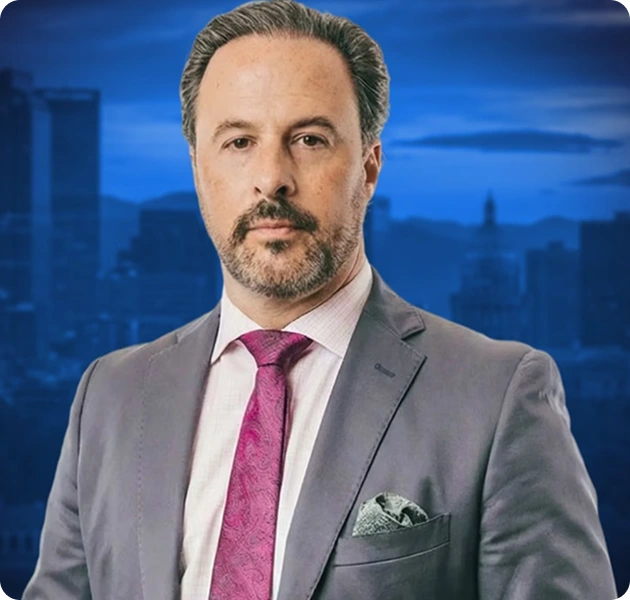
Our attorney at Rosenthal Injury Law fights for Denver wrongful death victims against insurance companies that try to minimize payouts and shift blame. The firm’s attorneys bring over two decades of combined litigation experience to every case, with Jeremy Rosenthal himself recognized as a Super Lawyers Rising Stars honoree from 2012-2022.
The attorneys practice regularly in Denver County District Court and understand the procedural preferences of local judges who handle wrongful death cases in Colorado. This familiarity with court operations allows Rosenthal Injury Law to file motions efficiently, anticipate opposing counsel tactics, and prepare cases according to the expectations that Denver County judges maintain for evidentiary presentations. Jeremy Rosenthal earned his J.D. From University of Denver Sturm College of Law, providing him with deep connections to the local legal community that benefit clients throughout litigation.
Clients communicate directly with Jeremy Rosenthal throughout the legal process rather than receiving updates exclusively from paralegals or administrative staff. The firm maintains its reputation as the most responsive law firm in Denver by returning calls within business hours and providing detailed explanations of case developments as they occur. This direct access allows families to ask questions about settlement negotiations, discovery progress, and trial preparation without waiting days for responses.
Rosenthal Injury Law acts immediately to secure physical evidence, witness statements, surveillance footage, and accident scene documentation before defendants can destroy or lose materials that support wrongful death claims. The attorneys send preservation letters to responsible parties, legally requiring companies and individuals to maintain all records related to the incident that caused the death. This rapid response protects clients from evidence spoliation tactics that insurance companies and corporate defendants frequently employ to weaken claims.
The firm’s attorneys have tried over 50 cases before Colorado juries and understand how to present wrongful death evidence in ways that resonate with Denver County jurors. Jeremy Rosenthal holds membership in both the Million Dollar Advocates Forum and the Top 100 National Trial Lawyers organization, reflecting his track record of securing significant verdicts and settlements for clients. Insurance companies adjust settlement offers upward when they face attorneys with proven courtroom capabilities because they know trial-ready lawyers will not accept inadequate compensation.
The firm works with physicians, accident reconstruction specialists, economists, and vocational rehabilitation professionals who provide expert testimony supporting the full value of wrongful death damages in cases. These experts quantify losses such as future earnings, household services, parental guidance, and loss of companionship that family members experience after losing a loved one. Rosenthal Injury Law maintains established relationships with credible experts whose testimony judges respect and juries find persuasive during settlement negotiations and trials.
The settlement amounts below reflect potential settlement ranges from successful wrongful death cases and negotiations. No fixed formula calculates individual awards since each wrongful death case involves distinct circumstances and variables.
Denver fatal accident attorneys can help you recover fair compensation for your accident claim. Contact us today to schedule your free consultation.
Medical bills in a wrongful death settlement accumulate from the moment emergency responders arrive at the crash scene through the victim’s final hospitalization in Denver. Colorado Revised Statutes § 13-21-203 permits recovery of all healthcare costs incurred between the collision and death, encompassing emergency transport, trauma center treatment, intensive care unit stays, surgical interventions, diagnostic procedures, prescription medications, and palliative care services. Attorneys compile itemized billing statements from hospitals, specialists, and pharmacies to document the full financial burden placed on surviving family members who inherited these obligations. Medical providers often pursue collection aggressively, making prompt legal action essential to protect estate assets and credit ratings while securing reimbursement through the wrongful death claim.
Funeral expense claims in wrongful death cover reasonable costs associated with laying a loved one to rest after a fatal vehicle collision, including mortuary services, casket or cremation expenses, burial plot purchases, headstone installation, memorial service arrangements, and related professional fees. Colorado courts examine customary funeral practices within the community when determining reasonable expense limits, typically approving claims between $7,000 and $15,000 according to Colorado Judicial Department case data from 2022-2024. Families bear immediate financial pressure from funeral homes requiring upfront payment or deposits before services commence, creating hardship during grief. Attorneys negotiate with funeral directors to delay collection while pursuing compensation through insurance claims and litigation, preventing creditors from disrupting the mourning process or forcing families into debt.
Types of compensation in wrongful death cases include economic damages for lost financial support when the deceased provided income, benefits, household services, or other monetary contributions to surviving dependents in Colorado. Attorneys calculate these losses by analyzing the victim’s earning history, employment prospects, age at death, work-life expectancy, household contribution value, and the financial needs of surviving spouse, children, or dependent parents under Colorado Revised Statutes § 13-21-203. The Colorado Bureau of Labor Statistics reports median household income in Denver reaches $85,709 annually, establishing baseline figures that courts use when projecting decades of foregone support. Economic experts testify regarding present value calculations that account for inflation, salary increases, promotion potential, and investment returns the deceased would have generated if the collision had not occurred.
Wrongful death loss of inheritance damages compensate surviving family members for assets, property, retirement accounts, business equity, investment portfolios, and accumulated wealth the deceased would have built and passed to heirs if the fatal collision had not prematurely ended their life. Colorado courts evaluate the victim’s career trajectory, savings patterns, investment habits, entrepreneurial ventures, real estate holdings, and wealth accumulation potential based on education level, professional credentials, and demonstrated financial acumen before death. Financial experts project estate values by analyzing comparable professionals’ lifetime earnings and asset accumulation in the Denver metropolitan area, accounting for tax-advantaged retirement contributions, employer matching programs, stock options, inheritance the victim would have received from older relatives, and compound investment growth over remaining life expectancy. Younger victims with advanced degrees and professional careers generate substantially higher inheritance loss calculations because they possessed decades of earning and wealth-building potential before the wrongful death occurred.
Loss of consortium in wrongful death claims addresses the profound emotional harm surviving spouses, children, and parents endure when fatal vehicle collisions destroy irreplaceable relationships, daily companionship, parental guidance, marital intimacy, emotional support, and family unity in Denver. Colorado law recognizes these intangible losses as compensable damages under § 13-21-203, permitting juries to award substantial sums based on the depth and quality of relationships severed by wrongful death without requiring mathematical formulas or economic calculations. Courts examine factors including marriage duration, parenting involvement, family cohesion, shared activities, emotional bonds, and the devastating void created when the deceased’s presence vanishes from birthdays, holidays, graduations, weddings, and everyday moments that survivors must now experience alone. Children who lose parents suffer lifelong deprivation of guidance, wisdom, love, and support during formative years and major life milestones, justifying significant compensation awards that acknowledge the permanent nature of these losses.
Wrongful death emotional distress creates profound psychological trauma for surviving family members who lose loved ones in fatal vehicle collisions throughout Denver and Colorado. Spouses, children, and parents suffer anxiety, depression, and post-traumatic stress after sudden deaths caused by negligent drivers. Colorado Revised Statutes Section 13-21-203 permits recovery of emotional damages through testimony from mental health professionals, family members, and treating psychiatrists who document the psychological impact. Attorneys present evidence of therapy sessions, medication costs, and diminished quality of life resulting from the loss.
Punitive damages apply when vehicle operators demonstrate willful and wanton disregard for human life through drunk driving, excessive speeding, or intentional misconduct in Denver wrongful death cases. Colorado law caps punitive damages at the greater of three times compensatory damages or $500,000 under C.R.S. Section 13-21-102, with exceptions for intoxicated drivers. Courts award these damages to punish wrongdoers and deter similar conduct, requiring clear and convincing evidence of malicious intent or fraudulent behavior. Attorneys pursue punitive claims by documenting the defendant’s state of mind, prior violations, and conscious disregard for safety.
Wrongful death loss of household services compensates surviving family members for the deceased person’s contributions including childcare, home maintenance, meal preparation, and financial management eliminated by fatal vehicle crashes in Denver. Colorado wrongful death statutes recognize the economic value of household labor performed by stay-at-home parents, retirees, and working individuals who maintained family operations. Attorneys calculate these damages through expert testimony from economists who assess replacement costs for cooking, cleaning, yard work, and caregiving duties the deceased provided. Documentation includes family schedules, household responsibilities, and testimony from surviving relatives about daily tasks now requiring paid assistance.
Determining pain and suffering in a wrongful death case requires proving the decedent experienced conscious pain between the collision and death, creating damages recoverable by the estate under Colorado survival statutes separate from wrongful death claims. Emergency medical records, witness statements, and autopsy reports establish whether the victim remained conscious and suffered physical or emotional distress before succumbing to injuries from the vehicle crash. Attorneys present medical testimony about injury patterns, survival times, and pain levels the deceased endured during transport or treatment in Denver hospitals. Colorado law permits recovery when evidence shows awareness of impending death or prolonged suffering before expiration.
Common injuries in Denver wrongful death cases create devastating physical, emotional, and financial consequences requiring comprehensive medical treatment and legal representation from an accomplished attorney.
Traumatic Brain Injuries require neuropsychological testing, brain imaging studies, and expert testimony linking cognitive deficits to the collision if the defense disputes causation.
Insurance carriers challenge brain injury claims by arguing pre-existing conditions or delayed symptom reporting indicates unrelated causes.
Proving causation in traumatic brain injury cases requires linking specific collision forces to documented cognitive deficits through biomechanical analysis and medical testimony. Colorado courts apply a three-year statute of limitations under C.R.S. § 13-80-101 for personal injury claims, though the discovery rule may extend this deadline if symptoms manifest gradually after the initial trauma.
Spinal Cord Injuries demand emergency room records, surgical reports, and rehabilitation facility documentation proving injury severity and permanency if insurers question the extent of disability.
Defense attorneys argue that incomplete cord injuries may improve with therapy, reducing projected lifetime care costs and diminishing settlement demands.
Spinal cord injury cases require proving that collision forces directly caused vertebral trauma through accident reconstruction and biomechanical engineering testimony. Comparative negligence under C.R.S. § 13-21-111 reduces recovery proportionally if the plaintiff bears partial fault, making liability documentation critical in these high-value wrongful death claims where deceased victims cannot testify about collision circumstances
Blunt force trauma claims succeed when medical records connect visible external injuries to internal organ damage through computed tomography scans and surgical findings if defense questions injury causation.
Insurance adjusters minimize blunt trauma severity by claiming soft tissue injuries resolve quickly without permanent impairment or ongoing treatment needs.
Blunt trauma wrongful death claims must establish that organ damage directly caused death through autopsy reports and medical examiner findings. Denver County coroners investigate sudden deaths under C.R.S. § 30-10-606, providing official cause determinations that plaintiff attorneys use to counter defense arguments about intervening medical conditions or pre-existing health problems contributing to fatal outcomes.
Internal bleeding documentation requires emergency surgical records, blood transfusion logs, and intensive care unit notes proving life-threatening hemorrhage if insurers dispute injury severity.
Defense counsel argues that delayed symptom presentation suggests bleeding resulted from post-accident events rather than collision impact forces directly.
Internal bleeding wrongful death cases require proving that hemorrhage caused death before medical intervention could occur, using ambulance response times and emergency department records. Colorado’s wrongful death statute C.R.S. § 13-21-201 limits recovery to specific family members, including spouses, children, and parents of unmarried children under 18, making proper plaintiff identification essential before filing claims against at-fault drivers or vehicle owners.
Smoke inhalation injury claims require bronchoscopy results, arterial blood gas measurements, and burn unit records documenting respiratory damage if defense challenges inhalation versus external burn causation.
Insurance carriers argue that delayed respiratory symptoms indicate pre-existing lung conditions rather than acute smoke exposure from the vehicle fire incident.
Smoke inhalation wrongful death cases must prove that toxic gas exposure rather than external burns caused respiratory arrest through autopsy carboxyhemoglobin measurements. Denver vehicle fire investigations by fire marshals under C.R.S. § 24-33.5-1212 determine whether mechanical defects, fuel system failures, or electrical malfunctions caused ignition, creating potential product liability claims against manufacturers beyond standard negligence actions against drivers.
Blunt chest trauma documentation requires chest x-rays, electrocardiograms, and cardiac enzyme tests proving heart or lung damage if insurers claim soft tissue injuries without organ involvement.
Defense experts argue that delayed cardiac symptom onset suggests pre-existing heart disease rather than acute trauma from the collision causing organ damage.
Blunt chest trauma wrongful death claims require linking specific collision forces to cardiac arrest through biomechanical reconstruction showing steering column intrusion measurements. Colorado comparative negligence rules under C.R.S. § 13-21-111 reduce damages proportionally if deceased victims failed to wear seatbelts, making restraint use documentation from crash investigations critical to maximize family recovery in wrongful death actions filed by surviving spouses or dependent children.
Drowning cases require witness statements, emergency responder reports, and medical records documenting submersion duration if defense argues that rapid rescue prevented serious injury consequences.
Insurance adjusters claim that successful resuscitation proves minimal oxygen deprivation occurred, reducing anticipated permanent impairment and future medical needs in settlement calculations.
Drowning wrongful death cases must prove that vehicle submersion directly caused death rather than pre-impact injuries through autopsy water aspiration findings in lung tissue. Denver area water submersion incidents on the South Platte River or area reservoirs trigger investigations under C.R.S. § 33-13-101 by Colorado Parks and Wildlife, establishing whether guardrail failures, inadequate signage, or road design defects contributed to vehicles leaving roadways, creating potential governmental liability claims under the Colorado Governmental Immunity Act.
Denver wrongful death accident trends reflect the city’s position as Colorado’s largest metropolitan area, where intensive commuter traffic converges with major interstate freight corridors along I-25 and I-70. The intersection of these transportation arteries creates collision conditions that contribute to fatal outcomes, particularly during peak commuting hours when vehicle density reaches maximum levels according to Colorado Department of Transportation (CDOT) traffic volume studies.
Vehicle crashes throughout Denver County produce 42,300 reported collisions annually based on CDOT crash data analysis, translating to roughly 116 accidents per day across the metropolitan area. Fatal crashes account for approximately 75 deaths each year according to National Highway Traffic Safety Administration (NHTSA) records, while serious injury collisions resulting in incapacitation total 1,890 incidents annually based on Colorado State Patrol accident reports. Denver wrongful death accident rates increased 8.3 percent between 2021 and 2023 according to CDOT’s Highway Safety Report, reflecting population growth that added 67,000 residents during this period while roadway infrastructure capacity remained largely unchanged.
Downtown Denver experiences the highest accident concentration with approximately 8,200 crashes annually according to Denver Police Department traffic division statistics, driven primarily by congested one-way streets, parking maneuvers near office buildings, and pedestrian conflicts at unmarked crosswalks. Capitol Hill records 3,740 collisions per year based on Denver traffic incident data, stemming from narrow residential streets that lack adequate sightlines, particularly along Colfax Avenue where commercial activity creates constant vehicle movements throughout evening hours. Cherry Creek sees roughly 2,950 accidents annually according to Denver County accident mapping data, concentrated near the Cherry Creek Shopping Center where retail traffic merges with through-traffic on First Avenue and University Boulevard. LoDo’s accident rate reaches 4,100 incidents per year based on downtown district traffic reports, reflecting conflicts between delivery vehicles servicing restaurants, ride-sharing pickups near entertainment venues, and impaired driving patterns during nighttime hours when bars close simultaneously. Highland neighborhood collision statistics total 2,380 crashes annually according to northwest Denver precinct data, primarily occurring along Federal Boulevard and Speer Boulevard where arterial speeds exceed 45 mph through mixed-use commercial zones.
Impaired driving contributes to 38 percent of Denver wrongful death accident cases according to CDOT’s Impaired Driving Report, with blood alcohol concentration (BAC) levels exceeding 0.08 in fatal crashes concentrated along Colfax Avenue, Federal Boulevard, and downtown entertainment districts. Speeding appears as a causal factor in 31 percent of deadly collisions based on Denver Police accident reconstruction data, particularly on arterial roads where posted limits of 40 mph fail to account for commercial driveways, pedestrian crossings, and residential access points that create conflict zones. Distracted driving accounts for 23 percent of fatal crashes according to Colorado State Patrol citation records, reflecting mobile device usage that diverts attention during critical moments when hazards emerge suddenly. Failure to yield right-of-way causes 19 percent of Denver wrongful death accident fatalities based on traffic violation data, occurring most frequently at uncontrolled intersections in older residential neighborhoods where stop signs provide the only traffic control.
Pedestrian fatalities in Denver total 34 deaths annually according to CDOT’s Pedestrian Safety Action Plan, with 62 percent of these deaths occurring on arterial streets where crossing distances exceed 80 feet and signal timing provides insufficient clearance intervals for elderly or mobility-impaired individuals. Bicyclist deaths reach seven per year based on Denver Streets Partnership safety tracking data, concentrated in areas lacking protected bike lanes where cyclists share travel lanes with vehicles moving at speeds exceeding 35 mph. Motorcyclist fatalities account for 18 deaths annually according to NHTSA motorcycle crash statistics, with 71 percent of these crashes involving left-turning vehicles that fail to detect motorcycles approaching intersections because driver scanning patterns overlook smaller vehicle profiles.
Wrongful death accidents in Denver occur at varying daily rates depending on accident types, with traffic collisions representing the most frequent category. Denver experiences approximately 60-70 traffic fatalities annually according to Colorado Department of Transportation data, translating to roughly one fatal traffic crash every five to six days. Workplace fatalities add another dimension to wrongful death statistics, with construction accidents, industrial incidents, and occupational hazards contributing approximately 15-20 deaths per year in Denver County based on Colorado Division of Workers’ Compensation records. Medical malpractice deaths, pedestrian fatalities, and premises liability incidents collectively account for additional wrongful death cases throughout the year, though precise daily averages fluctuate based on seasonal factors, weather conditions, and construction activity levels. Denver’s urban density, combined with high-altitude mountain recreation access and significant commercial development, creates multiple wrongful death risk categories that vary substantially across different timeframes rather than maintaining consistent daily averages.
A wrongful death attorney in Denver protects your rights by navigating Colorado’s strict filing deadlines, preserving critical evidence, and ensuring all liable parties are identified before statutes of limitation expire. Colorado Revised Statutes § 13-80-102 requires wrongful death claims to be filed within two years from the date of death, and missing this deadline permanently bars recovery regardless of case merit. Attorneys prevent statute violations by documenting the death date, identifying potential tolling circumstances (such as fraudulent concealment by defendants), and filing claims with proper jurisdiction in Denver County District Court. Your legal team secures evidence before it disappears, including accident scene photographs, medical records, employment documentation, and witness statements that deteriorate in reliability as time passes. Attorneys identify all potentially liable parties early in the process, preventing situations where you settle with one defendant only to discover additional responsible parties after the statute expires. Legal professionals prevent procedural errors that could jeopardize your claim, such as failing to serve proper notice to government entities within 182 days under the Colorado Governmental Immunity Act when deaths involve municipal vehicles or public property. Early attorney involvement stops insurance companies from obtaining recorded statements, social media posts, or settlement waivers that could reduce your compensation later during negotiations or trial.
Following a wrongful death incident, families face critical time-sensitive decisions. Taking prompt action protects legal rights, preserves evidence, and ensures compliance with Colorado’s strict deadlines for filing claims and notices.
Motor vehicle collisions occur when driver negligence, distracted driving, speeding, or impaired operation causes fatal impacts on Denver’s highways and urban streets, particularly at high-traffic intersections along I-25 and I-70 where multiple lanes converge. A skilled motorcycle accident attorney establishes liability through accident reconstruction analysis, traffic camera footage, witness testimony, police crash reports, vehicle damage assessment, medical examiner findings, and toxicology results when impairment contributes to the fatal collision. Fatal motor vehicle crashes result in traumatic brain injuries, internal organ damage, spinal cord severance, and blunt force trauma that claims lives within hours or days after impact. Colorado Revised Statutes Section 13-21-203 governs wrongful death claims filed by surviving family members who seek compensation when negligent drivers cause fatal accidents on Colorado roadways. Denver County experiences approximately 3,500 motor vehicle crashes annually according to Colorado Department of Transportation collision data, with fatal accidents accounting for a significant portion of wrongful death claims filed in Denver district courts each year.
Common Causes
Medical malpractice wrongful death cases arise when healthcare providers deviate from accepted standards of care through misdiagnosis, surgical errors, medication mistakes, or delayed treatment that directly causes patient death in Denver hospitals and clinics. An experienced medical malpractice lawyer proves negligence through expert medical testimony, hospital records, laboratory test results, pharmacy dispensing logs, nursing notes, physician orders, and peer-reviewed literature establishing the applicable standard of care that the defendant provider breached. Fatal medical errors cause complications including uncontrolled bleeding, septic shock, cardiac arrest, and organ failure when healthcare professionals fail to recognize symptoms, administer incorrect treatments, or delay necessary interventions. Colorado Revised Statutes Section 13-64-302 requires expert testimony establishing the standard of care, breach of that standard, and causation linking the breach to the patient’s death. Medical malpractice claims represent roughly 15 percent of wrongful death cases filed in Colorado according to state court system data, with Denver medical facilities facing scrutiny when preventable deaths occur during treatment.
Common Causes
Workplace fatalities occur when employers fail to maintain safe working conditions, provide adequate safety equipment, or follow Occupational Safety and Health Administration (OSHA) regulations at construction sites, warehouses, and industrial facilities throughout Denver County. A skilled workplace accidents attorney establishes employer negligence through OSHA inspection reports, workplace safety violation citations, employee training records, equipment maintenance logs, incident reports, witness statements from coworkers, and expert testimony regarding industry safety standards that the employer violated. Fatal workplace accidents cause crushing injuries, electrocution, asphyxiation, and traumatic amputations when workers operate heavy machinery, work at elevated heights, or encounter hazardous materials without proper protective equipment or safety protocols. Colorado Revised Statutes Section 8-41-101 provides workers’ compensation benefits but allows wrongful death claims against third parties or employers who act with willful and wanton negligence that demonstrates deliberate disregard for worker safety. Denver experiences construction and industrial workplace fatalities each year according to Colorado Department of Labor and Employment statistics, with fatal accidents occurring most frequently in construction, transportation, and manufacturing sectors where physical hazards concentrate.
Common Causes
Product liability wrongful death cases emerge when manufacturers design, produce, or distribute defective products that contain inherent flaws, lack adequate warnings, or fail during normal use in ways that cause fatal injuries to Denver consumers who reasonably rely on product safety. An experienced defective products (product liability) lawyer proves manufacturer liability through product testing results, engineering analysis, manufacturing records, quality control documentation, recall notices, consumer complaints, and expert testimony demonstrating design defects, manufacturing defects, or failure-to-warn defects that made the product unreasonably dangerous. Fatal product defects cause burn injuries, toxic exposure, crushing trauma, and catastrophic system failures when consumer products, industrial equipment, or automotive components malfunction during operation. Colorado follows strict liability principles under common law that hold manufacturers responsible for defective products regardless of negligence when those products reach consumers in defective conditions that cause foreseeable harm. Product liability claims account for thousands of injury cases nationwide according to Consumer Product Safety Commission data, with fatal defects occurring in categories ranging from automotive parts to household appliances, medical devices, and children’s products sold throughout Colorado retail channels.
Common Causes
Pharmaceutical wrongful death claims arise when drug manufacturers market medications that contain dangerous side effects, fail to warn physicians and patients about known risks, or distribute contaminated drugs that cause fatal reactions in Denver patients who take medications as prescribed by their healthcare providers. A skilled dangerous or defective pharmaceuticals attorney establishes manufacturer liability through clinical trial data, Food and Drug Administration (FDA) warning letters, adverse event reports, pharmaceutical company internal communications, medical literature documenting drug risks, prescription records, and expert testimony from pharmacologists who explain how the medication caused the patient’s death. Fatal pharmaceutical defects cause liver failure, cardiac arrhythmias, hemorrhagic stroke, and severe allergic reactions when medications interact with other drugs, exceed safe dosage levels, or contain undisclosed ingredients that trigger life-threatening conditions. Colorado applies strict liability principles to pharmaceutical manufacturers who fail to adequately test drugs, disclose known risks, or recall dangerous medications when adverse effects become apparent through post-market surveillance. Dangerous drug cases represent a growing portion of product liability litigation according to FDA adverse event reporting system data, with prescription medications causing thousands of deaths annually when manufacturers prioritize profits over patient safety in drug development and marketing practices.
Common Causes
Property owner negligence causes fatal injuries when inadequate maintenance, security failures, or hazardous conditions create dangerous environments on commercial or residential premises in Denver County. A skilled premises liability deaths lawyer establishes liability through inspection records, maintenance logs, prior complaint documentation, security footage, and expert testimony regarding property standards violations under Colorado Revised Statutes § 13-21-402, which governs premises liability claims and owner responsibilities throughout the state. Fatal injuries include traumatic brain injuries from falls, multiple fractures from structural collapses, spinal cord damage from inadequate lighting conditions, and fatal injuries from criminal assaults in properties lacking proper security measures. Denver experiences approximately 340 premises-related fatalities annually according to Colorado Department of Public Health data, with negligent property maintenance contributing to 60% of preventable deaths on commercial properties. Evidence collection includes property inspection reports, maintenance service contracts, incident reports from previous accidents, witness statements from other visitors or tenants, building code violation records, security system footage showing hazardous conditions, and expert engineering assessments of structural failures or safety violations.
Common Causes
Nursing home facilities cause fatal harm to elderly residents through systematic neglect, inadequate staffing, medication errors, or deliberate abuse that violates Colorado’s Adult Protective Services Act under C.R.S. § 26-3.1-101. An experienced nursing home abuse or neglect attorney proves liability through facility staffing records, medication administration logs, resident care plans, state inspection reports, and medical examiner findings that document preventable decline or death. Fatal conditions develop from untreated bedsores leading to sepsis, dehydration from neglected hydration protocols, malnutrition from inadequate feeding assistance, aspiration pneumonia from improper feeding techniques, and traumatic injuries from falls caused by inadequate supervision or assistance. Denver County nursing facilities report 180 preventable resident deaths annually according to Colorado Department of Public Health and Environment facility surveys, with understaffing contributing to 70% of neglect-related fatalities in licensed care centers. Evidence collection includes facility inspection reports from state regulators, staffing schedules showing inadequate nurse-to-patient ratios, medication error logs, resident medical records documenting decline, photographs of bedsores or injuries, witness statements from other residents or family members, and expert testimony from geriatric care specialists regarding standard violations.
Common Causes
Intentional violent acts cause wrongful deaths when property owners, security companies, or businesses fail to provide adequate protection against foreseeable criminal activity in areas with documented crime patterns throughout Denver County. A skilled criminal acts or assaults lawyer establishes liability through crime statistics for the location, security assessment reports, prior incident logs, surveillance footage, and expert testimony regarding industry standards under Colorado premises liability law and C.R.S. § 13-80-103.5, which addresses civil liability for criminal acts on commercial property. Fatal injuries include gunshot wounds from assaults in inadequately secured parking structures, stab wounds from attacks in poorly lit areas, traumatic brain injuries from violent assaults near bars without proper security, and fatal injuries from robberies in businesses lacking security measures despite high crime rates. Denver experiences approximately 220 homicides annually according to Denver Police Department crime reports, with 35% occurring on commercial properties that failed to implement reasonable security measures despite documented crime patterns. Evidence collection includes Denver Police Department crime statistics for the specific location, security assessment reports showing inadequate measures, previous incident reports from the property, surveillance camera footage capturing the assault, witness statements from patrons or employees, security guard logs showing gaps in coverage, and expert testimony from security professionals regarding industry standards for crime prevention.
Common Causes
Law enforcement actions cause wrongful deaths through excessive force, inadequate medical care during custody, improper restraint techniques, or constitutional rights violations that violate federal civil rights protections under 42 U.S.C. § 1983 and Colorado’s Peace Officer Liability Act. An experienced deaths in police custody attorney proves liability through body camera footage, dashboard camera recordings, police radio communications, witness statements, medical examiner reports, and expert testimony regarding proper law enforcement procedures and constitutional protections. Fatal injuries include positional asphyxia from improper restraint holds, gunshot wounds from unjustified use of deadly force, cardiac arrest from taser deployment on individuals with medical conditions, traumatic brain injuries from excessive force during arrests, and deaths from untreated medical emergencies ignored by custody officers. Denver County reports approximately 25 in-custody deaths annually according to Colorado Attorney General reporting requirements, with 40% involving restraint-related asphyxia or delayed medical response during detention. Evidence collection includes officer body camera footage showing the encounter, dashboard camera recordings from patrol vehicles, police radio transmissions documenting officer communications, witness statements from bystanders, medical examiner autopsy reports, jail medical records showing ignored complaints, and expert testimony from law enforcement standards experts regarding proper procedures.
Common Causes
Aviation crashes and boating collisions cause fatal injuries through pilot error, mechanical failures, inadequate maintenance, or navigation violations governed by Federal Aviation Regulations and Colorado boating statutes under C.R.S. § 33-13-108. A skilled fatal aviation or boating accidents lawyer establishes liability through National Transportation Safety Board (NTSB) investigation reports, aircraft maintenance logs, pilot training records, flight data recorder information, and expert testimony regarding aviation standards or maritime regulations. Fatal injuries include multiple blunt force trauma from aircraft impact, drowning from boating collisions on Colorado reservoirs, burn injuries from post-crash fires, spinal cord injuries from hard landings, and traumatic brain injuries from cabin decompression events. Colorado reports approximately 15 fatal aviation accidents and 30 boating fatalities annually according to Colorado Division of Parks and Wildlife data, with mechanical failures contributing to 45% of preventable crashes in recreational aircraft operating from Denver-area airports. Evidence collection includes NTSB investigation reports documenting crash causes, aircraft or vessel maintenance records, pilot or operator training certifications, weather reports from the time of the incident, witness statements from surviving passengers or nearby observers, flight data recorder information when available, and expert testimony from aviation safety specialists or maritime investigators regarding regulatory compliance failures.
Common Causes
Wrongful death settlements operate through negotiations between surviving family representatives and defendants or their insurers, resolving claims without trial when both parties agree on fair compensation terms. Attorneys present evidence documenting the deceased’s earning capacity, medical expenses before death, funeral costs, and the emotional impact on survivors to establish claim value, while defendants evaluate liability strength and potential trial outcomes. Settlement amounts vary significantly based on the deceased’s age, income history, number of dependents, and the severity of defendant negligence, with Colorado law allowing recovery of economic losses (lost wages, benefits, household services) and non-economic damages (loss of companionship, guidance, consortium). Most wrongful death cases settle during the negotiation phase or mediation sessions where neutral third parties facilitate discussions, though families retain the right to proceed to trial if settlement offers fail to reflect the full scope of their losses and Colorado’s damages framework.
Your legal rights in a wrongful death case include the right to file claims, recover damages for economic and noneconomic losses, conduct discovery, hold responsible parties accountable, and pursue compensation through settlement negotiations or trial proceedings.
Determining your need for wrongful death representation requires evaluating specific case factors that indicate when professional legal guidance becomes necessary rather than optional in Denver.
Contact attorneys when multiple parties share potential responsibility for the death, accident reconstruction becomes necessary to establish fault, or defendants dispute their role in causing the fatal incident.
Seek representation if the deceased provided substantial household income, was young with decades of earning potential remaining, or left dependent children requiring long-term financial support calculations.
Hire legal counsel when insurers deny valid claims, offer settlements far below calculated losses, employ delay tactics, or request recorded statements before you understand your rights.
Engage attorneys when several family members qualify to file claims under Colorado law, creating potential disputes over settlement distribution or representation authority requiring court resolution.
Obtain legal help if defendants argue pre-existing conditions caused the death, medical records require interpretation by qualified professionals, or expert testimony becomes necessary to prove negligence caused the fatal outcome.
Consult lawyers immediately when approaching Colorado’s two-year filing deadline, when the death resulted from gradual exposure rather than sudden accident, or when determining the exact date triggering the limitations period.
Pursue representation after receiving initial settlement proposals that fail to account for lost future earnings, non-economic damages, or the full financial impact of losing your family member’s contributions.
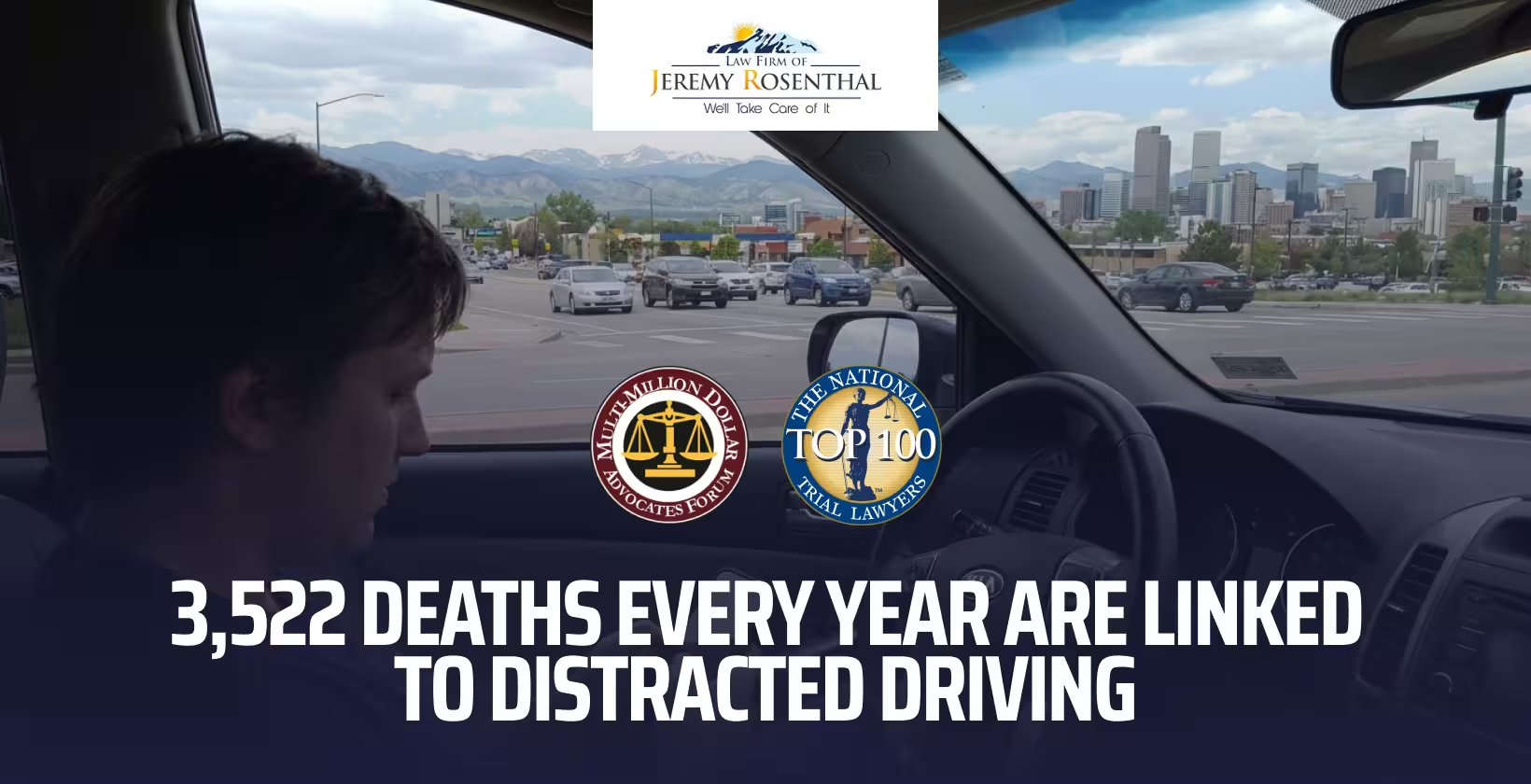
Distracted driving occurs when operators divert attention from roadway conditions by engaging with mobile devices, adjusting vehicle controls, or attending to passengers, creating substantial collision risk in Denver’s congested traffic corridors. The National Highway Traffic Safety Administration (NHTSA) reports that distracted driving contributes to 3,522 fatalities nationally each year, while Colorado Revised Statutes § 42-4-239 prohibits handheld mobile device use during vehicle operation. Violations of this statute establish negligence per se when Denver crashes result in fatalities, allowing wrongful death lawyers to demonstrate breach of duty without additional proof. Evidence that can strengthen your case includes phone records showing active use at crash time, witness statements describing driver behavior before impact, surveillance footage from nearby businesses, vehicle event data recorder information, and police reports documenting violations at the scene.
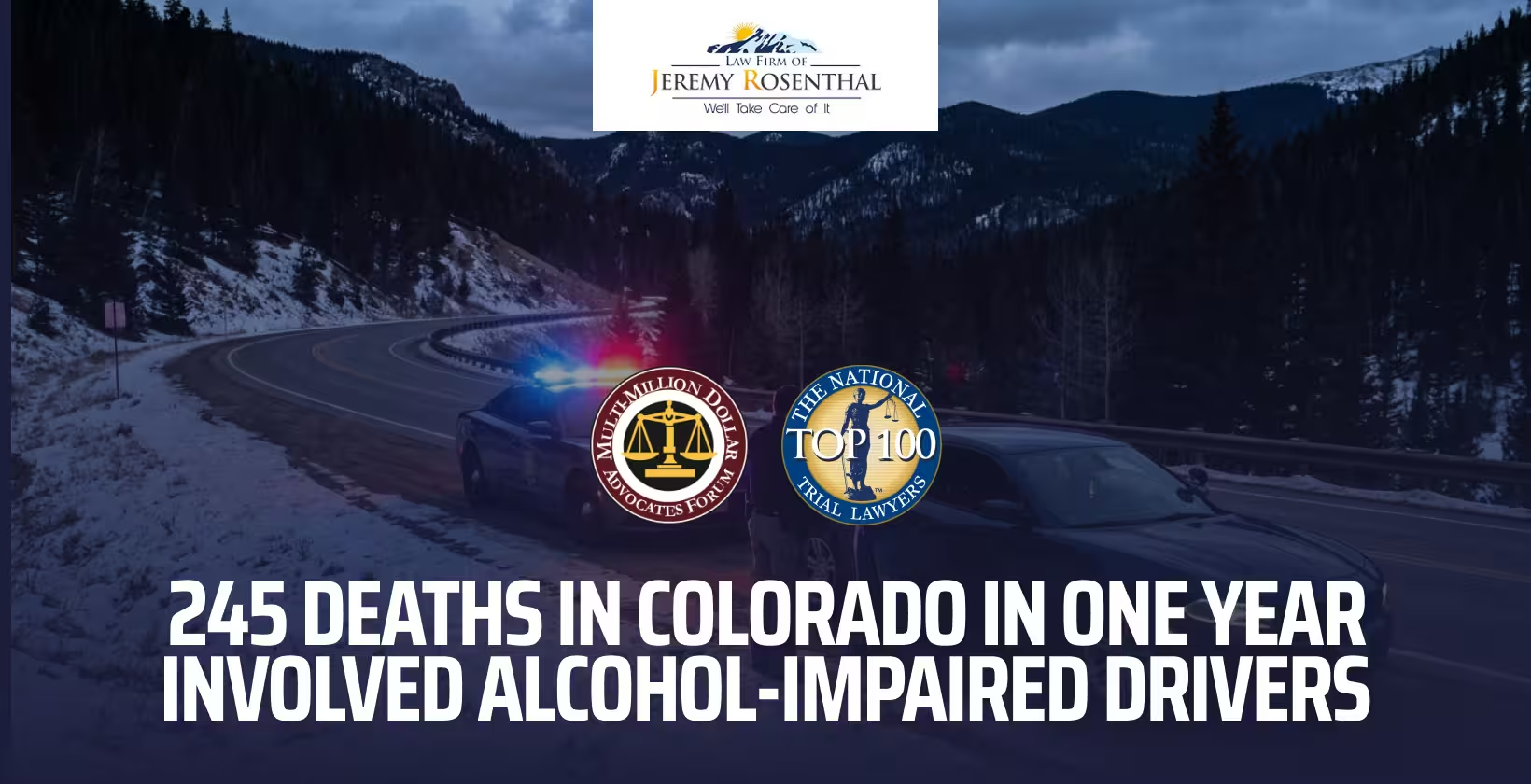
Drunk driving crashes claim lives throughout Denver County when operators choose to drive with blood alcohol concentration (BAC) levels exceeding legal limits, impairing judgment, reaction time, and motor control necessary for safe vehicle operation. According to Colorado Department of Transportation data, alcohol-involved crashes caused 245 deaths statewide in 2022, with Colorado Revised Statutes § 42-4-1301 establishing 0.08% BAC as the legal threshold for driving under the influence (DUI). Criminal DUI charges provide powerful evidence in wrongful death claims because conviction demonstrates negligence as a matter of law, eliminating the need to prove careless conduct separately. Evidence that can strengthen your case includes blood or breath test results, field sobriety test recordings, bar or restaurant receipts showing alcohol service, witness testimony about impaired behavior, and toxicology reports from the medical examiner.
Reckless driving encompasses willful disregard for road safety through excessive speed, aggressive maneuvers, or deliberate traffic law violations that endanger other Denver motorists, pedestrians, and cyclists sharing roadway space. The Federal Motor Carrier Safety Administration (FMCSA) identifies speeding as a factor in 26% of fatal crashes nationally, while Colorado Revised Statutes § 42-4-1401 defines careless driving as operating without due regard for conditions and § 42-4-1101 sets specific speed restrictions. Convictions under these statutes create presumptions of negligence in civil litigation, simplifying proof requirements for families pursuing wrongful death claims after speed-related fatalities. Evidence that can strengthen your case includes crash reconstruction reports calculating pre-impact velocity, skid mark measurements, posted speed limit signs, traffic camera footage, and vehicle computer module data.

Unsafe lane changes occur when drivers merge or shift between traffic lanes without adequate spacing, proper signaling, or sufficient attention to blind spots, causing sideswipe collisions or forcing other vehicles into dangerous evasive actions on Denver’s highways and surface streets. The National Transportation Safety Board (NTSB) attributes approximately 9% of fatal crashes to improper lane usage, while Colorado Revised Statutes § 42-4-1007 requires drivers to ensure lane changes can be made safely and prohibits movement until reasonably certain the maneuver presents no danger. Violation of this statute during a fatal crash establishes negligence through breach of statutory duty, particularly when combined with witness accounts or video evidence contradicting driver claims. Evidence that can strengthen your case includes dashcam recordings from involved vehicles, testimony from adjacent lane occupants, physical damage patterns showing impact angles, highway surveillance footage, and reconstructionist analysis of vehicle positions.
Left-turn accidents frequently result in fatal impacts when drivers attempt to cross opposing traffic lanes at intersections without yielding to oncoming vehicles, misjudging speeds and distances in Denver’s busy commercial districts and residential neighborhoods. According to NHTSA research, left-turn crashes account for 22% of intersection fatalities nationwide, while Colorado Revised Statutes § 42-4-703 mandates that left-turning drivers yield right-of-way to approaching vehicles close enough to constitute an immediate hazard. Failure to yield during left turns creates clear liability when the turning driver’s movement directly causes the collision resulting in death, particularly at controlled intersections with functioning traffic signals. Evidence that can strengthen your case includes intersection camera recordings, traffic signal timing records, witness statements about light colors and vehicle positions, vehicle damage indicating impact points, and accident reconstruction showing sight lines.
Failure to yield violations happen when drivers proceed through intersections, merge points, or crosswalks without granting legally required priority to pedestrians, cyclists, or other vehicles, creating collision scenarios that claim lives throughout Denver County’s transportation network. The Colorado Department of Transportation reports that failure-to-yield crashes resulted in 89 fatalities statewide in 2022, with Colorado Revised Statutes § 42-4-702 through § 42-4-706 establishing comprehensive right-of-way rules for various traffic situations. These statutory violations provide foundation for negligence claims because the law explicitly defines proper conduct, making deviations from required behavior straightforward to demonstrate through physical evidence and testimony. Evidence that can strengthen your case includes intersection design documents, traffic control device specifications, eyewitness accounts of vehicle approach sequences, crash scene photographs showing final rest positions, and expert testimony on proper yielding procedures.
Dangerous road conditions contribute to fatal crashes when government entities or private property owners fail to maintain safe roadway surfaces, proper signage, adequate lighting, or reasonable hazard warnings, exposing Denver motorists to preventable collision risks from potholes, debris, or unclear traffic patterns. According to NHTSA data, roadway factors play a role in 2% of fatal crashes nationally, while Colorado governmental immunity statutes require proving willful and wanton conduct or dangerous condition knowledge for claims against public entities under Colorado Revised Statutes § 24-10-106. Establishing liability against responsible parties requires demonstrating actual or constructive notice of hazardous conditions and failure to remedy defects within reasonable timeframes, making thorough documentation essential. Evidence that can strengthen your case includes maintenance records showing complaint history, photographs documenting hazard severity and duration, weather reports relevant to road treatment, municipal inspection logs, and prior incident reports at the same location.
Dooring accidents occur when a parked vehicle occupant opens a door into a motorcyclist’s path, causing the rider to collide with the door or swerve into traffic, resulting in severe injuries or death across Denver’s urban corridors and residential neighborhoods. According to the National Highway Traffic Safety Administration (NHTSA), door-related crashes account for approximately 8 percent of urban motorcycle fatalities nationally, and Colorado Revised Statute § 42-4-1207 requires vehicle occupants to ensure the roadway is clear before opening doors into traffic lanes. Wrongful death lawyers establish negligence when vehicle occupants fail to check mirrors or blind spots before exiting parked vehicles, creating sudden obstructions that motorcyclists cannot avoid in time. Evidence that can strengthen your case includes witness statements from nearby pedestrians, surveillance footage from adjacent businesses, photographs showing door damage and road positioning, medical examiner reports documenting impact injuries, and toxicology results ruling out rider impairment.

Equipment failures involving brake systems, tire defects, throttle malfunctions, or steering component breakages cause motorcyclists to lose control during Denver commutes, transforming routine rides into fatal crashes when manufacturers prioritize cost savings over safety engineering standards. The National Highway Traffic Safety Administration reports that mechanical defects contribute to 3 percent of fatal motorcycle crashes nationally, and federal regulations under 49 CFR § 571 establish minimum safety performance standards for motorcycle equipment that manufacturers must meet before distributing products to Colorado dealerships. Product liability claims arise when defective parts fail during normal operation, causing riders to crash despite exercising reasonable care in maintaining and operating their motorcycles on Denver roadways. Evidence that can strengthen your case includes the failed component preserved in its post-crash condition, manufacturer recall notices or technical service bulletins, maintenance records showing proper servicing, mechanical engineering expert analysis identifying the defect, and similar failure reports from other riders.
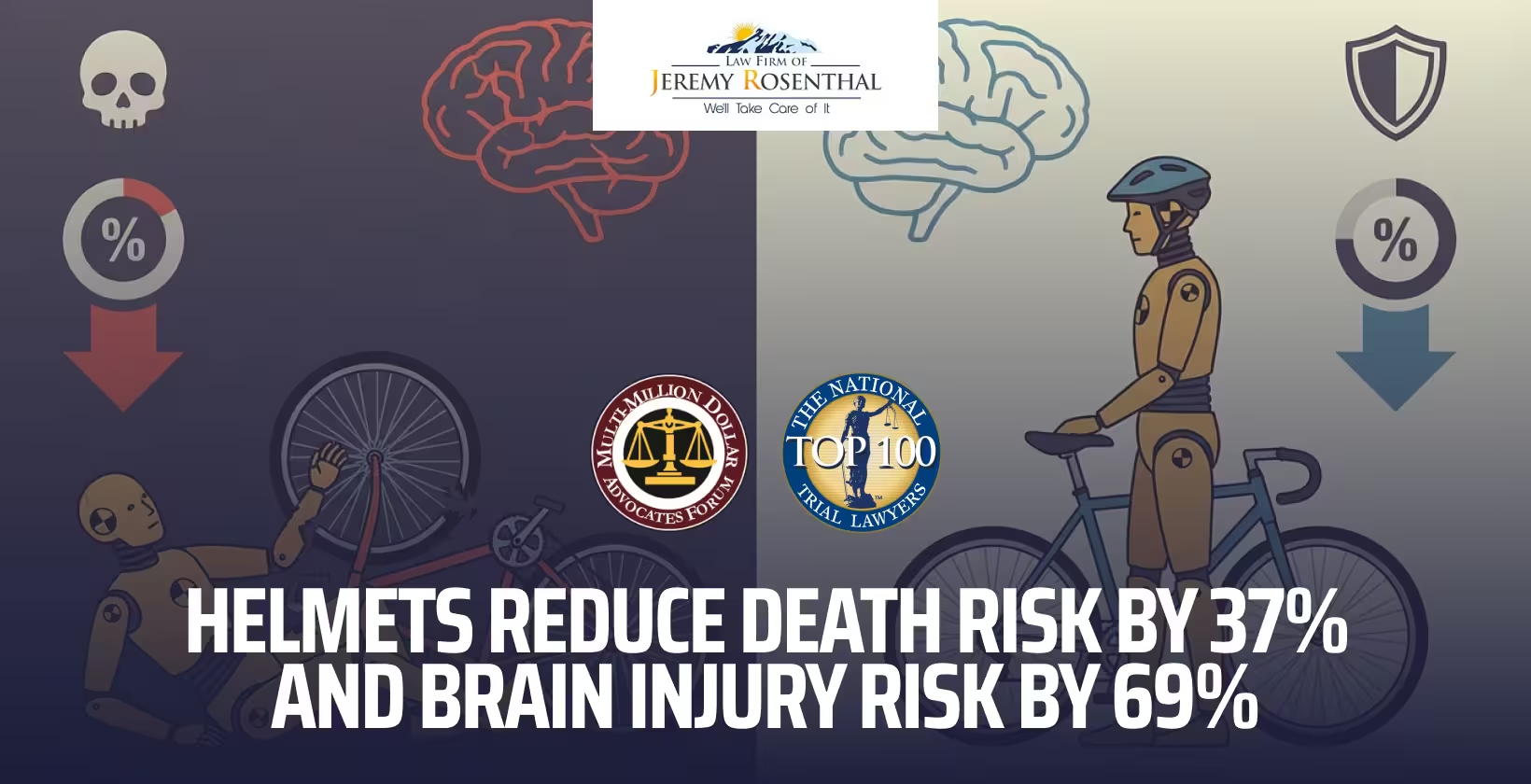
Motorcyclists riding without helmets or adequate protective equipment face exponentially higher risks of traumatic brain injuries and fatal outcomes during crashes, though Colorado law permits riders over 18 to operate without helmets under CRS § 42-4-1502, creating legal complexity in wrongful death claims when helmet non-use becomes a comparative negligence factor. The National Highway Traffic Safety Administration data shows that helmets reduce motorcycle death risk by 37 percent and brain injury risk by 69 percent, yet insurance companies and defense attorneys argue that decedents’ choices to ride unprotected contributed to fatal outcomes even when other drivers caused the underlying collision. Wrongful death lawyers counter these arguments by proving that the at-fault driver’s negligence created the dangerous condition and that helmet use would not have prevented death given the collision’s severity, shifting focus back to the liable party’s conduct rather than the victim’s safety equipment choices. Evidence that can strengthen your case includes medical examiner testimony about injury causation, biomechanical expert analysis of impact forces, accident reconstruction showing collision severity, photographs documenting vehicle damage patterns, and comparative studies of similar crashes involving helmeted riders.
Motorcycles occupy smaller profiles than passenger vehicles and become nearly invisible to distracted or inattentive Denver drivers during lane changes, left turns across traffic, and merging maneuvers, creating deadly gaps in driver awareness that result in “looked but failed to see” collisions throughout Denver County’s congested arterials and highway interchanges. According to National Highway Traffic Safety Administration research, visibility-related crashes account for approximately 23 percent of motorcycle fatalities nationally, and Colorado Revised Statute § 42-4-1002 requires all drivers to yield right-of-way to vehicles already lawfully occupying roadway space, including motorcycles regardless of their smaller size. Wrongful death claims establish negligence when drivers admit they never saw the motorcycle before impact, demonstrating failures in visual scanning, mirror checking, and blindspot awareness that reasonable drivers must exercise to prevent foreseeable collisions. Evidence that can strengthen your case includes driver statements admitting they didn’t see the motorcycle, dashcam footage showing the rider’s position before impact, traffic camera recordings capturing the collision sequence, eyewitness accounts confirming motorcycle visibility, and accident reconstruction analysis of sightlines and reaction distances.
Road rage incidents escalate from verbal confrontations to intentional vehicular assaults when aggressive Denver drivers target motorcyclists through brake checking, swerving, tailgating, or deliberate collisions, transforming traffic disputes into criminal acts that result in wrongful deaths across Colorado’s highways and urban streets. The National Highway Traffic Safety Administration reports that aggressive driving behaviors contribute to approximately 6 percent of fatal motorcycle crashes nationally, and Colorado Revised Statute § 18-3-205 classifies reckless endangerment as a Class 3 misdemeanor when drivers knowingly place others at substantial risk of serious bodily injury through aggressive maneuvers. Wrongful death lawyers pursue both civil damages and criminal prosecution referrals when aggressive driving crosses into intentional harm, establishing heightened liability standards and potential punitive damages awards that reflect the egregious nature of road rage conduct. Evidence that can strengthen your case includes video recordings from other motorists capturing aggressive behavior, 911 call recordings reporting dangerous driving, prior traffic citations showing aggressive driving patterns, social media posts threatening violence, witness statements describing confrontational conduct, and police reports documenting the driver’s demeanor at the scene.
Motorcyclists occasionally strike pedestrians in crosswalks and roadway shoulders during crashes, though more commonly, pedestrian wrongful death claims arise when vehicles force motorcyclists into pedestrian spaces or when riders lose control after colliding with negligent drivers, creating secondary impacts that kill bystanders who never entered the traffic conflict zone. The Federal Highway Administration data shows that 17 percent of urban motorcycle crashes involve multiple-vehicle sequences where initial collisions create secondary hazards for pedestrians, and Colorado Revised Statute § 42-4-802 requires motorists to yield to pedestrians in marked crosswalks and exercise reasonable care to avoid colliding with pedestrians on roadway shoulders. Wrongful death attorneys establish proximate causation by proving that the at-fault driver’s negligence initiated the collision sequence that ultimately killed the pedestrian, holding liable parties accountable even when they never directly struck the deceased person. Evidence that can strengthen your case includes intersection camera footage showing the collision sequence, pedestrian signal timing records, skid mark measurements indicating impact points, cellular phone records proving driver distraction, and biomechanical analysis reconstructing force transfer during multi-impact events.
Semi-trucks and commercial vehicles create catastrophic motorcycle fatalities when truck drivers fail to account for motorcycles during wide turns, lane changes, and braking maneuvers, exploiting massive size disparities that leave riders vulnerable to being crushed, run over, or forced off roadways by vehicles weighing 80,000 pounds compared to 500-pound motorcycles. According to Federal Motor Carrier Safety Administration data, commercial vehicle crashes with motorcycles prove fatal in approximately 84 percent of collision scenarios nationally, and federal regulations under 49 CFR § 392.14 require commercial drivers to exercise extreme caution around vulnerable road users including motorcyclists who share Colorado’s interstate corridors and freight routes. Wrongful death lawyers pursue claims against trucking companies under respondeat superior liability theories and direct negligence for inadequate driver training, hours-of-service violations, and maintenance failures that contribute to deadly collisions with motorcycles on Denver County roads. Evidence that can strengthen your case includes electronic logging device records showing hours-of-service violations, truck maintenance inspection reports revealing mechanical defects, driver qualification files documenting inadequate training, company safety audit findings identifying systemic failures, witness statements from other motorists observing erratic truck operation, and black box data capturing pre-crash speed and braking patterns.
Rideshare and delivery driver negligence claims involve drivers operating under commercial platforms like Uber, Lyft, DoorDash, or Amazon Flex who cause fatal accidents through distracted driving, inadequate vehicle maintenance, or excessive speed while fulfilling delivery quotas or passenger requests. Transportation Network Company (TNC) drivers contributed to 1,564 fatal crashes nationwide in 2022 according to National Highway Traffic Safety Administration (NHTSA) data, with Colorado Revised Statutes § 40-10.1-605 requiring TNCs to maintain $1 million in liability coverage during active trips but potentially inadequate coverage during off-duty periods creating complex liability scenarios. Wrongful death lawyers establish negligence by demonstrating the driver breached their duty of care through platform-related distractions, rushed delivery timelines, or inadequate vehicle inspections, with liability extending to both the driver and potentially the platform company depending on employment classification and insurance coverage gaps. Evidence that can strengthen your case includes the driver’s trip logs and acceptance timestamps, dash camera footage showing platform app usage at impact time, vehicle maintenance records documenting deferred repairs, platform communications pressuring faster delivery times, witness statements about erratic driving behavior, and insurance policy declarations from both driver and platform.
Failure to obey traffic control devices represents one of Denver’s most deadly violations, occurring when drivers disregard red lights, stop signs, yield signs, or traffic officer signals, resulting in high-speed intersection collisions with catastrophic outcomes for victims who had the right-of-way. The Federal Highway Administration (FHWA) reports that traffic signal violations cause 165,000 injury crashes annually nationwide, with Colorado Revised Statutes § 42-4-604 mandating that drivers obey all official traffic control devices and establishing Class A traffic infractions carrying civil penalties that transform into criminal negligence when fatalities result from willful disregard. Violating traffic control devices establishes per se negligence in wrongful death cases because drivers breach statutorily defined duties of care, making liability determination more straightforward than general negligence claims that require proof of unreasonable conduct standards. Evidence that can strengthen your case includes intersection camera footage capturing the signal phase at impact, traffic signal timing records from Denver Public Works, witness statements from drivers stopped at adjacent positions, skid mark analysis showing no braking attempt before impact, toxicology results revealing impairment factors, and reconstructionist reports calculating speeds based on vehicle damage severity.
Unlicensed and uninsured drivers create wrongful death scenarios throughout Denver County when individuals operate vehicles without proper credentials or financial responsibility coverage, demonstrating fundamental disregard for public safety regulations designed to ensure driver competency and victim compensation after crashes. The Insurance Research Council estimates that 12.6 percent of Colorado drivers operate without insurance coverage according to their 2022 study, with Colorado Revised Statutes § 42-2-101 prohibiting operation without a valid license and § 10-4-619 establishing mandatory liability insurance minimums of $25,000 per person for bodily injury. Wrongful death lawyers prove negligence by showing the unlicensed status itself demonstrates incompetence or prior disqualification for safety violations, with uninsured status complicating recovery through underinsured motorist claims against the victim’s own policy or pursuing defendant’s personal assets through judgment liens. Evidence that can strengthen your case includes Department of Motor Vehicles records showing license suspension or revocation history, insurance verification system queries confirming no active policy at collision time, prior traffic citations documenting ongoing violations, financial records revealing the defendant’s asset base for judgment collection, immigration status documentation if license denial stems from residency issues, and medical records proving the defendant’s inability to safely operate vehicles.

Street racing and stunt driving transform Denver roadways into deadly venues when drivers engage in competitive speeding, drifting exhibitions, rolling burnouts, or highway takeovers that demonstrate conscious disregard for human life and result in preventable wrongful deaths of innocent motorists, pedestrians, or passengers. The Governor’s Highway Safety Association reported a 34 percent increase in street racing fatalities nationwide between 2019 and 2021 according to their Special Report on Street Racing, with Colorado Revised Statutes § 42-4-1105 criminalizing speed contests on public highways as Class 2 misdemeanor traffic offenses that escalate to vehicular homicide charges under § 18-3-106 when deaths occur during these reckless exhibitions. Illegal racing activities establish gross negligence or willful and wanton conduct that opens defendants to punitive damages beyond compensatory recovery because courts recognize these behaviors reflect intentional safety disregard rather than momentary inadvertence. Evidence that can strengthen your case includes social media posts advertising the racing event or documenting prior competitions, cellphone video captured by spectators showing the defendant’s vehicle involvement, surveillance footage from nearby businesses recording excessive speeds or coordinated vehicle movements, tire mark patterns indicating loss of control during stunts, witness testimony from other racers identifying participants, and vehicle modifications like nitrous oxide systems or stripped interiors revealing racing intent.

Wrongful death lawyers in Denver provide comprehensive legal services including death investigation, liability determination, insurance claim management, medical documentation review, settlement negotiation, trial representation, damages calculation, medical lien resolution, statute of limitations compliance, and comparative negligence defense for families who have lost loved ones due to another party’s negligence or wrongful conduct.
Attorneys conduct thorough investigations by obtaining police reports, autopsy records, witness statements, photographs, surveillance footage, and accident reconstruction analyses that establish the cause of death and prove negligence. These lawyers work with forensic specialists, medical examiners, and private investigators to gather comprehensive evidence documenting how the fatality occurred and who bears legal responsibility.
Lawyers examine duty of care violations, negligent actions, and statutory breaches to establish legal responsibility for the wrongful death under Colorado law. Attorneys identify all potentially liable parties including individuals, corporations, insurance carriers, and government entities to pursue full compensation from every responsible source.
Attorneys prepare and file wrongful death claims on behalf of designated beneficiaries, handling all legal paperwork, court filings, and procedural requirements under Colorado Revised Statutes § 13-21-201. Lawyers represent estates and surviving family members throughout the legal process, managing communications with insurance companies, defense counsel, and court officials while protecting the family’s rights to recovery.
Lawyers obtain complete medical records including emergency room reports, hospital charts, surgical notes, and autopsy findings to establish the medical causation linking the defendant’s conduct to the death. Attorneys work with medical professionals to review treatment provided, identify preventable errors, and demonstrate how negligence directly caused or contributed to the fatality through detailed medical documentation.
Attorneys calculate past and future financial losses including funeral expenses, medical bills incurred before death, lost income, lost benefits, and the deceased’s projected lifetime earnings based on age, occupation, education, and career trajectory. Lawyers retain economists, actuaries, and vocational specialists who provide detailed analyses quantifying the economic impact of the death on surviving family members who depended on the deceased for financial support.
Attorneys prepare comprehensive demand packages containing evidence, medical documentation, financial analyses, and legal arguments, then present these demands to insurance carriers and defense counsel seeking fair compensation. Lawyers counter lowball settlement offers by demonstrating the full value of economic losses, loss of companionship, emotional suffering, and loss of guidance that surviving family members experience due to the wrongful death.
Lawyers file civil complaints in Denver District Court or federal court when settlement negotiations fail to produce adequate compensation, initiating formal litigation against all liable defendants. Attorneys conduct extensive discovery including depositions of witnesses and defendants, interrogatories, requests for production of documents, and requests for admissions that build the factual record supporting the wrongful death claim at trial.
Attorneys retain qualified experts including accident reconstructionists, medical specialists, economists, vocational rehabilitation consultants, and life care planners who provide testimony establishing liability, causation, and damages. Lawyers prepare experts for deposition and trial testimony, coordinating schedules and ensuring that expert opinions clearly explain complex technical matters to judges and juries in understandable terms.
Lawyers present wrongful death cases at trial by delivering opening statements, examining witnesses, introducing evidence, cross-examining defense witnesses, and delivering closing arguments that persuade juries to award full compensation. Attorneys handle all courtroom procedures, evidentiary objections, and legal arguments while advocating for surviving family members’ rights to recover damages for their profound losses under Colorado wrongful death statutes.
Attorneys ensure that wrongful death claims are filed within two years of the death as required by Colorado Revised Statutes § 13-80-102, protecting families from losing their legal rights to compensation if deadlines expire. Lawyers monitor all applicable time limits including discovery rules that may extend filing deadlines when families could not reasonably have discovered the negligence that caused the death within the standard limitation period.
Surviving family members possess specific legal rights under Colorado Revised Statutes § 13-21-201, which grants eligible relatives the ability to pursue compensation through wrongful death claims when negligence, recklessness, or intentional acts cause fatal injuries. Colorado law designates a strict hierarchy of claimants: the deceased’s spouse holds the first right to file within one year of death, followed by children if no spouse exists or the spouse chooses not to pursue action, and finally parents or the personal estate representative if neither spouse nor children file claims. These designated family members can seek economic damages covering medical expenses incurred before death, funeral and burial costs, lost financial support the deceased would have provided, and loss of benefits including pension rights according to Colorado Department of Public Health and Environment data showing 3,847 wrongful deaths reported in 2022. Non-economic damages compensate for loss of companionship, emotional suffering, and the destruction of family relationships that survivors endure after losing their loved one to preventable fatal injuries.
Minor children hold protected status as wrongful death claimants under Colorado law, receiving compensation through court-appointed guardians ad litem who represent their financial interests throughout settlement negotiations and trial proceedings. Colorado courts prioritize children’s long-term needs when evaluating damages, calculating lost parental guidance, educational support, and financial contributions the deceased parent would have provided through the child’s minority and beyond according to actuarial life expectancy tables. Settlement funds awarded to minor children typically get placed in restricted accounts or structured settlements requiring court approval before disbursement, protecting money until the child reaches age 18 or 21 depending on court orders. Children can claim damages for loss of parental care, companionship, and moral guidance separate from economic losses, recognizing that parental death creates profound emotional trauma requiring compensation beyond financial calculations.
Legal representation in wrongful death cases provides comprehensive advocacy beginning with initial investigation through final settlement or trial verdict, encompassing evidence gathering, witness interviews, consultation with medical professionals and accident reconstruction specialists, and aggressive negotiation with insurance companies defending against liability claims. Attorneys conduct thorough case evaluations determining liable parties, applicable insurance policies, and potential compensation values based on economic losses including funeral expenses averaging $7,848 according to National Funeral Directors Association 2023 data, lost lifetime earnings calculated using actuarial tables, and non-economic damages for emotional suffering. Your legal team handles all court filings, discovery procedures, depositions of witnesses and defendants, settlement negotiations requiring strategic leverage of evidence strength, and trial preparation including jury selection and presentation of testimony when insurance companies refuse fair compensation offers. Lawyers manage complex procedural requirements including Colorado’s two-year statute of limitations under C.R.S. § 13-80-102, compliance with probate court oversight when estates bring claims, and coordination among multiple family members who may hold competing interests in settlement distribution.
Wrongful death lawyers typically operate under contingency fee arrangements that eliminate upfront costs and align attorney compensation with successful case outcomes, charging fees only when settlements or verdicts produce financial recovery for surviving family members. Contingency agreements generally range from 33% to 40% of total recovery depending on case complexity, trial requirements, and appeal proceedings according to Colorado Rules of Professional Conduct governing attorney fees. These arrangements cover all investigation expenses including accident reconstruction specialists costing $3,000 to $15,000, medical record retrieval, court filing fees, deposition transcripts, and consultations with vocational economists calculating lost earning capacity. Clients pay nothing throughout the legal process regardless of time invested or case outcome, protecting families from financial risk when pursuing justice against well-funded defendants and insurance companies with teams of defense lawyers. Fee percentages increase to 40% or higher when cases proceed to trial or appeal because litigation demands substantially greater attorney time, resources, and risk compared to pre-trial settlements.
Switching attorneys mid-case requires evaluating legitimate concerns about communication failures, strategic disagreements, or inadequate case progress against potential disruptions including duplicated work, fee complications, and delayed resolution timelines. Valid reasons for attorney changes include missed court deadlines threatening case dismissal, failure to respond to communications within reasonable timeframes spanning weeks rather than days, lack of wrongful death experience becoming apparent through uninformed legal advice, or ethical violations breaching professional conduct standards. You face potential financial consequences when switching because the original attorney holds a lien for work already completed, creating dual fee obligations that reduce your net recovery unless attorneys negotiate fee-splitting arrangements. New attorneys need time reviewing case files, interviewing witnesses again, and reconstructing investigation work, potentially adding three to six months to case timelines when statute of limitations pressure mounts.
Wrongful death lawyers offer investigation services, liability analysis, claim filing, settlement negotiation, trial representation, damage calculation, evidence gathering, witness interviews, and court representation to help families pursue full compensation after fatal accidents.
1. Case Investigation and Evidence Collection: Attorneys investigate accident scenes, obtain police reports, gather witness statements, secure surveillance footage, and preserve physical evidence. They identify all liable parties and establish the factual basis for your wrongful death claim through thorough investigation.
2. Liability Analysis and Legal Strategy: Lawyers analyze applicable Colorado statutes, determine fault percentages, identify all responsible parties, and develop case strategies. They evaluate comparative negligence defenses and assess how damage caps may affect your potential recovery under state law.
3. Damage Calculation and Documentation: Attorneys calculate economic losses including medical bills, funeral costs, and lost income while documenting noneconomic damages such as pain, suffering, and loss of companionship. They compile financial records to support your claim for full compensation.
4. Claim Filing and Court Procedures: Lawyers prepare complaints, file lawsuits within statutory deadlines, serve defendants properly, and handle all court filings. They ensure compliance with Colorado’s procedural rules including the 182-day notice requirement for claims against government entities.
5. Settlement Negotiation: Attorneys communicate with insurance companies, evaluate settlement offers, negotiate compensation amounts, and advise on offer adequacy. They handle all discussions with opposing counsel while protecting your interests throughout the negotiation process.
6. Discovery Management: Lawyers conduct depositions, submit interrogatories, request document production, and respond to defense discovery requests. They gather testimony from witnesses and opposing parties to build evidence supporting your wrongful death claim.
7. Trial Representation: Attorneys present evidence to juries, cross-examine witnesses, deliver opening and closing arguments, and handle all courtroom procedures. They advocate for your family’s interests throughout trial proceedings to pursue full compensation for your losses.
Liability determination in wrongful death cases requires proving that defendant negligence, recklessness, or intentional misconduct directly caused the fatal injuries through preponderance of evidence standard demanding 51% certainty rather than criminal prosecution’s beyond reasonable doubt threshold.
Attorneys establish four essential liability elements: the defendant owed a duty of care to the deceased (drivers must operate vehicles safely, property owners must maintain safe premises, doctors must provide competent medical treatment); the defendant breached that duty through actions or omissions falling below reasonable care standards; the breach directly caused the death without intervening superseding causes; and quantifiable damages resulted from the wrongful death.
Colorado follows modified comparative negligence rules under C.R.S. § 13-21-111 allowing recovery when the deceased bears less than 50% fault, reducing compensation proportionally by the deceased’s fault percentage according to Denver District Court civil case data showing comparative fault defenses raised in 62% of wrongful death trials.
Evidence proving liability includes eyewitness testimony, surveillance footage, accident reconstruction analyses, medical records connecting injuries to defendant actions, safety regulation violations, and prior similar incidents establishing defendant knowledge of dangerous conditions.
Multiple parties can share liability in wrongful death cases when several defendants contributed to the fatal incident through negligence or reckless actions. Colorado follows modified comparative negligence rules allowing plaintiffs to pursue compensation from all responsible parties if their own fault remains below 50 percent according to Colorado Revised Statutes § 13-21-111.
A fatal construction site accident might involve the general contractor who failed to implement safety protocols, the equipment manufacturer whose defective machinery caused the injury, the subcontractor who ignored fall protection requirements, and the property owner who created hazardous conditions through inadequate site maintenance. Multi-defendant claims require attorneys to investigate each party’s specific contribution to the death, establish separate theories of liability against each defendant, and calculate proportional responsibility based on evidence from accident reconstructions, safety violations, and witness testimony.
Rideshare and delivery companies face liability in wrongful death claims when their drivers cause fatal accidents during active work assignments or company operations. These companies carry commercial insurance policies providing coverage during different trip phases, with Uber and Lyft maintaining $1 million liability policies when drivers transport passengers or travel to pickup locations according to their publicly filed insurance certificates.
Companies become defendants through vicarious liability principles when drivers operate within the scope of employment, negligent hiring theories when companies fail to screen drivers with dangerous driving histories, or direct negligence claims when corporate policies encourage unsafe behaviors like excessive speed to meet delivery quotas. A fatal collision caused by a DoorDash driver rushing between deliveries creates potential claims against both the individual driver and the company if internal pressure to complete orders quickly contributed to reckless driving decisions.
Vicarious liability holds employers and companies responsible for employee actions during work duties even when the employer committed no direct wrongful act. Colorado courts apply the “scope of employment” test evaluating whether the fatal incident occurred while the employee performed job-related tasks, during work hours, or while furthering the employer’s business interests according to precedent established in Carlson v. Indus. Comm’n, 422 P.2d 887 (Colo. 1967).
A commercial truck driver who causes a fatal collision while making scheduled deliveries creates vicarious liability for the trucking company that employed them, directing their routes, and profited from their work. This legal doctrine provides wrongful death claimants access to corporate insurance policies and assets exceeding individual drivers’ resources, though employers can avoid liability if employees acted outside work duties or engaged in purely personal activities unrelated to employment responsibilities at the time of the fatal incident.
Yes, government entities can be sued for dangerous conditions in wrongful death claims under Colorado’s Governmental Immunity Act. Families must file written notice within 182 days and comply with strict procedural requirements. Damage caps limit recovery to $350,000 per person and $990,000 total per occurrence. Claims must involve dangerous conditions covered by immunity waivers, such as defective roadways or unsafe public facilities.
Cell phone records and surveillance footage provide objective evidence establishing driver behavior immediately before fatal collisions when witness accounts conflict or physical evidence remains inconclusive. Phone data subpoenaed from carriers reveals call logs, text message timestamps, and data usage patterns proving distracted driving when records show active phone engagement during crash times according to Federal Communications Commission regulations governing carrier data retention.
Surveillance cameras from traffic signals, nearby businesses, ATMs, and residential doorbell systems capture vehicle speeds, lane violations, signal compliance, and driver actions in the seconds preceding fatal impacts. A wrongful death case involving a driver who ran a red light gains strength when traffic camera footage confirms signal status and cell phone records show incoming text messages arriving three seconds before impact, creating undeniable proof of negligence and contradicting the defendant’s claim that mechanical failure caused the collision rather than distracted driving.
Expert testimony transforms technical evidence into persuasive arguments explaining how defendants’ actions caused the fatal incident when jurors lack specialized knowledge to evaluate complex evidence. Accident reconstruction specialists analyze crash dynamics, vehicle damage patterns, roadway evidence, and physics calculations determining speeds, impact forces, and driver actions preceding collisions according to methodologies accepted by Colorado courts under Daubert v. Merrell Dow Pharmaceuticals standards.
Medical examiners testify about injury mechanisms, causation linking specific trauma to defendant conduct, and whether prompt medical intervention could have prevented death. Economic experts calculate lost income, benefits, and household services quantifying financial damages over the decedent’s expected lifetime using Bureau of Labor Statistics data and actuarial tables. A wrongful death case involving alleged medical malpractice requires physician experts explaining how the defendant doctor’s treatment decisions fell below accepted medical standards and directly caused the patient’s preventable death.
Police reports create initial documentation of fatal incident circumstances, witness statements, and officer observations forming the foundation for wrongful death investigations and claims. Officers respond to fatality scenes, interview witnesses while memories remain fresh, document physical evidence like skid marks and debris patterns, and issue citations reflecting their preliminary fault determinations according to Denver Police Department protocols. These reports gain significance as admissible evidence under Colorado Rules of Evidence 803(8) when they contain factual observations rather than legal conclusions, though courts scrutinize opinions about fault or negligence. Attorneys use reports to identify witnesses requiring follow-up interviews, obtain defendant admissions made at accident scenes, and establish timeline sequences that reconstruct how fatal incidents unfolded. A report documenting a driver’s admission to running a red light or noting alcohol odor provides powerful evidence supporting negligence claims, though reports alone rarely prove liability without supplementary investigation through discovery, depositions, and independent evidence gathering.
The most critical evidence in a wrongful death claim includes accident reports, medical records, witness statements, financial documentation, photographs, autopsy reports, and proof of liability that establishes who caused the death and damages resulting from it.
Attorneys reconstruct fatal accident scenes by hiring certified accident reconstructionists who analyze physical evidence, calculate vehicle dynamics, and create detailed reports explaining how the death occurred. Reconstructionists measure skid marks, examine vehicle damage patterns, and use computer simulation software to determine speeds, impact angles, and driver reaction times at the moment of collision. Photographs and drone footage document road conditions, sight lines, traffic control devices, and environmental factors that contributed to the fatal incident, while expert engineers analyze mechanical failures, defective products, or unsafe premises conditions. Attorneys obtain 911 call recordings capturing immediate post-accident statements, emergency responder reports documenting scene observations, and hospital records tracking the victim’s final hours. Cell phone records reveal whether distracted driving caused the fatality, black box data from vehicles provides speed and braking information, and toxicology reports determine if impairment contributed to negligence.
Medical examiner reports prove essential in wrongful death claims because they establish official cause of death, document injury patterns, and link fatal injuries directly to defendant negligence. Autopsy findings detail the mechanism of death, whether blunt force trauma, internal bleeding, or organ failure, and identify pre-existing conditions that may complicate causation arguments. Coroner reports include toxicology results showing blood alcohol levels, drug presence, or carbon monoxide exposure that support negligence claims against impaired drivers, defective product manufacturers, or negligent property owners. These reports carry significant weight during settlement negotiations and trials because they represent independent medical conclusions from government-appointed physicians rather than hired expert witnesses, making them harder for defendants to dispute or minimize when establishing liability and damages.
Eyewitness statements provide crucial testimony describing the moments before, during, and immediately after a fatal accident, corroborating physical evidence and establishing defendant negligence. Attorneys collect written statements, video depositions, and sworn affidavits from bystanders who observed reckless driving, unsafe work conditions, or negligent conduct that caused the death. Witnesses describe vehicle speeds, traffic signal colors, pedestrian right-of-way violations, and driver behavior that contradicts defendant claims of reasonable care or unavoidable accidents. First responders offer professional observations about scene conditions, victim positioning, and statements made by defendants at the accident site. Attorneys preserve witness credibility by documenting statements immediately after the incident, before memories fade or defendants attempt to influence testimony, and use multiple consistent witness accounts to overcome defense arguments that physical evidence alone cannot establish liability or causation in wrongful death cases.
Contradictory eyewitness testimony becomes resolved when attorneys corroborate accounts with physical evidence, video footage, and expert reconstruction analysis that reveals which witnesses observed the incident most accurately. Attorneys evaluate witness credibility based on viewing angles, proximity to the accident, lighting conditions, and potential bias toward either party. Discrepancies often arise from different vantage points rather than dishonesty, meaning one witness saw the initial collision while another observed only the aftermath. Attorneys reconcile conflicting statements during depositions by asking detailed questions about specific observations, comparing testimony to undisputed facts like skid mark lengths or vehicle damage patterns, and identifying which witnesses provide the most reliable accounts based on their position and attention level at the time of death.
Social media posts and dash camera recordings provide powerful evidence in wrongful death cases by capturing real-time documentation of negligent behavior, accident circumstances, and defendant admissions that contradict later testimony. Dash camera footage from the victim’s vehicle, nearby cars, or commercial trucks shows traffic violations, aggressive driving, or hazardous conditions that caused the fatal collision. Social media posts reveal defendants bragging about reckless behavior, sharing photos while driving, or posting location data that contradicts alibi claims. Attorneys preserve this digital evidence through immediate spoliation letters demanding defendants maintain phone records, social media accounts, and video files before deletion occurs. Video footage often resolves disputed liability questions more convincingly than witness testimony because it provides objective documentation of speeds, signal compliance, and driver conduct without memory gaps or credibility concerns that affect human witnesses.
Typical wrongful death lawsuits take 12 to 36 months from initial filing to resolution, though settlement negotiations outside court often conclude more quickly. Simple cases involving clear liability and cooperative insurance carriers settle within six to nine months, while contested liability disputes requiring extensive discovery and expert testimony extend timelines significantly. Trial preparation adds additional months if settlement negotiations fail, and jury trials themselves consume several weeks including jury selection, witness testimony, and deliberations. Cases involving multiple defendants, disputed medical causation, or complex estate administration require longer timelines because attorneys must coordinate discovery across parties, retain multiple expert witnesses, and navigate probate court proceedings. Appeals extend resolution another 12 to 24 months when either party challenges the verdict or damages award through the Colorado Court of Appeals.
Determining liability in Denver involves verifying standing, investigating the incident, calculating damages, filing the complaint, serving defendants, conducting discovery, negotiating settlements, and proceeding to trial if necessary.
The statute of limitations for filing wrongful death claims in Colorado establishes a two-year deadline measured from the date of death under Colorado Revised Statutes 13-80-102, creating urgent pressure to initiate legal action. This deadline applies regardless of when surviving family members discovered the negligent conduct that caused death, meaning claims filed even one day after the two-year anniversary face dismissal without court consideration of merits. Exceptions exist for cases involving government entities, which require notice of claim within 182 days under the Colorado Governmental Immunity Act, and for deaths resulting from intentional criminal acts where the discovery rule may extend filing deadlines. Probate proceedings and estate administration add complexity because personal representatives must secure court appointments before filing suit, consuming weeks or months of the available limitation period. Missing the statute of limitations deadline permanently bars recovery regardless of claim strength or defendant culpability.
The at-fault party’s death before trial does not terminate wrongful death litigation because claims continue against the deceased defendant’s estate through probate proceedings. Attorneys substitute the estate’s personal representative as the named defendant, allowing the case to proceed with the same liability theories and damage claims presented in the original complaint. Colorado law requires filing claims against estates within specific timeframes established by probate courts, typically within four months of published notice to creditors, creating coordination requirements between wrongful death litigation and estate administration. Insurance policies covering the deceased defendant remain active and continue defending claims through appointed counsel, maintaining the same coverage limits and policy language that existed at the time of the underlying incident. Estate assets become available to satisfy judgments if insurance coverage proves insufficient, though Colorado exemptions protect certain property types from creditor claims including homesteads and retirement accounts.
Wrongful death attorneys negotiate with insurance companies by documenting damages, establishing liability, demanding fair compensation, countering lowball offers, leveraging trial threats, and protecting clients from settlement tactics that minimize payouts.
Insurance company denials of wrongful death claims trigger formal appeals through internal review processes and potential bad faith litigation if carriers act unreasonably in claim handling. Attorneys first request detailed written explanations of denial reasons, then gather additional evidence addressing the insurer’s stated concerns about liability, causation, or policy coverage exclusions. Carriers deny claims citing policy exclusions, disputed liability, lack of causal connection between the insured’s conduct and death, or allegations the deceased’s own negligence contributed to the fatal incident. Legal teams respond by filing lawsuits directly naming both the at-fault party and potentially the insurance carrier if the denial appears pretextual or violates Colorado’s unfair claims practices statutes. Bad faith claims arise when insurers deny valid claims without reasonable investigation, refuse to communicate settlement offers, or prioritize their financial interests over policyholder obligations, potentially exposing carriers to damages exceeding original policy limits.
A wrongful death settlement value is calculated in Colorado by totaling economic damages, noneconomic damages, and considering liability strength, insurance limits, comparative fault, and statutory caps that may reduce final awards.
Families should avoid saying anything to insurance adjusters that admits fault, minimizes damages, accepts blame, or provides recorded statements without legal counsel present to protect their wrongful death claim value.
Families can recover compensation for pain, suffering, and loss, including emotional distress, loss of companionship, loss of guidance, loss of consortium, mental anguish, and grief. Colorado caps noneconomic damages at $2.125 million for most wrongful death cases filed after January 1, 2025.
Loss of Companionship and Consortium: Spouses and children may recover damages for losing the deceased’s companionship, love, affection, comfort, and marital relationship. This compensation addresses the emotional void created by the death and the permanent loss of the relationship that surviving family members experienced.
Pain and Suffering: Families receive compensation for the mental anguish, emotional distress, and psychological trauma caused by their loved one’s death. This includes grief, depression, anxiety, and the ongoing emotional impact that survivors endure following the loss of their family member.
Loss of Parental Guidance: Children may recover damages for losing their parent’s care, guidance, training, and moral support throughout their development. This compensation recognizes that children lose years of parental influence, advice, and nurturing that cannot be replaced.
Loss of Household Services: Families receive compensation for losing the deceased’s contributions to household management, childcare, home maintenance, and daily domestic tasks. These services have economic value even when not performed for wages and represent tangible losses to the household.
Loss of Protection and Care: Compensation addresses the loss of the deceased’s protection, security, and caregiving that benefited family members. This includes both physical protection and emotional support that the deceased provided to their spouse, children, or other dependents.
Economic damages available in wrongful death claims include medical expenses, funeral costs, lost income, loss of benefits, loss of inheritance, and all financial losses resulting from the death. Colorado does not cap economic damages, allowing families to pursue full compensation for documented financial losses.
Medical Expenses: Families recover all reasonable medical bills incurred before death including emergency treatment, hospitalization, surgery, medication, and end-of-life care. These damages compensate for expenses paid by the deceased or their estate for treatment related to the fatal injuries.
Funeral and Burial Costs: Compensation covers funeral services, burial or cremation expenses, memorial services, cemetery plots, headstones, and related costs. Colorado law recognizes these necessary expenses as recoverable economic damages in wrongful death claims.
Lost Income and Earning Capacity: Families receive compensation for wages and income the deceased would have earned throughout their expected working life. Calculations consider the deceased’s age, occupation, education, career trajectory, health, and retirement age to determine total lost earnings.
Loss of Benefits: Damages include lost employer-provided benefits such as health insurance, retirement contributions, pension plans, stock options, and other employment benefits. These losses represent significant financial value that family members would have received had the death not occurred.
Loss of Inheritance: Heirs may recover damages for the inheritance they would have received had the deceased lived their natural lifespan. This calculation considers the deceased’s earning potential, savings patterns, and the estate value that would have accumulated over time.
Loss of Financial Support: Dependents receive compensation for ongoing financial support the deceased provided or would have provided. This includes contributions to household expenses, education costs, and daily living expenses that surviving family members no longer receive.
Property Damage: Families recover repair or replacement costs for vehicles or other property damaged in the incident causing death. These damages compensate for tangible property losses directly resulting from the accident or wrongful act.
Lost retirement and pension benefits constitute recoverable economic damages when a deceased individual would have earned these benefits during their remaining work years. Colorado courts recognize that employer-provided retirement accounts, 401(k) contributions, pension plans, and Social Security benefits represent quantifiable financial losses to surviving family members who depended on these future resources. Attorneys calculate these damages by examining the deceased’s employment benefits package, contribution rates, employer matching percentages, and projected retirement age to determine the total value of lost retirement income. A 45-year-old engineer with a $15,000 annual employer retirement contribution loses $300,000 in benefits over 20 remaining work years, excluding investment growth and compound interest that would have accumulated before retirement age. Economic testimony establishes the present value of these future retirement benefits, accounting for factors like inflation rates, investment returns, and the likelihood the deceased would have remained employed until retirement eligibility.
Non-economic damages claimed after a loved one’s death include pain and suffering, emotional distress, loss of companionship, loss of consortium, mental anguish, loss of guidance, and grief. Colorado caps these damages at $2.125 million for most wrongful death cases.
1. Loss of Companionship: Surviving family members recover damages for losing the deceased’s presence, society, affection, and companionship throughout their remaining lives. This compensates for the permanent absence of shared experiences, daily interactions, and the emotional bond that can never be replaced.
2. Loss of Consortium: Spouses receive compensation for losing their marital relationship, including intimacy, sexual relations, emotional support, and partnership. This damage recognizes that death destroys the unique spousal bond and all aspects of the marriage relationship that extended beyond financial support.
3. Emotional Distress and Mental Anguish: Families recover damages for grief, depression, anxiety, psychological trauma, and emotional suffering caused by the death. This includes ongoing mental health impacts, therapy needs, and the profound emotional pain experienced after losing a loved one.
4. Loss of Parental Care and Guidance: Children receive compensation for losing their parent’s advice, instruction, training, discipline, and moral guidance throughout their development. This damage acknowledges that children lose irreplaceable parental influence during critical formative years.
5. Loss of Love and Affection: Family members recover damages for losing the deceased’s love, expressions of affection, emotional warmth, and caring attention. This compensates for the intangible emotional support that the deceased provided to their spouse, children, and other close family members.
6. Loss of Protection and Security: Dependents receive compensation for losing the deceased’s protection, sense of security, and ability to provide safety. This includes both physical protection and the emotional security that family members felt knowing their loved one was present.
7. Loss of Enjoyment of Life: Survivors recover damages for how the death diminished their own quality of life, happiness, and ability to enjoy activities and experiences. This recognizes that losing a loved one fundamentally changes survivors’ capacity to experience joy and fulfillment.
Funeral and burial expenses represent recoverable economic damages under Colorado wrongful death law because surviving family members bear these immediate financial burdens resulting from another party’s negligence. Courts permit recovery of funeral service costs, burial plot purchases, caskets or cremation expenses, headstone or memorial markers, transportation of remains, and related expenses that families incur when laying loved ones to rest. Denver funeral costs average $7,000 to $12,000 depending on service complexity, burial versus cremation choice, and memorial preferences according to Colorado Funeral Directors Association data. Attorneys submit itemized funeral home invoices, cemetery plot receipts, and related expense documentation to establish the full scope of recoverable costs. These damages require no proof beyond actual receipts since reasonable funeral expenses constitute a natural and foreseeable consequence of wrongful death that responsible parties must compensate through settlement negotiations or jury verdicts.
Courts calculate loss of future income in wrongful death lawsuits by analyzing the deceased’s earnings, work life expectancy, and economic factors to determine total lifetime earning capacity that dependents lost.
1. Establish the Deceased’s Base Income: Courts review the deceased’s actual earnings from employment, including wages, salaries, bonuses, commissions, and self-employment income. Tax returns, pay stubs, and employment records document historical income levels used as the calculation foundation.
2. Determine Work Life Expectancy: Calculate the number of years the deceased would have continued working based on age at death, occupation, health, retirement plans, and industry standards. This establishes the time period over which lost income should be calculated.
3. Project Future Earning Increases: Account for likely salary growth through promotions, career advancement, cost-of-living adjustments, and merit raises. Courts consider education, skills, job performance history, and typical earning trajectories within the deceased’s occupation and industry.
4. Calculate Total Lifetime Earnings: Multiply annual income by work life expectancy while incorporating projected raises and promotions. This produces the gross amount the deceased would have earned throughout their remaining career absent the wrongful death.
5. Deduct Personal Consumption: Reduce total lifetime earnings by the percentage the deceased would have spent on personal living expenses rather than contributing to dependents. Courts typically subtract 25-50% depending on family size and the deceased’s contribution patterns.
6. Apply Present Value Discount: Reduce future earnings to present value using appropriate discount rates that account for inflation and investment returns. This ensures compensation reflects the current lump sum amount needed to equal future periodic payments over time.
7. Consider Benefits and Perks: Add employer-provided benefits, including health insurance, retirement contributions, stock options, bonuses, and other compensation forms. These benefits represent additional economic value beyond base salary that dependents lost.
8. Account for Self-Employment Income: For business owners, analyze business profits, growth trends, market conditions, and the deceased’s role in generating income. Courts may use business valuation methods to project future earnings from self-employment.
9. Adjust for Probable Contingencies: Factor in realistic possibilities that might have affected future earnings, including job loss, disability, economic downturns, or career changes. Courts balance optimistic projections against probable interruptions to earnings.
10. Review Expert Economic Testimony: Courts rely on economists and vocational analysts who apply established formulas, actuarial tables, and economic data. These professionals provide calculations that courts use to determine final loss of future income awards.
Punitive damages become available in wrongful death cases when the defendant’s conduct demonstrates willful and wanton disregard for human safety beyond ordinary negligence. Colorado law permits punitive damages when clear and convincing evidence proves the defendant acted with fraud, malice, or such reckless indifference to consequences that the conduct amounts to intentional misconduct. Drunk drivers with blood alcohol levels exceeding 0.15%, companies that knowingly violate safety regulations after repeated warnings, or individuals who cause death through deliberate criminal acts face potential punitive damage awards designed to punish misconduct and deter similar behavior. Colorado caps punitive damages at the greater of $500,000 or three times compensatory damages, though courts may increase this cap when exceptional circumstances warrant additional punishment. Juries determine punitive damage amounts by evaluating the defendant’s financial condition, the egregiousness of the misconduct, whether the defendant profited from the dangerous behavior, and the need to send a strong message preventing future similar conduct.
Emotional distress constitutes compensable non-economic damages when surviving family members suffer psychological injury, mental anguish, grief, and emotional suffering from losing a loved one through another’s negligence. Colorado wrongful death statutes specifically authorize compensation for emotional harm that spouses, children, parents, and designated beneficiaries experience following traumatic loss. Courts evaluate emotional distress claims based on the relationship’s closeness, the circumstances of death and whether family members witnessed the fatal incident, the duration and severity of psychological symptoms, and whether survivors require mental health treatment to cope with grief and trauma. A spouse who witnessed a fatal truck collision and subsequently developed post-traumatic stress disorder, anxiety attacks, and clinical depression receives higher emotional distress compensation than distant relatives who learned of the death days later. Mental health professionals provide testimony documenting diagnoses, treatment plans, therapy sessions, and prognosis for recovery, transforming abstract emotional suffering into concrete evidence that juries understand and value when calculating fair compensation for psychological injuries that may persist for years or decades after the wrongful death occurs.
To find a reliable wrongful death attorney near you in Denver, visit one of the regions listed below.
Denver, Capitol Hill, Cherry Creek, Highland, Washington Park, LoDo, University, Downtown.
Aurora, Thornton, Westminster, Northglenn, Commerce City, Brighton.
Centennial, Littleton, Englewood, Greenwood Village, Glendale, Sheridan.
Lakewood, Golden, Arvada, Wheat Ridge, Edgewater, Morrison.
Castle Rock, Lone Tree, Highlands Ranch, Parker, Castle Pines.
Broomfield, Superior, Louisville.
Bring to your first meeting with a Denver unlawful death lawyer the death certificate, police or accident reports, medical records, autopsy reports, insurance policies, financial documents showing the deceased’s income and benefits, funeral expense receipts, witness contact information, photographs of the incident scene, and any correspondence with insurance companies. Also bring a list of questions and a written timeline of events surrounding the death to help your attorney evaluate your case.
Legal services included when hiring a wrongful death attorney cover comprehensive representation from initial investigation through settlement or trial verdict.
1. Case Investigation and Evidence Collection: Attorneys conduct thorough investigations, including accident scene examination, witness interviews, expert consultant retention, and evidence preservation, to establish liability and build compelling claims demonstrating who caused your loved one’s death.
2. Medical Records Analysis: Legal teams obtain complete medical documentation, engage medical experts to review treatment records, establish causation between defendant conduct and death, and quantify damages, including final medical expenses and pain experienced before death.
3. Liability Determination: Lawyers identify all potentially responsible parties, including individuals, businesses, government entities, and property owners, then analyze their duty of care, breach of that duty, and direct connection between their negligence and the fatal outcome.
4. Damage Calculation: Attorneys calculate economic losses, including lost wages, benefits, pension contributions, and household services the deceased would have provided, plus non-economic damages covering loss of companionship, guidance, and emotional support family members suffer.
5. Insurance Negotiations: Legal professionals handle all communications with liability insurers, present documented evidence supporting your claim, counter lowball settlement offers, and negotiate aggressively to secure fair compensation reflecting the full value of your family’s losses.
6. Court Filing and Litigation: Lawyers prepare and file wrongful death complaints in Denver District Court within Colorado’s two-year statute of limitations, conduct discovery depositions, respond to defense motions, and advance your case toward trial if settlement negotiations fail.
7. Trial Representation: Attorneys present evidence to juries, cross-examine defense witnesses, deliver opening and closing arguments, and advocate for full compensation during trial proceedings when insurance companies refuse reasonable settlement terms.
8. Settlement Distribution: Legal teams ensure proper allocation of recovered damages among eligible beneficiaries according to Colorado wrongful death statutes, resolve disputes between family members regarding distribution, and protect recovery from creditor claims when possible.
Yes, the attorney offers 24/7 availability for wrongful death cases. Rosenthal Injury Law understands that accidents can occur at any time, often during evenings, weekends, or holidays when families need immediate legal guidance. Fatal incidents do not follow business hours, and families deserve access to legal counsel when tragedy strikes. Round-the-clock availability ensures that families can contact an attorney promptly to discuss their rights, preserve evidence, and begin the claims process without delay. Early legal intervention protects your case by preventing mistakes with insurance companies and ensuring compliance with Colorado’s strict filing deadlines.
You retain the right to change attorneys at any stage of your wrongful death case if communication breakdowns, strategic disagreements, or performance concerns compromise your confidence in current representation. Colorado Rules of Professional Conduct allow clients to terminate attorney relationships, though you remain responsible for compensating previous counsel for work completed according to your fee agreement terms before switching representation. Your new attorney handles the transition by filing substitution of counsel documents with Denver courts, obtaining case files from prior representation, and resuming claim prosecution without losing progress if you act before critical deadlines expire or settlement negotiations conclude.
Your wrongful death case warrants attorney consultation if another party’s negligence, recklessness, or intentional conduct caused your loved one’s death, creating compensable losses that legal action can address through settlement or trial. Attorneys evaluate case strength by examining evidence of duty breach (car accidents caused by drunk drivers, medical malpractice from surgical errors, workplace deaths from safety violations), causation linking that breach directly to death, and quantifiable damages including lost financial support and companionship. Even cases with disputed liability or contributory negligence merit professional review since attorneys identify recovery paths that grieving families miss, including multiple liable parties, insurance coverage sources, and statutory claims that secure full compensation for survivors’ devastating losses.
The best ways to find a wrongful death attorney include online research, referrals from trusted sources, bar association directories, and consultations to evaluate attorney qualifications and case experience.
1. Search Online Legal Directories: Online legal directories like Avvo, Martindale-Hubbell, and Super Lawyers provide attorney profiles, client reviews, ratings, and practice area information. These platforms allow you to filter by location, read testimonials, and compare multiple attorneys before scheduling consultations.
2. Request Referrals From Trusted Sources: Ask family members, friends, colleagues, or other attorneys for recommendations based on their experiences with wrongful death cases. Personal referrals provide firsthand insights into attorney communication styles, results achieved, and whether they prioritized client interests throughout the legal process.
3. Check Colorado Bar Association Resources: The Colorado Bar Association offers lawyer referral services that connect families with licensed attorneys handling wrongful death claims. Bar associations verify credentials, confirm licenses remain active, and ensure attorneys meet professional standards required to practice law in Colorado.
4. Read Client Reviews and Testimonials: Review Google ratings, Yelp feedback, and law firm website testimonials to assess client satisfaction, case outcomes, and attorney responsiveness. Multiple positive reviews indicating successful recoveries and attentive communication suggest reliable representation for your wrongful death claim.
5. Schedule Free Consultations: Meet with multiple attorneys offering free initial consultations to discuss your case, evaluate their knowledge, and assess comfort levels. Consultations reveal how attorneys explain legal processes, whether they answer questions clearly, and if they demonstrate genuine interest in your family’s situation.
6. Verify Trial Experience and Results: Research whether attorneys have tried wrongful death cases to verdict rather than only settling claims. Trial experience demonstrates willingness to pursue full compensation through litigation when settlement offers prove inadequate for compensating your family’s losses.
Online directories provide broad attorney lists but lack personal context that referrals offer. Bar associations verify credentials but don’t assess quality like client reviews do. Free consultations require time but provide direct evaluation opportunities that other methods cannot match.
Combining client reviews with free consultations produces optimal results. Reviews identify attorneys with proven track records, while consultations confirm whether specific attorneys suit your case needs and communication preferences for wrongful death representation.
Rosenthal Injury Law wrongful death attorneys serve Denver County and surrounding Colorado communities where negligent conduct causes fatal accidents requiring comprehensive legal representation.
If you lost a loved one in a tragic accident caused by negligence, you do not have to navigate the claims process alone. Work with a Denver wrongful death lawyer at Rosenthal Injury Law today.
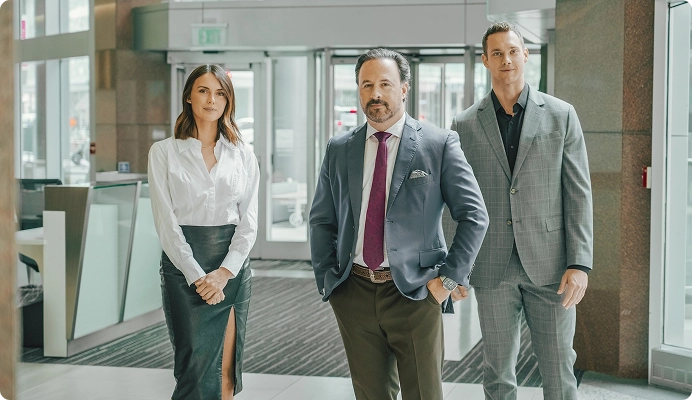
Our experienced Denver personal injury attorneys are ready to help you recover the compensation you deserve. Whether you’ve been injured in a car accident, motorcycle crash, or any other incident, we’re here to fight for your rights. Contact our Denver office to schedule your free consultation today.
At Rosenthal Injury Law, we fight tirelessly for personal injury victims throughout Denver and Colorado. Our commitment is simple: put you first, respond quickly, and pursue maximum compensation for your injuries. We don’t get paid unless you win.
Law Firm of Jeremy Rosenthal
600 17th Street, Suite 2803K,
Denver, CO, 80202
*By Appointment Only


