
Jeremy Rosenthal
Fundador

Los accidentes con lesiones cerebrales traumáticas en Denver plantean serios desafíos legales que requieren abogados con experiencia en este tipo de lesiones, quienes comprenden el impacto devastador que estos incidentes, prevenibles, tienen en las víctimas y sus familias. Las lesiones cerebrales producen consecuencias invisibles pero profundas que las compañías de seguros suelen minimizar o negar, incluyendo deterioros cognitivos que afectan la memoria y la concentración, trastornos emocionales que perturban las relaciones y el empleo, síntomas físicos como dolores de cabeza crónicos y problemas de equilibrio, y la devastación financiera derivada de las crecientes facturas médicas que a menudo superan los 150.000 dólares, según datos de los Centros para el Control y la Prevención de Enfermedades (CDC). La ley de Colorado impone plazos estrictos de dos años para la presentación de demandas, según el artículo 13-80-102 de los Estatutos Revisados, mientras que los demandados trabajan agresivamente para impugnar la causalidad alegando condiciones preexistentes o argumentando que los síntomas posteriores a la lesión se deben a factores no relacionados, lo que deja a las víctimas lesionadas luchando por demostrar sus daños durante el período más vulnerable de sus vidas.
Traumatic brain injury lawyers at Rosenthal Injury Law conduct immediate accident scene investigations to preserve critical evidence including surveillance footage, witness statements, and police reports before this information disappears or becomes unavailable. These attorneys collaborate with neurologists, neuropsychologists, and vocational rehabilitation specialists who document the full extent of cognitive deficits through standardized testing and functional capacity evaluations, then translate medical findings into compelling legal arguments that demonstrate how the injury affects daily activities, work performance, and future earning potential. Legal representation addresses insurance company delay tactics and lowball settlement offers by building comprehensive case files that establish liability through accident reconstruction analysis, medical causation through physician depositions, and damages through economic loss calculations covering past and future treatment costs, lost wages from unemployment or reduced earning capacity, and pain endured from permanent neurological damage.
A continuación se enumeran los beneficios de contratar a un abogado especializado en lesiones cerebrales traumáticas en Denver:

Nuestros abogados, con amplia experiencia, se pondrán en contacto con usted para una consulta legal gratuita.
Colaborar con Jeremy Rosenthal significa trabajar con un abogado de Denver dedicado a priorizar a las víctimas de lesiones. Gracias a su enfoque en la comunicación eficaz y la preparación minuciosa de cada caso, los clientes reconocen constantemente la determinación del bufete para ayudar a cada víctima de accidente a obtener la compensación que merece.
Jeremy Rosenthal leads Rosenthal Injury Law in representing brain injury victims throughout Denver County, focusing on cases where concussions, contusions, and diffuse axonal injuries disrupt careers, relationships, and daily independence. The firm handles claims arising from vehicle collisions, workplace accidents, premises incidents, and assaults that leave clients facing cognitive deficits, emotional instability, memory loss, and chronic headaches that medical providers struggle to diagnose or treat effectively. Rosenthal understands how insurance adjusters minimize these invisible injuries by pointing to normal CT scans while victims battle personality changes and employment termination.
Jeremy Rosenthal aporta experiencia en los tribunales y conocimientos médicos a los litigios por lesiones cerebrales, coordinando con neurólogos, neuropsicólogos, economistas vocacionales y planificadores de cuidados a largo plazo que cuantifican las necesidades de tratamiento a largo plazo y la reducción de la capacidad de ingresos que las aseguradoras se niegan a reconocer. Los abogados de Rosenthal realizan investigaciones exhaustivas que aseguran informes de reconstrucción de accidentes, grabaciones de vigilancia, registros laborales y declaraciones de testigos antes de que las pruebas desaparezcan o los recuerdos se desvanezcan. El bufete busca obtener una indemnización mediante negociaciones de conciliación respaldadas por la preparación del juicio, presentando demandas en el Tribunal de Distrito del Condado de Denver cuando los demandados rechazan ofertas justas que cubran los gastos médicos pasados, los costos de rehabilitación futuros, la pérdida de ingresos y el profundo sufrimiento que estas lesiones imponen a las víctimas y sus familias.
Fundador
Working with Rosenthal Injury Law offers significant advantages for traumatic brain injury victims seeking compensation and protection from insurance company tactics designed to minimize payouts.

Sin cargos iniciales
El bufete trabaja a comisión, lo que significa que los clientes no pagan nada a menos que se obtenga una indemnización mediante un acuerdo extrajudicial o un veredicto judicial. Este sistema elimina las barreras financieras que impiden a las víctimas de lesiones cerebrales acceder a una representación legal de calidad durante su recuperación, cuando las facturas médicas se acumulan y la pérdida de ingresos genera dificultades económicas.
Enfoque centrado en el cliente
Los clientes se comunican directamente con Jeremy Rosenthal durante todo el proceso legal, en lugar de ser transferidos a asistentes legales o personal administrativo que no pueden responder preguntas sustanciales. Este modelo de servicio personalizado se mantiene durante el litigio, las declaraciones juradas y la preparación del juicio, lo que garantiza que los clientes reciban actualizaciones del abogado que lleva su caso y puedan discutir ofertas de acuerdo o estrategias sin demoras.
Asesoría legal especializada
La firma actúa de inmediato para obtener informes de accidentes, historiales médicos, grabaciones de vigilancia y declaraciones de testigos antes de que las pruebas desaparezcan o los recuerdos se desvanezcan. Jeremy Rosenthal se coordina con analistas de reconstrucción de accidentes y profesionales médicos para documentar el alcance total de las lesiones cerebrales que pueden no manifestarse hasta semanas después del traumatismo inicial.
Amplia experiencia
Jeremy Rosenthal cuenta con más de dos décadas de experiencia en casos de lesiones personales, tras haberse graduado en la Facultad de Derecho Sturm de la Universidad de Denver en 2002. Su trayectoria incluye haber trabajado como asistente legal para un juez de Colorado y haber defendido a compañías de seguros, lo que le ha permitido comprender las tácticas que utilizan las aseguradoras para minimizar las reclamaciones por lesiones cerebrales traumáticas.
Negociadores expertos
La firma presenta pruebas contundentes y colabora con neurólogos, neuropsicólogos y especialistas en rehabilitación que proporcionan documentación detallada sobre déficits cognitivos, cambios de personalidad y limitaciones funcionales. Este enfoque exhaustivo ayuda a determinar el valor total de las indemnizaciones cuando las compañías de seguros intentan minimizar las discapacidades a largo plazo que afectan al empleo, las relaciones personales y las actividades cotidianas.
Trayectoria comprobada
Jeremy Rosenthal ha sido reconocido como uno de los mejores abogados de Super Lawyers, figurando entre los 40 mejores abogados menores de 40 años en Colorado en 2017, es miembro del Million Dollar Advocates Forum desde 2014 y se encuentra entre los 100 mejores abogados litigantes a nivel nacional. Estas distinciones reflejan resultados exitosos en litigios por lesiones de alto riesgo que requieren pruebas médicas sustanciales y una defensa enérgica contra equipos de defensa de aseguradoras con amplios recursos.
Las cantidades de indemnización que se muestran a continuación reflejan los rangos potenciales de acuerdos extrajudiciales en casos de traumatismo craneoencefálico y negociaciones exitosas. No existe una fórmula fija para calcular las indemnizaciones individuales, ya que cada caso de traumatismo craneoencefálico implica circunstancias y variables distintas.
Los abogados de lesiones personales de Denver pueden ayudarle a obtener una compensación justa por su accidente. Contáctenos hoy para programar su consulta gratuita.
Los gastos médicos posteriores a lesiones cerebrales traumáticas representan daños financieros sustanciales que, según la ley de Colorado, pueden recuperarse mediante la documentación de la atención de emergencia, las intervenciones quirúrgicas, las pruebas diagnósticas y los protocolos de tratamiento continuos. Las facturas hospitalarias se acumulan cuando los accidentes de tráfico provocan traumatismos cerebrales que requieren especialistas en neurología, terapeutas de rehabilitación y medicamentos recetados durante periodos de recuperación que se extienden meses o años después de la fecha del accidente. Los centros médicos de Denver cobran tarifas variables por tomografías computarizadas, resonancias magnéticas, monitorización en cuidados intensivos y operaciones neuroquirúrgicas necesarias para estabilizar a los pacientes con lesiones cerebrales inmediatamente después de los accidentes. Los abogados recopilan historiales de tratamiento, estados de cuenta y facturas de proveedores que demuestran el alcance total de los gastos médicos tras una lesión cerebral traumática.
Los resultados documentados de las pruebas cognitivas que muestran déficits medibles refuerzan las negociaciones para llegar a un acuerdo si las comparaciones iniciales demuestran un deterioro funcional.
Los peritos de seguros cuestionan la gravedad de los síntomas argumentando que las afecciones preexistentes o el retraso en el tratamiento médico indican un traumatismo menor en lugar de una lesión cerebral significativa.
Las reclamaciones por conmoción cerebral requieren probar la causalidad mediante la documentación del inicio inmediato de los síntomas, ya que la demora en la notificación permite a las aseguradoras argumentar causas alternativas, como el estrés o afecciones médicas no relacionadas.
Obtenga asesoría legal especializada en lesiones cerebrales traumáticas. Nuestro equipo lucha por obtener la máxima indemnización para que usted pueda concentrarse en su recuperación.
Los accidentes por traumatismo craneoencefálico en Denver ocurren con alarmante frecuencia en toda el área metropolitana, afectando a miles de residentes cada año. El crecimiento demográfico de la ciudad, la densa red de carreteras y la altitud crean riesgos únicos para automovilistas, ciclistas y peatones. El volumen de tráfico aumenta considerablemente durante las horas pico, cuando los trabajadores inundan las autopistas interestatales 25 y 70. Además, los corredores de carga que conectan Denver con las comunidades de montaña y las rutas de las llanuras orientales contribuyen a patrones de colisión que resultan en traumatismos craneoencefálicos graves que requieren atención médica inmediata.
Denver experimenta aproximadamente 8400 accidentes vehiculares al año, según datos del Departamento de Transporte de Colorado, lo que equivale a unas 23 colisiones diarias en los 155 kilómetros cuadrados de carreteras, estacionamientos e intersecciones del área metropolitana. Los accidentes con traumatismo craneoencefálico representan entre el 12 y el 15 por ciento de todos los accidentes con lesiones graves, según los informes del registro de traumatismos del Centro Médico Denver Health, lo que genera entre 1000 y 1260 casos de lesiones cerebrales al año que requieren evaluación en urgencias, neuroimagen o ingreso en cuidados intensivos. La tasa de mortalidad aumenta durante los meses de invierno, cuando se forma hielo negro en tramos elevados de autopistas, especialmente a lo largo de la I-70 al oeste del centro de la ciudad, donde los cambios de elevación superan los 305 metros en distancias cortas, según análisis del Servicio Meteorológico Nacional. Las tendencias interanuales muestran un aumento del 6,8 por ciento en los accidentes con lesiones en la cabeza entre 2021 y 2023, según las estadísticas de la Patrulla Estatal de Colorado, lo que se correlaciona con el crecimiento demográfico que añadió 47 000 residentes al área metropolitana de Denver durante el mismo período.
El centro de Denver registra la mayor concentración de accidentes con lesiones cerebrales traumáticas, con aproximadamente 1.840 accidentes anuales según datos de colisiones del Departamento de Policía de Denver, debido a conflictos entre peatones y vehículos en cruces peatonales concurridos cerca de Union Station, 16th Street Mall y las intersecciones del distrito del centro de convenciones, donde el tráfico peatonal alcanza su punto máximo durante las horas punta y los períodos de entretenimiento nocturno. Capitol Hill experimenta tasas elevadas de accidentes, con aproximadamente 680 incidentes por año según informes de las comisarías locales, particularmente a lo largo de Colfax Avenue, donde el tráfico de cuatro carriles, la visibilidad limitada en las zonas de mayor altitud y las frecuentes paradas de autobús crean condiciones peligrosas tanto para conductores como para usuarios del transporte público. Cherry Creek registra aproximadamente 520 accidentes anuales según estudios de seguridad vecinal, concentrados cerca del centro comercial Cherry Creek y a lo largo de University Boulevard, donde el desarrollo comercial atrae un gran volumen de vehículos durante los fines de semana y las temporadas de compras navideñas. LoDo registra aproximadamente 740 colisiones al año, según informan las unidades policiales del distrito del centro, con un aumento repentino de accidentes relacionados con el alcohol los viernes y sábados por la noche, cuando los clientes de los bares salen de los establecimientos a lo largo de los corredores de Blake Street, Larimer Street y Wynkoop Street entre las 11 p. m. y las 2 a. m. Highland experimenta alrededor de 490 accidentes al año, según las estadísticas del distrito, que ocurren principalmente en las intersecciones a lo largo de Federal Boulevard y Speer Boulevard, donde el tráfico de camiones industriales se mezcla con los vehículos residenciales durante las horas punta de la mañana y la tarde.
Los accidentes por traumatismo craneoencefálico ocurren a una tasa que se traduce en aproximadamente 11 a 14 incidentes diarios en el condado de Denver, considerando el área metropolitana estadística más amplia, aunque las cifras diarias exactas fluctúan según los patrones estacionales y las condiciones del tráfico. El Departamento de Salud Pública y Medio Ambiente de Colorado informa que el condado de Denver registra aproximadamente 4200 visitas anuales a la sala de emergencias por traumatismos craneoencefálicos, con un promedio de 11,5 casos por día que requieren intervención médica inmediata. Esta cifra incluye colisiones de vehículos, caídas, lesiones deportivas, accidentes laborales y agresiones que causan conmociones cerebrales, contusiones o traumatismos craneoencefálicos más graves que requieren hospitalización o atención prolongada. La tasa aumenta durante los meses de invierno, cuando las carreteras heladas contribuyen a los accidentes de vehículos y caídas en propiedades comerciales, mientras que en los meses de verano se observan cifras elevadas debido a accidentes de bicicleta, colisiones de motocicletas y actividades recreativas. Los abogados reconocen que los traumatismos craneoencefálicos generan necesidades legales urgentes porque los síntomas pueden no aparecer inmediatamente después del accidente, por lo que la documentación rápida del incidente es fundamental antes de que desaparezcan las pruebas o los testigos no estén disponibles.
Tras un accidente en el que un ser querido sufre una lesión cerebral traumática, actuar de inmediato protege su salud y preserva pruebas importantes para posibles reclamaciones legales.

1. Llame al 911 (inmediatamente):
Comuníquese inmediatamente con los servicios de emergencia, incluso si su ser querido parece consciente o alerta. Las lesiones cerebrales suelen empeorar sin previo aviso. El personal médico de emergencia puede estabilizar a la víctima y trasladarla a los centros adecuados para su evaluación y tratamiento.

2. Documentar el lugar del accidente (en cuestión de horas):
Toma fotografías del lugar del accidente, las lesiones visibles, los daños materiales y cualquier condición peligrosa. Recopila la información de contacto de los testigos y obtén copias de los informes policiales. Esta evidencia será crucial al momento de reclamar una indemnización.

3. Siga todas las recomendaciones médicas (en un plazo de días):
Asegúrese de que su ser querido asista a todas las citas programadas, siga los planes de tratamiento prescritos y complete las terapias recomendadas. Mantenga registros detallados de los medicamentos, los síntomas, los cambios cognitivos y las limitaciones físicas. El cumplimiento del tratamiento médico fortalece las reclamaciones por lesiones.

4. Consulte a un abogado especializado en lesiones cerebrales traumáticas (en un plazo de dos días):
Un abogado puede investigar el accidente, identificar a los responsables y comenzar a preparar su caso, preservando al mismo tiempo las pruebas cruciales.

5. Mantener registros detallados (continuo):
Documente todos los gastos médicos, la pérdida de ingresos, los costos de transporte y cómo la lesión afecta su vida diaria. Lleve un registro donde anote los cambios de comportamiento, los problemas de memoria y las dificultades emocionales. Estos registros ayudarán a determinar los daños al momento de reclamar una indemnización completa.
A continuación se enumeran los tipos de accidentes que pueden causar lesiones cerebrales traumáticas en Denver.
$1.000 – $900.000+
Duración: 10-24 meses
Los accidentes de vehículos motorizados producen lesiones cerebrales traumáticas cuando los ocupantes golpean las superficies interiores durante las colisiones, experimentan fuerzas de aceleración y desaceleración rápidas o sufren heridas penetrantes en la cabeza por escombros en las carreteras de Denver, incluidas la I-25, la I-70 y la I-76. Un abogado experto establece la responsabilidad mediante el análisis de reconstrucción de accidentes, grabaciones de cámaras de tráfico y testimonios de expertos en colisiones que explican la dinámica de las fuerzas y la gravedad del impacto. Las lesiones comunes incluyen conmociones cerebrales, lesiones axonales difusas, fracturas de cráneo y contusiones cerebrales que requieren tratamiento de emergencia inmediato y atención neurológica a largo plazo. El Estatuto Revisado de Colorado § 42-4-1601 exige que los conductores ejerzan un cuidado razonable en las condiciones existentes, creando responsabilidad cuando las infracciones causan traumatismos craneales a otros conductores, pasajeros o peatones. El condado de Denver experimenta aproximadamente 15,000 accidentes de tráfico al año, según datos del Departamento de Transporte de Colorado, con lesiones en la cabeza que ocurren en aproximadamente 12% de colisiones graves. Los abogados de Denver especializados en lesiones cerebrales traumáticas recopilan pruebas que incluyen informes policiales de accidentes, declaraciones de testigos, estudios de imágenes médicas, fotografías de daños en vehículos, registros de tiempos de semáforos, registros de teléfonos celulares y resultados toxicológicos para probar la negligencia y asegurar una compensación justa.
Tasa de victorias: 87%
$1.000 – $900.000+
Duración: 10-24 meses
Los accidentes por resbalones, tropiezos y caídas provocan lesiones cerebrales traumáticas cuando las víctimas se golpean la cabeza contra concreto, baldosas u otras superficies duras tras perder el equilibrio en condiciones peligrosas en las propiedades de los distritos comerciales y residenciales de Denver. Un abogado con experiencia demuestra la responsabilidad de las instalaciones al probar que los propietarios sabían o deberían haber sabido de las condiciones peligrosas, pero no las repararon ni advirtieron adecuadamente a los visitantes. Las lesiones comunes incluyen hematomas epidurales, hematomas subdurales, contusiones con inflamación cerebral y fracturas de cráneo que requieren intervención quirúrgica y monitoreo neurológico intensivo. La ley de responsabilidad de las instalaciones de Colorado, bajo CRS § 13-21-115, exige que los propietarios mantengan condiciones razonablemente seguras para los visitantes legales, lo que crea negligencia punible cuando las fallas de mantenimiento causan traumatismos craneales. Denver experimenta estos incidentes con frecuencia en tiendas minoristas, restaurantes, edificios de oficinas y complejos de apartamentos durante los meses de invierno, cuando el hielo y la nieve crean peligros adicionales. Los abogados de lesiones cerebrales traumáticas de Denver recopilan evidencia que incluye informes de incidentes, videos de vigilancia, registros de mantenimiento, registros meteorológicos, fotografías de las condiciones peligrosas, declaraciones de testigos y registros de inspección de edificios para establecer el incumplimiento del deber y obtener una indemnización por gastos médicos y salarios perdidos.
Tasa de victorias: 78%
$1.000 – $900.000+
Duración: 10-24 meses
Los accidentes laborales y de construcción producen lesiones cerebrales traumáticas cuando los empleados sufren caídas desde alturas, golpes por caída de objetos, contacto con maquinaria o colisiones de vehículos en obras de Denver, desde proyectos de rascacielos en el centro de la ciudad hasta zonas de construcción residencial. Un abogado especializado en lesiones cerebrales traumáticas gestiona tanto las reclamaciones de indemnización laboral como las demandas por responsabilidad civil contra fabricantes de equipos, subcontratistas o propietarios cuya negligencia contribuyó a traumatismos craneales más allá de los escenarios estándar de lesiones laborales. Las lesiones comunes incluyen fracturas de cráneo con hundimiento, lesiones cerebrales penetrantes, conmociones cerebrales graves e inflamación cerebral difusa que requieren procedimientos neuroquirúrgicos y servicios de rehabilitación prolongados. La ley de indemnización laboral de Colorado, según el artículo 8-40-101 de los Estatutos Revisados de Colorado (CRS), proporciona beneficios independientemente de la culpa, pero las demandas contra terceros permiten la recuperación de daños adicionales cuando terceros no empleadores causaron la lesión mediante productos defectuosos o condiciones inseguras en el lugar de trabajo. Las obras de construcción reportan lesiones craneales en aproximadamente 81.300 accidentes graves, según datos de la Administración de Seguridad y Salud Ocupacional (OSHA) para los lugares de trabajo de Colorado. Los abogados de Denver especializados en lesiones cerebrales traumáticas recopilan pruebas que incluyen informes de investigación de accidentes, citaciones de la OSHA, registros de inspección de seguridad, registros de mantenimiento de equipos, declaraciones de testigos, fotografías del lugar y testimonios de expertos ingenieros de seguridad para asegurar una compensación completa a través de todos los canales legales disponibles.
Tasa de victorias: 82%
$1.000 – $900.000+
Duración: 10-24 meses
Los accidentes deportivos y recreativos provocan lesiones cerebrales traumáticas cuando los participantes sufren colisiones, caídas o impactos durante actividades en parques, estaciones de esquí, instalaciones recreativas y recintos deportivos de Denver, en toda el área metropolitana y las comunidades montañosas circundantes. Un abogado con experiencia en lesiones cerebrales traumáticas puede superar las defensas basadas en la asunción de riesgo, demostrando que los operadores de las instalaciones, los fabricantes de equipos o los organizadores de eventos actuaron con negligencia grave o imprudencia que excedió los peligros inherentes a la actividad debido a medidas de seguridad inadecuadas o equipos defectuosos. Las lesiones comunes incluyen el síndrome del segundo impacto, la encefalopatía traumática crónica, las fracturas de la base del cráneo y las hemorragias intracraneales que generan déficits cognitivos permanentes y requieren atención médica de por vida. El estatuto de actividades recreativas de Colorado, CRS § 33-44-109, limita la responsabilidad por riesgos inherentes, pero preserva las reclamaciones cuando los operadores no advierten sobre peligros ocultos o no mantienen el equipo adecuadamente. Las lesiones en la cabeza relacionadas con el deporte ocurren en aproximadamente 1 de cada 5000 exposiciones de participantes, según datos del Departamento de Salud Pública de Colorado, con tasas más altas en deportes de contacto y actividades recreativas extremas. Los abogados de Denver especializados en lesiones cerebrales traumáticas obtienen pruebas que incluyen informes de inspección de instalaciones, registros de compra de equipos, documentación de capacitación del personal, grabaciones de vídeo de incidentes, registros de tratamientos médicos, testimonios de testigos y análisis de expertos en medicina deportiva para establecer la responsabilidad más allá de los riesgos de la actividad ordinaria.
Tasa de victorias: 73%
$1.000 – $900.000+
Duración: 10-24 meses
Las agresiones y los actos de violencia producen lesiones cerebrales traumáticas cuando las víctimas sufren traumatismos por fuerza contundente, heridas de bala o golpes repetidos en la cabeza durante ataques criminales en lugares de Denver, incluidos bares, estacionamientos, edificios de apartamentos y distritos de entretenimiento, donde la seguridad inadecuada no logra prevenir la actividad delictiva previsible. Un abogado especializado en lesiones cerebrales traumáticas de Denver presenta demandas civiles contra los propietarios y las empresas de seguridad bajo las teorías de responsabilidad de las instalaciones, mientras que el proceso penal se lleva a cabo por separado, lo que permite a las víctimas recuperar daños que las órdenes de restitución penal rara vez cubren por completo. Las lesiones comunes incluyen hemorragias subaracnoideas traumáticas, laceraciones cerebrales, fracturas orbitales con afectación cerebral y lesiones por contragolpe que requieren atención traumatológica inmediata y servicios extensos de rehabilitación neuropsicológica. La ley de seguridad negligente de Colorado se aplica cuando los propietarios no implementan medidas de protección razonables a pesar de tener conocimiento de incidentes criminales previos o condiciones peligrosas, según los estándares de responsabilidad de las instalaciones establecidos en la jurisprudencia. Denver reporta aproximadamente 4200 agresiones agravadas anualmente, según las estadísticas de delincuencia del Departamento de Policía de Denver, y las lesiones en la cabeza ocurren en aproximadamente 301 de los casos de delitos violentos que requieren hospitalización. Los abogados de Denver especializados en lesiones cerebrales traumáticas recopilan pruebas que incluyen informes policiales, expedientes de casos penales, vídeos de vigilancia, grabaciones de llamadas al 911, informes de incidentes anteriores, documentación de auditorías de seguridad y testimonios de expertos en seguridad para demostrar que los propietarios incumplieron su deber de proteger a los visitantes de la violencia previsible.
Tasa de victorias: 71%
$1.000 – $900.000+
Duración: 10-24 meses
La negligencia médica se produce cuando los profesionales sanitarios no cumplen con los estándares de atención aceptados durante el diagnóstico, el tratamiento o los procedimientos quirúrgicos, causando lesiones cerebrales traumáticas por errores quirúrgicos, errores de anestesia, diagnóstico tardío de accidente cerebrovascular o hemorragia, o lesiones al nacer que afectan al suministro de oxígeno al cerebro. Un abogado experto en Denver establece la responsabilidad mediante testimonio pericial, análisis de historiales médicos y pruebas de que la desviación del profesional de la atención estándar causó directamente la lesión cerebral. Las víctimas sufren deterioro cognitivo grave, pérdida de memoria, daño neurológico permanente y pérdida de la función motora que requieren cuidados y adaptaciones de por vida. El artículo 13-64-302 de los Estatutos Revisados de Colorado exige que los demandantes presenten un certificado de revisión de un experto cualificado que confirme la validez de la reclamación antes de iniciar un litigio. Según datos del Departamento de Salud Pública y Medio Ambiente de Colorado, los centros médicos del condado de Denver tratan aproximadamente 1500 eventos adversos prevenibles al año. Las pruebas incluyen historiales médicos completos de todos los centros de tratamiento, informes quirúrgicos y notas operatorias, registros de anestesia que muestran la administración de medicamentos y sus dosis, notas de enfermería que documentan la monitorización del paciente, testimonios de peritos especialistas certificados, informes de incidentes hospitalarios y estudios de imagen que muestran la progresión del daño cerebral.
Tasa de victorias: 72%
$1.000 – $900.000+
Duración: 10-24 meses
Los accidentes de bicicleta y patinete eléctrico provocan lesiones cerebrales traumáticas cuando los ciclistas o usuarios de patinetes chocan con las puertas abiertas de los vehículos, son golpeados por conductores que giran y no ceden el paso, se estrellan debido a carriles bici en mal estado con escombros o baches, o se caen de patinetes de alquiler defectuosos con fallos en los frenos. Un abogado con experiencia demuestra la negligencia mediante la reconstrucción de los ángulos de impacto, el análisis de los patrones de daños en el casco y la documentación de los defectos de infraestructura que contribuyeron al accidente. Los usuarios sufren fracturas de cráneo, conmociones cerebrales graves con efectos cognitivos a largo plazo, hematomas subdurales que requieren cirugía de urgencia y lesiones axonales difusas que provocan discapacidad permanente. El Estatuto Revisado de Colorado § 42-4-1412 otorga a las bicicletas y patinetes los mismos derechos y deberes que a los conductores de vehículos en las carreteras, exigiendo a los conductores que mantengan distancias de seguridad al adelantar. El condado de Denver registra 437 accidentes de bicicleta y 189 accidentes de patinete eléctrico anualmente, según datos de colisiones del Departamento de Policía de Denver. Las pruebas incluyen grabaciones de cámaras de casco que muestran los momentos previos al impacto, grabaciones de cámaras de tráfico de intersecciones cercanas, declaraciones de testigos (peatones u otros ciclistas), historiales médicos que documentan la fuerza del impacto y la gravedad de las lesiones, análisis de los daños en bicicletas o patinetes, informes policiales de accidentes y fotografías de las condiciones de la carretera o la posición de los vehículos.
Tasa de victorias: 84%
$1.000 – $900.000+
Duración: 10-24 meses
Los accidentes causados por productos defectuosos provocan lesiones cerebrales traumáticas cuando los componentes del vehículo fallan de forma catastrófica, incluyendo fallos en el sistema de frenos que impiden detenerse antes de un choque, reventones de neumáticos que causan pérdida de control a altas velocidades, defectos en la columna de dirección que se bloquean durante los giros, fallos en las bolsas de aire que se despliegan tarde o no se despliegan en absoluto, o defectos en los retractores de los cinturones de seguridad que permiten un movimiento excesivo de la cabeza durante los impactos. Un abogado establece la responsabilidad del fabricante mediante el análisis de ingeniería del componente defectuoso, la prueba de defectos de diseño o fabricación y la evidencia de que el defecto existía cuando el producto salió de la fábrica. Las víctimas sufren lesiones cerebrales por golpe y contragolpe debido a la desaceleración repentina, fracturas de la base del cráneo por fallos en el despliegue de las bolsas de aire, traumatismos craneales penetrantes por contacto con el tablero y contusiones graves que requieren procedimientos de craneotomía. La Ley de Responsabilidad por Productos de Colorado, bajo los Estatutos Revisados de Colorado § 13-21-401, permite demandas basadas en defectos de fabricación, defectos de diseño o falta de advertencia a los consumidores sobre peligros conocidos. El condado de Denver reporta 78 accidentes anuales relacionados con fallas mecánicas, según datos de investigación de defectos vehiculares de la Patrulla Estatal de Colorado. Las pruebas incluyen el componente averiado conservado en su estado original, los registros de mantenimiento del vehículo que muestran quejas previas, los boletines de servicio técnico de los fabricantes que reconocen los defectos, los avisos de retirada emitidos para vehículos similares, el testimonio de expertos ingenieros automotrices, la información del registrador de datos de colisión y los registros médicos que vinculan las lesiones con fuerzas de impacto específicas.
Tasa de victorias: 79%
$1.000 – $900.000+
Duración: 10-24 meses
Las caídas en residencias de ancianos o centros de atención provocan lesiones cerebrales traumáticas cuando los residentes mayores resbalan en suelos mojados sin señales de advertencia, se caen de camas sin barandillas adecuadas, tropiezan con equipos dejados en los pasillos, se caen durante los traslados por falta de asistencia del personal o colapsan por efectos secundarios de medicamentos que el personal no supervisó adecuadamente. Un abogado demuestra la negligencia mediante documentación de ratios de personal inferiores a los requisitos estatales, evidencia de evaluaciones de seguridad omitidas y prueba de que las políticas del centro infringieron los estándares de atención establecidos. Los residentes sufren hematomas subdurales con síntomas tardíos debido a la atrofia cerebral, fracturas de cráneo por caídas sobre superficies duras, encefalopatía traumática crónica por caídas menores repetidas y hemorragias cerebrales fatales si los medicamentos anticoagulantes impiden la coagulación normal. El Estatuto Revisado de Colorado § 25-1-124 exige que los centros de atención a largo plazo mantengan entornos seguros y una supervisión adecuada para prevenir lesiones previsibles a los residentes. Las residencias de ancianos del condado de Denver reportan 312 caídas graves que resultan en hospitalización anualmente, según los registros de inspección del Departamento de Salud Pública y Medio Ambiente de Colorado. Las pruebas incluyen informes de incidentes del centro que documentan las circunstancias de la caída, horarios del personal que muestran la falta de personal en el momento de la caída, planes de atención a los residentes que indican evaluaciones del riesgo de caídas, grabaciones de vigilancia de pasillos o áreas comunes, historiales médicos que muestran la progresión de la lesión cerebral, informes de inspección estatales que citan infracciones de seguridad y testimonios de expertos en geriatría.
Tasa de victorias: 88%
$1.000 – $900.000+
Duración: 10-24 meses
Los accidentes de vehículos recreativos y embarcaciones provocan lesiones cerebrales traumáticas cuando los vehículos todoterreno vuelcan en terrenos escarpados, las motos acuáticas chocan a alta velocidad, los pasajeros de embarcaciones son golpeados por brazos oscilantes durante giros, los conductores de motos de nieve chocan contra árboles o rocas a gran velocidad, o los pasajeros caen de las motos acuáticas durante maniobras bruscas. Un abogado de lesiones cerebrales traumáticas de Denver establece la responsabilidad mediante el análisis de la capacitación y la licencia del operador, la prueba de operación imprudente o intoxicación, y la evidencia de que las compañías de alquiler no proporcionaron el equipo o las instrucciones de seguridad adecuados. Las víctimas sufren fracturas de cráneo con hundimiento por impacto con superficies duras, conmociones cerebrales graves complicadas por inmersión en agua fría, lesiones cerebrales penetrantes por impacto con objetos subacuáticos y daño cerebral hipóxico por rescate acuático tardío. Los Estatutos Revisados de Colorado § 33-13-108 exigen que los operadores de embarcaciones completen la educación sobre seguridad náutica y prohíben la operación imprudente que ponga en peligro a las personas o la propiedad. Los residentes del condado de Denver representan 94 accidentes de vehículos recreativos y 37 incidentes de embarcaciones anualmente en las áreas montañosas y de embalses circundantes, según datos de cumplimiento de Parques y Vida Silvestre de Colorado. Las pruebas incluyen declaraciones de testigos, otros usuarios recreativos, fotografías del terreno o de las condiciones del agua, contratos de alquiler que muestran el estado del equipo, resultados de pruebas de alcoholemia del operador, historiales médicos que documentan la gravedad del impacto, informes de rescate de los servicios de emergencia e informes de inspección del equipo que muestran defectos de mantenimiento.
Tasa de victorias: 81%
Las leyes relativas a los accidentes por traumatismo craneoencefálico en Denver abarcan las disposiciones de los Estatutos Revisados de Colorado que regulan los plazos de presentación de reclamaciones, la determinación de la responsabilidad, las limitaciones de indemnización y los requisitos de notificación. Estas leyes constituyen el fundamento jurídico para determinar la culpa, establecer la responsabilidad y obtener una indemnización tras un traumatismo craneoencefálico ocurrido en el área metropolitana de Denver.
Las víctimas de lesiones cerebrales traumáticas deben presentar demandas por lesiones personales dentro de los dos años posteriores a la fecha de la lesión o perderán su derecho a reclamar una indemnización.
Los tribunales desestiman los casos presentados después de que expire el plazo de dos años; las víctimas pierden todo derecho a reclamar una indemnización por los daños sufridos.
El plazo de prescripción comienza a correr a partir de la fecha de la lesión, a menos que se aplique la regla del descubrimiento, lo que hace que la evaluación oportuna del caso sea esencial para preservar los derechos legales.
Consulte a un abogado inmediatamente después del diagnóstico; documente cuidadosamente las fechas de las lesiones; determine si se aplican excepciones a las reglas de descubrimiento para extender los plazos de presentación de documentos.
Comprender estas leyes de Denver sobre lesiones cerebrales traumáticas ayuda a las víctimas a proteger sus derechos legales, cumplir con los plazos cruciales y determinar si tienen derecho a una indemnización antes de presentar una reclamación.
Traumatic brain injury accident settlements in Denver follow a negotiation process between your attorney and the at-fault party’s insurance company to reach a financial agreement covering your medical costs, lost wages, and other damages without going to trial. Rosenthal Injury Law initiates settlement discussions after gathering comprehensive medical records documenting your brain injury, including neurological evaluations, cognitive assessments, CT scans, MRI results, and physician reports detailing the injury’s impact on daily functioning. Insurance adjusters review the evidence package and make initial offers that typically undervalue claims because traumatic brain injuries carry substantial future care costs extending beyond immediate hospitalization expenses. Attorneys counter with demand letters citing Colorado personal injury statutes, comparable case verdicts, and expert testimony establishing the full scope of damages including ongoing rehabilitation needs, cognitive therapy sessions, and permanent disability accommodations. Settlement amounts vary widely based on injury severity, with mild concussions settling between $25,000 and $100,000 according to Colorado Department of Insurance data, while severe traumatic brain injuries requiring lifetime care settle between $1 million and $5 million depending on medical prognosis and earning capacity loss. Negotiations continue through multiple rounds until both parties agree on fair compensation or your attorney recommends filing a lawsuit when insurers refuse reasonable settlement terms that reflect your actual damages and future needs.
Colorado opera bajo un sistema de responsabilidad civil por culpa en lugar de un sistema sin culpa, lo que significa que la parte responsable de causar su lesión cerebral traumática debe compensarlo por los daños resultantes a través de su cobertura de seguro de responsabilidad civil. Colorado exige que los conductores tengan un seguro de responsabilidad civil mínimo de $25,000 por persona y $50,000 por accidente según los Estatutos Revisados de Colorado § 10-4-620, pero estos mínimos resultan insuficientes cuando las lesiones cerebrales graves generan gastos médicos que superan los $500,000 para cuidados intensivos, neurocirugía y rehabilitación a largo plazo según datos de los Centros para el Control y la Prevención de Enfermedades. Usted presenta reclamos directamente contra el seguro de la parte culpable en lugar de su propia póliza, y debe probar que la negligencia de la otra parte causó su lesión cerebral traumática mediante evidencia como informes policiales, declaraciones de testigos y registros médicos que vinculen el accidente con su daño neurológico. Los tribunales del condado de Denver exigen que los demandantes demuestren la existencia de un deber de diligencia, el incumplimiento de dicho deber, la causalidad y daños cuantificables antes de otorgar una indemnización, a diferencia de los estados donde no se aplica el sistema de seguro sin culpa, en los que las partes lesionadas cobran de sus propias aseguradoras independientemente de la determinación de la culpa.
Sus derechos tras un accidente con lesión cerebral traumática incluyen reclamar una indemnización completa a las partes responsables mientras recibe la atención médica necesaria, independientemente de su capacidad inmediata para pagar los costos del tratamiento.
1. Derecho a recibir tratamiento médico de emergencia:
En virtud de la Ley de Tratamiento Médico de Emergencia y Trabajo de Parto, los hospitales de Colorado deben proporcionar atención de emergencia para lesiones cerebrales independientemente del estado del seguro o la capacidad de pago, garantizando tomografías computarizadas inmediatas, monitorización neurológica y procedimientos de estabilización.
2. Derecho a rechazar ofertas de acuerdo anticipado:
Las compañías de seguros suelen presentar ofertas de indemnización irrisorias a los pocos días del accidente, pero usted conserva el derecho a rechazar una compensación insuficiente hasta que los profesionales médicos determinen el alcance total del deterioro cognitivo permanente, la pérdida de memoria o el daño a la función motora.
3. Derecho a representación legal:
La ley de Colorado protege su derecho a contratar a un abogado que revise las ofertas de conciliación, negocie con los ajustadores de seguros y presente demandas cuando sea necesario, sin la interferencia de las compañías de seguros que intentan desalentar la consulta legal.
4. Derecho a recabar pruebas:
Usted tiene derecho a recopilar informes policiales, información de contacto de testigos, fotografías de los lugares del accidente e historiales médicos que documenten los síntomas de su lesión cerebral traumática, incluidos dolores de cabeza, mareos, confusión y cambios de personalidad que se desarrollen durante las semanas posteriores al impacto inicial.
5. Derecho a indemnización por daños futuros:
Los tribunales de Colorado reconocen que las lesiones cerebrales traumáticas generan consecuencias a largo plazo que requieren décadas de terapia cognitiva, rehabilitación ocupacional y apoyo en residencias para la tercera edad, lo que le da derecho a una indemnización que cubra los gastos de atención médica previstos a lo largo de su vida, más allá de los costos inmediatos de hospitalización.
6. Derecho a la privacidad durante la recuperación:
Las leyes de privacidad médica impiden que los investigadores de las aseguradoras accedan a su historial médico completo sin autorización, protegiendo así los resultados confidenciales de las evaluaciones neurológicas contra un uso indebido durante las negociaciones de acuerdos.
7. Derecho a interponer una demanda civil:
El estatuto de limitaciones de Colorado le otorga tres años a partir de la fecha del accidente para presentar demandas por accidentes de vehículos motorizados según CRS § 13-80-101(1)(n), o dos años para lesiones no relacionadas con vehículos motorizados según CRS § 13-80-102, cuando las negociaciones de acuerdo no producen ofertas justas que reflejen el impacto permanente de su lesión cerebral traumática en la capacidad de ganancia y la calidad de vida.
Para saber si necesita un abogado especializado en lesiones cerebrales traumáticas, es necesario evaluar las circunstancias específicas del accidente, la gravedad de la lesión y el comportamiento de la compañía de seguros, factores que indican la importancia de contar con representación legal profesional.
1. Evaluar la complejidad del diagnóstico médico:
Necesitas un abogado cuando los médicos diagnostican una lesión cerebral traumática de moderada a grave que requiere hospitalización por más de 48 horas, intervención neuroquirúrgica o rehabilitación cognitiva a largo plazo, porque estos casos implican daños que superan los 150.000 dólares, según datos de la Asociación de Lesiones Cerebrales de América.

2. Calcular los daños económicos totales:
Contrate representación legal cuando sus facturas médicas, la pérdida de ingresos por incapacidad laboral y las necesidades de atención médica futuras superen la cobertura mínima de seguro de la parte culpable de $25,000, lo que crea situaciones de cobertura insuficiente que requieren demandas contra múltiples demandados.

3. Evaluar las tácticas de los peritos de seguros:
Necesitas un abogado cuando las compañías de seguros disputan la responsabilidad, alegan que afecciones preexistentes causaron tus síntomas, retrasan la tramitación de las reclamaciones más de 30 días u ofrecen acuerdos por debajo de los gastos médicos reales documentados en los estados de cuenta del hospital.

4. Considere la evidencia de discapacidad permanente:
Busque asesoramiento legal cuando los neurólogos diagnostiquen déficits cognitivos permanentes, deterioro de la memoria, daño a las funciones ejecutivas o cambios de personalidad que le impidan regresar a su ocupación anterior, ya que estas lesiones justifican una indemnización sustancial por daños no económicos derivados de la disminución de la calidad de vida.

5. Revise los plazos de prescripción:
Póngase en contacto con un abogado pocas semanas después de su accidente, en lugar de esperar meses, ya que la preservación de pruebas, las entrevistas a testigos y la documentación del lugar del accidente se vuelven cada vez más difíciles con el paso del tiempo, lo que podría debilitar la solidez de su reclamación durante las negociaciones o el juicio.

6. Determinar las partes responsables múltiples:
La representación legal se vuelve necesaria cuando varias partes comparten la culpa, incluyendo conductores negligentes, fabricantes de vehículos que producen equipos de seguridad defectuosos o entidades gubernamentales que mantienen condiciones viales inseguras que contribuyeron a su accidente con lesión cerebral traumática.
A continuación se enumeran las causas más comunes de lesiones cerebrales traumáticas en Denver.
Los accidentes automovilísticos provocan lesiones cerebrales traumáticas cuando los conductores de Denver experimentan fuerzas de desaceleración repentinas, golpeándose la cabeza contra el volante, el tablero o las ventanas durante colisiones en intersecciones, autopistas y calles residenciales en todo el condado de Denver. Según datos del Departamento de Transporte de Colorado, el condado de Denver reportó 1,847 accidentes con lesiones en 2022, con traumatismos craneales en aproximadamente 121 de las colisiones graves, y los conductores que violan el Estatuto Revisado de Colorado § 42-4-1402 (no ceder el derecho de paso) o § 42-4-1401 (seguir demasiado cerca del vehículo de adelante) crean condiciones que frecuentemente resultan en lesiones cerebrales. Esta violación establece negligencia per se cuando el incumplimiento del estatuto causa directamente la lesión cerebral traumática del demandante, transfiriendo la carga de la prueba al demandado en el litigio civil. Entre las pruebas que pueden reforzar su caso se incluyen fotografías del lugar del accidente, declaraciones de testigos (otros conductores o peatones), informes policiales de accidentes con observaciones de los agentes, imágenes médicas que muestren traumatismos cerebrales, registros laborales que documenten cambios cognitivos y grabaciones de la cámara del salpicadero que capturen la secuencia de la colisión.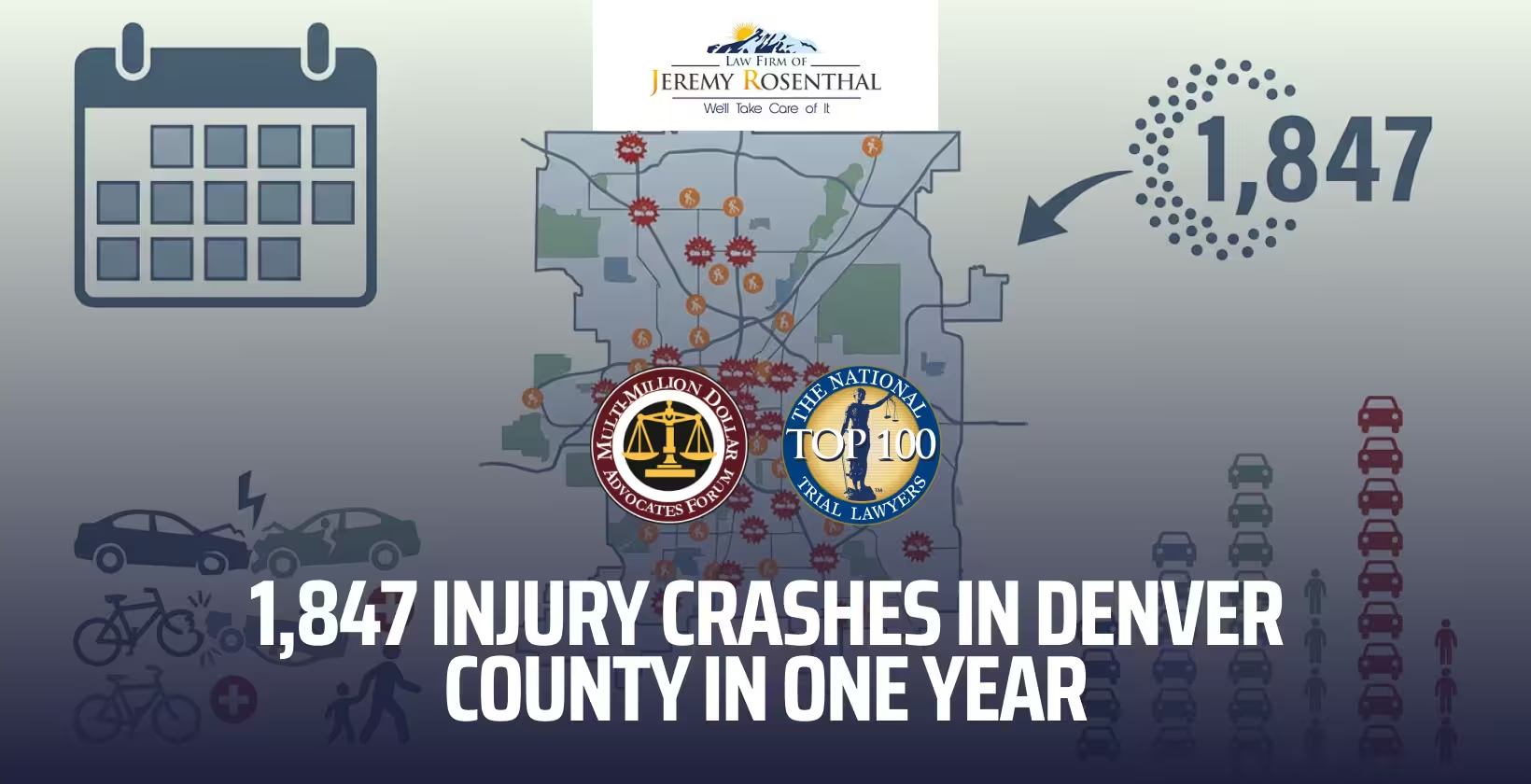
Los accidentes de camiones producen lesiones cerebrales traumáticas devastadoras cuando vehículos comerciales que pesan 80,000 libras chocan con automóviles de pasajeros, creando enormes diferencias de fuerza que causan traumatismos craneales severos incluso a velocidades moderadas en los corredores I-25, I-70 e I-225 de Denver. La Administración Federal de Seguridad de Autotransportistas informa que 17% de los accidentes fatales de camiones grandes involucran fatiga del conductor, y las violaciones de 49 CFR § 395.3 (reglamentos de horas de servicio) o los estatutos de seguridad de vehículos comerciales de Colorado bajo CRS § 42-20-107 establecen incumplimientos regulatorios que sustentan demandas por negligencia cuando los camioneros exceden las horas de conducción permitidas. Estas violaciones federales y estatales crean bases sólidas de responsabilidad cuando los abogados de lesiones cerebrales traumáticas de Denver demuestran que los camioneros exhaustos causaron accidentes que resultaron en lesiones craneales cerradas, conmociones cerebrales o deterioro cognitivo permanente. Entre las pruebas que pueden reforzar su caso se incluyen los registros de los dispositivos de registro electrónico, los registros de mantenimiento de la empresa de transporte, los archivos de cualificación del conductor, los datos de la caja negra del vehículo comercial, la documentación médica de los déficits neurológicos y los registros laborales que demuestren la violación por parte del conductor de los requisitos de descanso.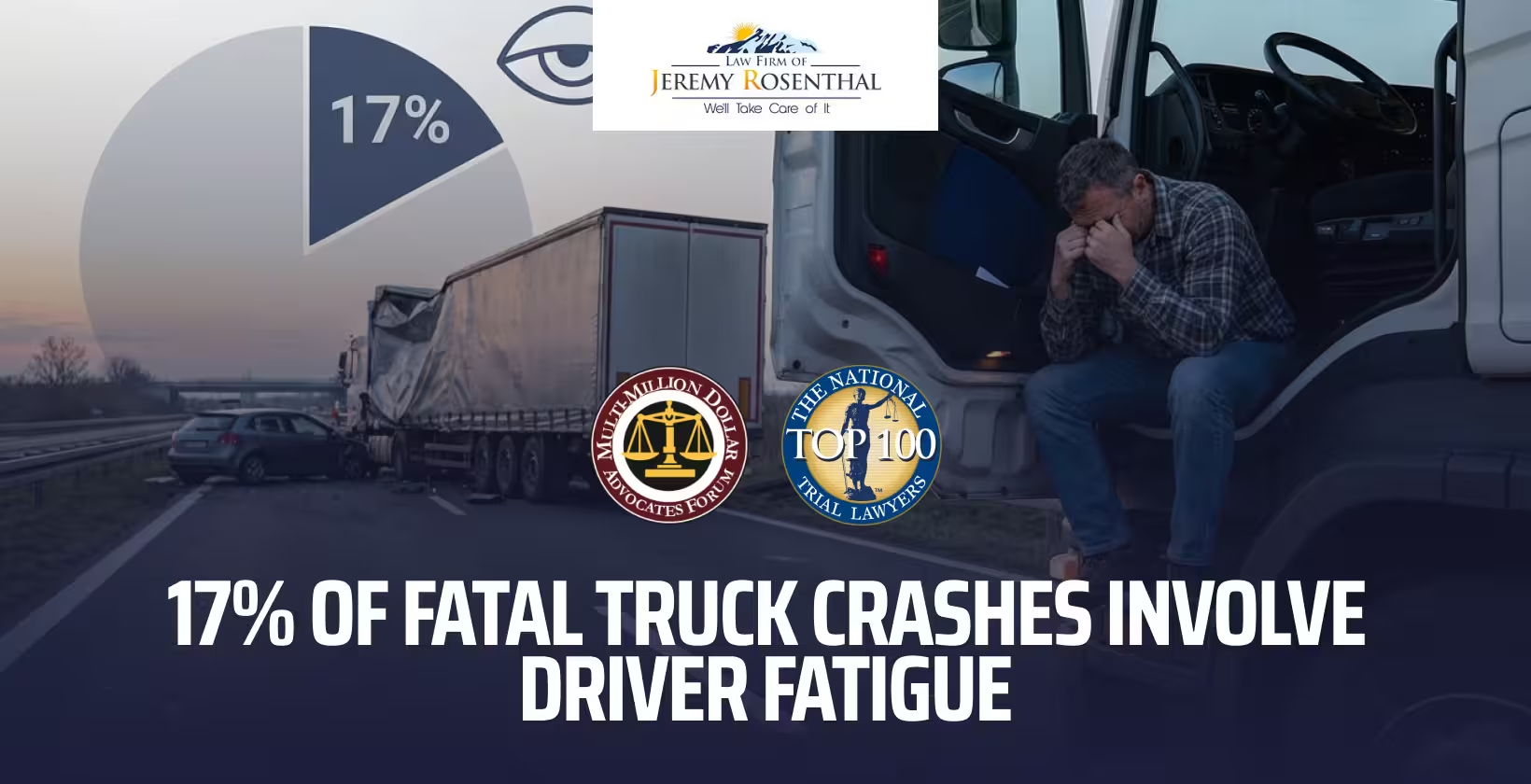
Los accidentes de motocicleta provocan lesiones cerebrales traumáticas a un ritmo alarmante debido a que los motociclistas carecen de estructuras protectoras en sus vehículos, lo que deja sus cabezas vulnerables al impacto directo contra el pavimento, las barandillas o cualquier otro vehículo durante los choques en las calles urbanas y las carreteras de montaña de Denver. Según datos de la Administración Nacional de Seguridad del Tráfico en las Carreteras (NHTSA), los motociclistas tienen 28 veces más probabilidades de morir en accidentes que los ocupantes de automóviles por milla recorrida, y la ley de Colorado sobre el uso obligatorio del casco, bajo el CRS § 42-4-1502, exige el uso de casco protector específicamente porque las lesiones cerebrales representan el 371% de las causas de muerte en accidentes de motocicleta. Cuando los conductores de automóviles violan las normas de prioridad de paso o no revisan los puntos ciegos antes de cambiar de carril, su negligencia causa directamente accidentes de motocicleta prevenibles que resultan en traumatismos cerebrales graves que requieren intervención neuroquirúrgica inmediata. Las pruebas que pueden fortalecer su caso incluyen documentación sobre el estado y la certificación del casco, patrones de daños en la motocicleta que indiquen la gravedad del impacto, testimonios de testigos sobre el comportamiento del conductor antes de la colisión, resultados de pruebas neuropsicológicas que muestren déficits cognitivos, fotografías del estado de la carretera y videos de vigilancia de negocios cercanos que captaron el accidente.
Los peatones atropellados por automóviles sufren lesiones cerebrales traumáticas cuando los vehículos los golpean en pasos de peatones, estacionamientos y vecindarios residenciales en todo Denver, provocando que sus cabezas impacten contra parabrisas, capós o pavimento con la fuerza suficiente para producir conmociones cerebrales, fracturas de cráneo y lesiones axonales difusas. El condado de Denver registra aproximadamente 289 accidentes de peatones anualmente, según las estadísticas del Departamento de Transporte de Colorado, y los conductores que violan el CRS § 42-4-802 (obligación de ceder el paso a los peatones en los pasos de peatones) o el § 42-4-1007 (prohibiciones de conducción distraída) incumplen deberes legales que establecen negligencia per se en litigios civiles. La violación de estas leyes de protección de peatones crea responsabilidad presunta cuando el incumplimiento causa directamente un traumatismo cerebral, particularmente en pasos de peatones señalizados donde los peatones tienen derecho de paso claro según la ley de Colorado. Entre las pruebas que pueden reforzar su caso se incluyen los registros de sincronización de los semáforos peatonales, los registros del teléfono móvil del conductor que muestren su uso en el momento de la colisión, la vestimenta del peatón y los factores de visibilidad, la ubicación de los daños en el vehículo que indiquen el punto de impacto, las tomografías computarizadas que revelen hemorragias cerebrales y los testimonios de testigos sobre el cumplimiento de las señales de tráfico por ambas partes.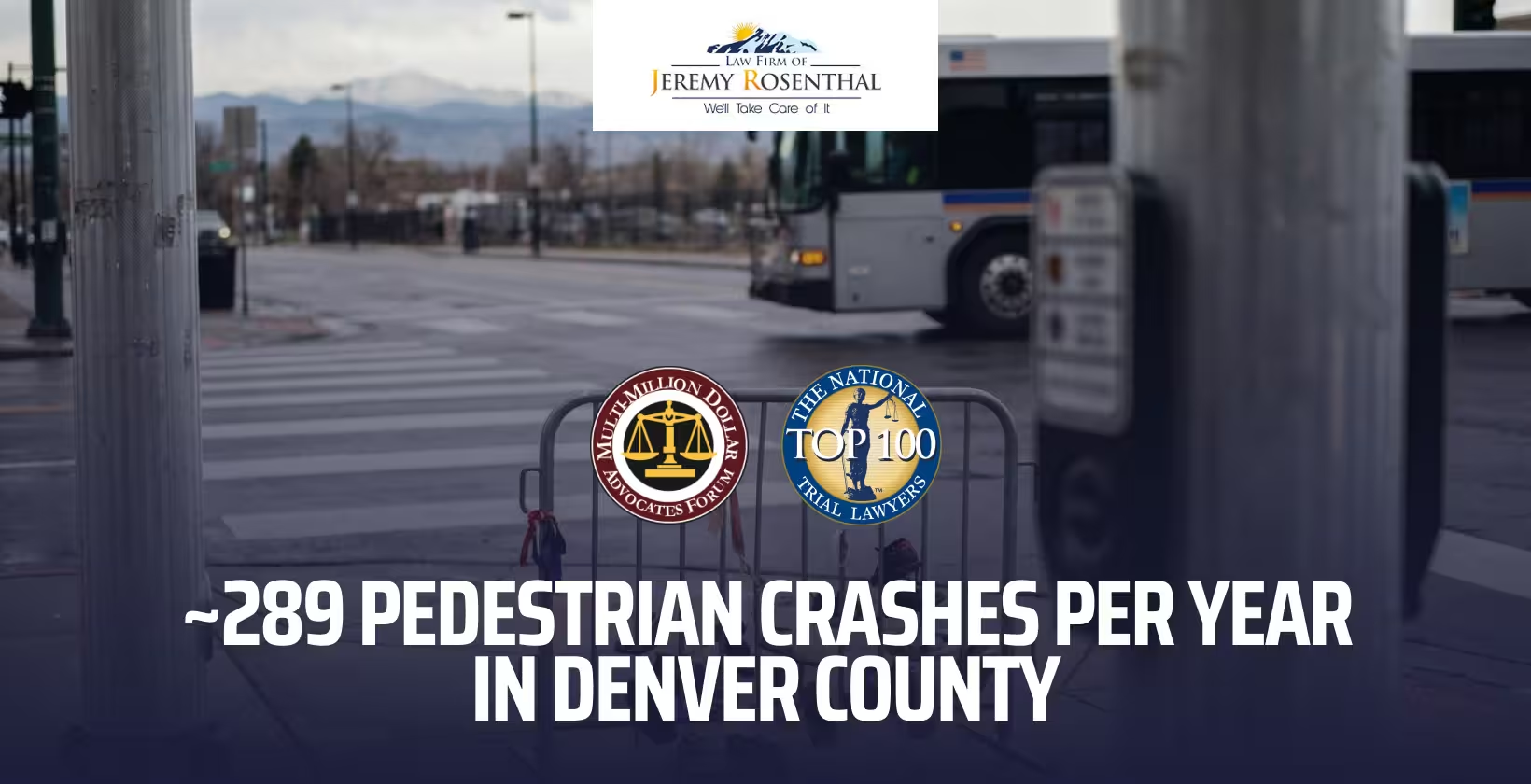
Los accidentes de bicicleta generan lesiones cerebrales traumáticas cuando los ciclistas de Denver chocan con puertas de automóviles que se abren, conductores distraídos o peligros en la carretera en la red de carriles para bicicletas de 196 millas de la ciudad, lo que provoca que los ciclistas se caigan y se golpeen la cabeza a pesar de usar cascos protectores que reducen, pero no eliminan, el riesgo de lesiones. El Departamento de Transporte de Colorado reporta 1347 accidentes de bicicleta en todo el estado en 2022, de los cuales el condado de Denver representa aproximadamente 181 de estos incidentes, y los automovilistas que violan el CRS § 42-4-1412 (requisito de distancia de rebasamiento de tres pies) o el § 42-4-1003 (prohibición de abrir puertas hacia el tráfico) crean condiciones peligrosas que causan directamente lesiones cerebrales prevenibles. Estas violaciones legales establecen negligencia cuando los abogados de lesiones cerebrales traumáticas de Denver demuestran que el incumplimiento de las leyes de protección de ciclistas por parte del conductor causó directamente la colisión y el daño neurológico resultante. Entre las pruebas que pueden reforzar su caso se incluyen el estado del casco de la bicicleta y las marcas de impacto, los datos GPS de los ciclocomputadores que muestran la velocidad y la ruta, las declaraciones del conductor sobre el uso de los espejos y la comprobación de las puertas, las especificaciones de diseño del carril bici, los historiales médicos que documentan la duración de la pérdida de conciencia y las fotografías de las condiciones de la superficie de la carretera que contribuyeron al accidente.
Los accidentes por resbalones y caídas provocan lesiones cerebrales traumáticas cuando los visitantes de propiedades en Denver pierden el equilibrio en aceras heladas, pisos mojados o superficies irregulares, cayendo hacia atrás y golpeándose la cabeza contra concreto, baldosas u otros materiales duros en negocios, edificios gubernamentales y propiedades residenciales en todo el condado de Denver. Según datos del Consejo Nacional de Seguridad, las caídas representan 8.9 millones de visitas anuales a la sala de emergencias en todo el país, de las cuales aproximadamente 31 TP3T resultan en lesiones cerebrales traumáticas, y la ley de responsabilidad de las instalaciones de Colorado bajo CRS § 13-21-115 exige que los propietarios mantengan condiciones razonablemente seguras o adviertan a los visitantes sobre peligros conocidos que podrían causar daños previsibles. La negligencia del propietario se vuelve punible cuando no inspeccionan los pasillos, no eliminan la acumulación de hielo, no reparan las escaleras rotas o no abordan los peligros conocidos que causan directamente caídas que resultan en conmociones cerebrales, hematomas subdurales o disfunción cognitiva permanente. Entre las pruebas que pueden reforzar su caso se incluyen los informes de incidentes presentados ante la administración de la propiedad, los registros meteorológicos que muestren la precipitación y la temperatura en la fecha de la caída, los registros de mantenimiento de la propiedad que revelen deficiencias en las inspecciones, las grabaciones de vigilancia que capturen el mecanismo de la caída, las declaraciones de testigos de otros visitantes que notaron el peligro y las imágenes médicas que demuestren patrones de sangrado intracraneal compatibles con un traumatismo por caída.
Los accidentes deportivos producen lesiones cerebrales traumáticas cuando los atletas de Denver sufren colisiones violentas, caídas o golpes con equipos durante actividades recreativas en parques de la ciudad, gimnasios privados y competiciones de ligas organizadas, lo que provoca conmociones cerebrales y traumatismos craneales más graves que requieren intervención médica inmediata y seguimiento neurológico a largo plazo. Los Centros para el Control y la Prevención de Enfermedades (CDC) estiman que entre 1,6 y 3,8 millones de lesiones cerebrales traumáticas relacionadas con el deporte ocurren anualmente en los Estados Unidos, y la ley de Colorado, bajo el CRS § 13-21-120, limita la responsabilidad de los participantes deportivos que asumen riesgos inherentes, pero preserva las reclamaciones contra instalaciones, entrenadores o coparticipantes cuya conducta imprudente exceda el comportamiento competitivo normal y cause lesiones cerebrales prevenibles. La responsabilidad se aplica cuando los operadores de las instalaciones no mantienen equipos seguros, los entrenadores ignoran los protocolos de regreso al juego para casos de conmoción cerebral, o los participantes incurren en violencia intencional que trasciende los niveles de contacto físico aceptados en el deporte. Entre las pruebas que pueden reforzar su caso se incluyen los registros de inspección de las instalaciones y los registros de mantenimiento de los equipos de seguridad, las certificaciones de los entrenadores y la documentación del protocolo de entrenamiento, los testimonios de los testigos del contacto que causó la lesión, los resultados de las pruebas cognitivas de referencia de las evaluaciones de pretemporada, las evaluaciones neuropsicológicas posteriores a la lesión que muestran un deterioro funcional y las normas de la liga que definen el contacto aceptable frente al prohibido en el deporte específico.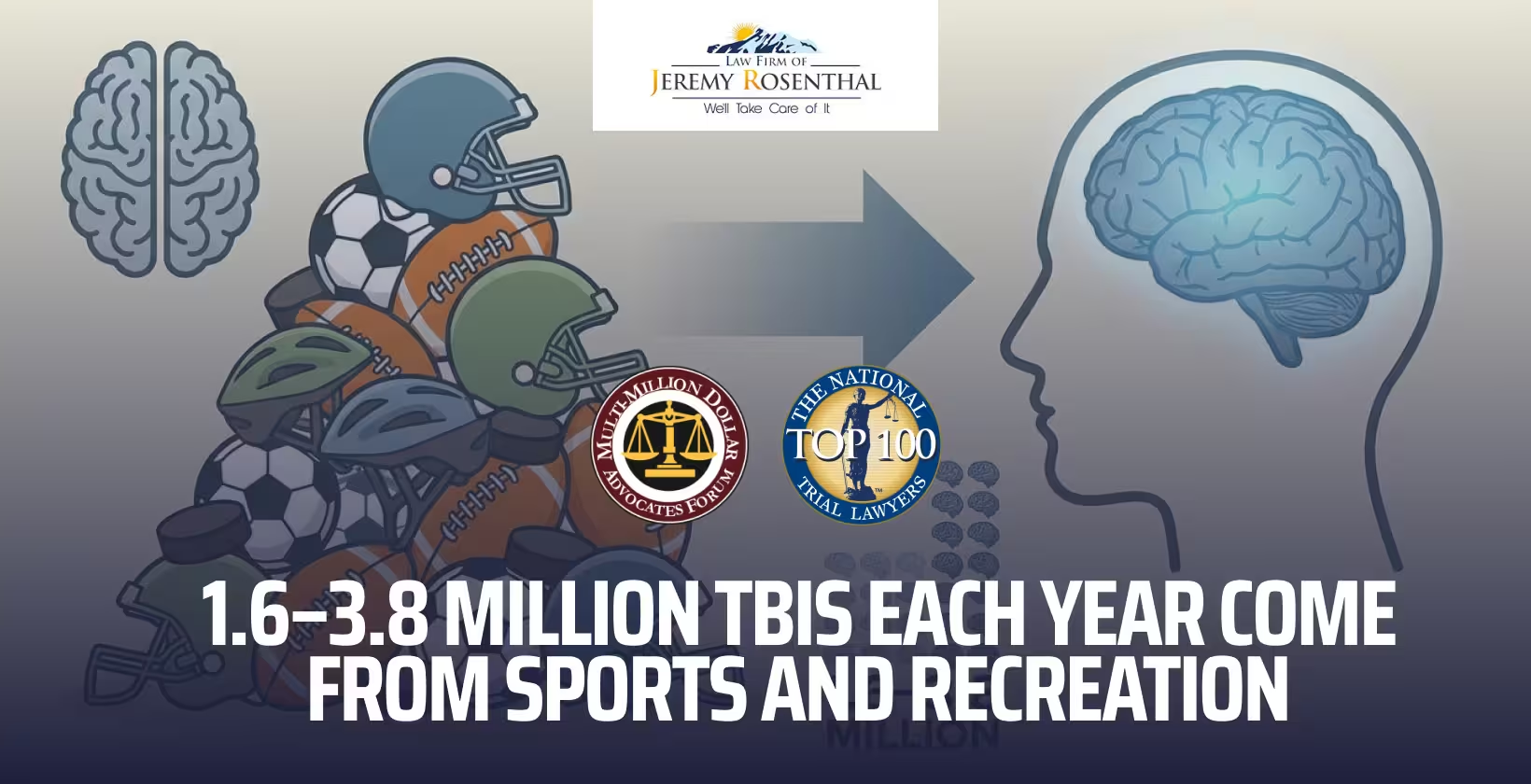
Accidentes laborales que provocan lesiones cerebrales traumáticas (Lesión cerebral traumáticaLas lesiones en la cabeza ocurren cuando los empleados caen desde superficies elevadas, son golpeados por equipos que caen o manejan maquinaria pesada sin los protocolos de seguridad adecuados, lo que provoca traumatismos craneales catastróficos que afectan las carreras profesionales y la estabilidad familiar en las obras de construcción, almacenes e instalaciones industriales de Denver. La Ley de Seguridad y Salud Ocupacional de Colorado exige que los empleadores mantengan condiciones de trabajo seguras, y la Oficina de Estadísticas Laborales informa que las caídas en el lugar de trabajo representan el 17.4 por ciento de las lesiones cerebrales traumáticas a nivel nacional, según datos de los Centros para el Control y la Prevención de Enfermedades, siendo los trabajadores de la construcción quienes enfrentan el mayor riesgo en el condado de Denver. Los empleadores son responsables cuando las violaciones de seguridad contribuyen a las lesiones en la cabeza si la capacitación inadecuada, el equipo defectuoso o las infracciones de las normas de OSHA crean condiciones peligrosas. Las pruebas que pueden fortalecer su caso incluyen informes de incidentes presentados a los supervisores, fotografías del lugar del accidente, declaraciones de testigos de compañeros de trabajo, registros de inspección de seguridad, documentación médica que vincule las lesiones con el evento en el lugar de trabajo y citaciones por violaciones de OSHA.
Los productos defectuosos provocan lesiones cerebrales traumáticas cuando los cascos defectuosos fallan durante los impactos, las bolsas de aire defectuosas se despliegan incorrectamente durante las colisiones vehiculares o los equipos de seguridad que funcionan mal colapsan durante el uso normal, causando un traumatismo craneal severo que transforma las capacidades cognitivas y la regulación emocional de las víctimas de maneras que las familias de Denver luchan por reconocer hasta meses después de la lesión inicial. Las demandas por responsabilidad del producto en Colorado siguen estándares de responsabilidad estricta según CRS § 13-21-401, lo que significa que los fabricantes son responsables por defectos de diseño, fallas de fabricación o advertencias inadecuadas, y la Comisión de Seguridad de Productos del Consumidor documenta 38,573 hospitalizaciones por lesiones en la cabeza vinculadas a productos de consumo defectuosos anualmente según datos del Sistema Nacional de Vigilancia Electrónica de Lesiones. Los fabricantes, distribuidores y minoristas comparten la responsabilidad cuando las fallas de diseño o los errores de producción crean peligros irrazonables que causan traumatismos cerebrales prevenibles. Entre las pruebas que pueden reforzar su caso se incluyen el propio producto defectuoso conservado en su estado posterior al accidente, los recibos de compra y la documentación de la garantía, el análisis de ingeniería realizado por expertos que identifique el defecto específico, los avisos de retirada del mercado o los boletines de seguridad, los historiales médicos que documenten patrones de lesiones compatibles con el fallo del producto y el testimonio de otras víctimas lesionadas por productos idénticos.
Los accidentes recreativos producen lesiones cerebrales traumáticas cuando los ciclistas chocan con las puertas de los vehículos que se abren hacia los carriles bici de Denver, los esquiadores chocan con obstáculos sin señalizar en las estaciones de esquí de Colorado, o los nadadores se zambullen en zonas poco profundas de piscinas sin las advertencias de profundidad adecuadas, generando traumatismos craneales que destruyen los estilos de vida activos que las víctimas construyeron durante décadas de actividades deportivas. La ley de responsabilidad de las instalaciones de Colorado responsabiliza a los propietarios de las condiciones peligrosas según el artículo 13-21-115 de los Estatutos Revisados de Colorado (CRS), y el Consejo Nacional de Seguridad informa que las actividades recreativas causan el 19,2 % de las lesiones cerebrales traumáticas que requieren tratamiento de emergencia, según los datos de Injury Facts 2023, y los parques e instalaciones recreativas del condado de Denver experimentan un aumento en las tasas de accidentes durante los meses de verano. Los propietarios y operadores de actividades se enfrentan a demandas por negligencia cuando no advierten a los participantes sobre los peligros conocidos, no mantienen equipos seguros o no hacen cumplir normas de seguridad razonables que prevengan lesiones craneales previsibles. Entre las pruebas que pueden reforzar su caso se incluyen fotografías que documenten las condiciones peligrosas en el lugar del accidente, testimonios de otros participantes que presenciaron el incidente, informes de inspección de las instalaciones que revelen quejas previas sobre seguridad, historiales médicos que establezcan la gravedad del deterioro cognitivo, exenciones de responsabilidad firmadas que puedan contener limitaciones de responsabilidad no exigibles y grabaciones de vídeo de cámaras de vigilancia o dispositivos de grabación de los participantes.
Las agresiones que causan lesiones cerebrales traumáticas ocurren cuando los perpetradores golpean a las víctimas con objetos contundentes, les estrellan la cabeza contra superficies de concreto durante robos o les infligen golpes repetidos durante incidentes de violencia doméstica, creando daño cerebral que elimina la formación de la memoria, el control de los impulsos y los rasgos fundamentales de la personalidad que definían a las víctimas antes del ataque en los vecindarios de Denver donde la seguridad inadecuada o la administración negligente de la propiedad permitieron la violencia. Colorado reconoce las demandas por negligencia en seguridad bajo la doctrina de responsabilidad de las instalaciones cuando los propietarios no implementan medidas de protección razonables, y la Asociación de Lesiones Cerebrales informa que las agresiones representan el 11 por ciento de las lesiones cerebrales traumáticas a nivel nacional según los datos de vigilancia de los Centros para el Control y la Prevención de Enfermedades, siendo los bares, las estructuras de estacionamiento y los complejos de apartamentos lugares de alto riesgo en todo el condado de Denver. Los propietarios enfrentan responsabilidad cuando la iluminación inadecuada, las cámaras de seguridad rotas, la falta de personal o la falta de atención a la actividad delictiva conocida crean condiciones que permiten agresiones que producen traumatismos craneales graves. Entre las pruebas que pueden reforzar su caso se incluyen los informes policiales que documentan la agresión y los registros de detención, los registros de urgencias que fotografían las lesiones visibles y documentan los síntomas neurológicos, las grabaciones de las cámaras de seguridad que muestran el ataque o revelan deficiencias en la seguridad, los informes de delitos anteriores presentados en el mismo lugar que establecen un patrón de violencia, los registros de inspección de la propiedad que revelan infracciones del código y el testimonio de testigos presenciales que observaron la agresión o que pueden describir medidas de seguridad inadecuadas.
Los abogados de Denver especializados en lesiones cerebrales traumáticas ofrecen representación legal integral, que incluye investigación del lugar del accidente, análisis de responsabilidad, gestión de reclamaciones de seguros, coordinación de pruebas médicas, negociación de acuerdos, defensa en juicios, cálculo de daños, resolución de gravámenes médicos, seguimiento del plazo de prescripción y defensa por culpa comparativa para víctimas que sufren deterioro cognitivo, pérdida de memoria y daño neurológico permanente. Estos servicios legales abordan los desafíos únicos que enfrentan las víctimas de lesiones cerebrales traumáticas al probar lesiones invisibles, establecer necesidades de atención a largo plazo y obtener una compensación justa de las compañías de seguros que habitualmente minimizan las reclamaciones por lesiones cerebrales.
Los abogados recopilan fotografías del lugar del accidente, evaluaciones de los daños del vehículo, declaraciones de testigos que documentan la pérdida de conciencia, informes de los servicios de emergencia que indican las puntuaciones de la Escala de Coma de Glasgow y grabaciones de vigilancia que muestran las fuerzas de impacto que causaron el traumatismo cerebral. Los abogados contratan a expertos en reconstrucción de accidentes que calculan las fuerzas G, las velocidades de impacto en la cabeza y los datos de aceleración rotacional para establecer el mecanismo de la lesión, lo cual es necesario para probar la causalidad del traumatismo craneoencefálico.
Los abogados examinan los registros de infracciones de tránsito, los datos de uso del teléfono celular, los informes toxicológicos, los registros de conductores comerciales y el historial de mantenimiento de vehículos para determinar cómo las acciones negligentes (conducción distraída, exceso de velocidad, conducción bajo los efectos del alcohol o no ceder el paso) causaron directamente la colisión que resultó en un traumatismo cerebral. Los abogados identifican a todas las partes responsables, incluidos los conductores, los empleadores (bajo la doctrina de responsabilidad vicaria), los fabricantes de vehículos y las entidades gubernamentales cuyos fallos en el diseño de las carreteras contribuyeron a los accidentes que causaron lesiones cerebrales traumáticas.
Los abogados presentan a los peritos de seguros paquetes de demanda exhaustivos que incluyen tomografías computarizadas, resultados de resonancias magnéticas, puntuaciones de pruebas neuropsicológicas, informes médicos que documentan déficits cognitivos e informes económicos que proyectan los costos de atención médica de por vida, protegiendo a sus clientes de las declaraciones grabadas que las aseguradoras utilizan para denegar las reclamaciones. Los abogados documentan todas las comunicaciones de la aseguradora, las demoras en las respuestas y las denegaciones de cobertura, sentando así las bases para reclamaciones de mala fe si las aseguradoras rechazan ofertas de acuerdo justas a pesar de la clara evidencia de responsabilidad y lesiones catastróficas.
Los abogados colaboran con neurólogos, neurocirujanos, neuropsicólogos y especialistas en rehabilitación para obtener historiales clínicos completos que incluyan las puntuaciones iniciales de la Escala de Coma de Glasgow, los hallazgos de la tomografía computarizada, la evidencia de fracturas de cráneo y la documentación de hemorragias intracraneales que establezcan la gravedad de las lesiones inmediatamente después de los accidentes. Los abogados organizan exámenes neuropsicológicos independientes que miden la capacidad de atención, la función de la memoria, el razonamiento ejecutivo y los déficits en la velocidad de procesamiento que las pruebas de imagen estándar no detectan, y posteriormente obtienen el testimonio de los médicos que vinculan directamente los deterioros cognitivos con las fuerzas del accidente, en lugar de con afecciones preexistentes.
Los abogados presentan cartas de reclamación respaldadas por pruebas que incluyen planes de atención a largo plazo que proyectan décadas de terapia ocupacional, terapia del habla, rehabilitación cognitiva, tratamiento psiquiátrico y costos de equipos de adaptación que las compañías de seguros subestiman sistemáticamente al calcular las ofertas de indemnización. Los abogados rebaten las propuestas irrisorias citando estudios publicados sobre los resultados de las lesiones cerebrales traumáticas, resoluciones de la Seguridad Social por discapacidad que confirman una discapacidad permanente y evaluaciones de rehabilitación vocacional que demuestran una discapacidad total, lo que justifica las demandas de indemnización multimillonarias.
Los abogados presentan demandas civiles en el Tribunal de Distrito de Denver alegando negligencia, obtienen información exhaustiva mediante interrogatorios que exigen los montos de las reservas de las aseguradoras y las denegaciones de reclamaciones anteriores, toman declaración a los conductores culpables sobre su comportamiento antes del accidente y consiguen declaraciones de los médicos tratantes que establecen la causalidad del daño cerebral permanente. Los abogados contratan ingenieros biomecánicos que testifican sobre las fuerzas de impacto que superan los umbrales de lesión cerebral, economistas vocacionales que calculan la pérdida de capacidad de ganancia durante la vida laboral y planificadores de cuidados a largo plazo que detallan los gastos médicos futuros cuando las negociaciones de conciliación no producen ofertas de compensación adecuadas.
Los abogados calculan las pérdidas económicas, que incluyen los gastos de urgencias, los costos de la unidad de cuidados intensivos, los honorarios de neurocirugía, los gastos de rehabilitación hospitalaria (con un promedio de 1.048.470 dólares diarios, según datos de la Agencia para la Investigación y la Calidad de la Atención Médica), los medicamentos recetados, el equipo médico, las adaptaciones del hogar y la pérdida de ingresos por la incapacidad de reincorporarse al trabajo tras sufrir discapacidades cognitivas permanentes. Los abogados reclaman indemnizaciones por daños no económicos, como dolores de cabeza crónicos, cambios de personalidad, desregulación emocional, deterioro de las relaciones, pérdida del disfrute de actividades que requieren concentración o memoria, y disminución de la calidad de vida derivada de las discapacidades invisibles que sufren permanentemente las víctimas de lesiones cerebrales traumáticas.
Los abogados rebaten los argumentos de las compañías de seguros que atribuyen responsabilidad parcial en el accidente a las víctimas mediante reclamaciones por exceso de velocidad antes del impacto, disputas sobre la posición en el carril o supuestas infracciones de tráfico que reducirían las indemnizaciones por daños y perjuicios según la ley de negligencia comparativa modificada de Colorado (CRS § 13-21-111), que prohíbe la recuperación si los demandantes superan el límite de culpa 49%. Los abogados presentan grabaciones de cámaras de tráfico, descargas de registradores de datos de eventos, testimonios de testigos independientes y análisis de reconstrucción de accidentes que demuestran que los demandados son los únicos responsables de las colisiones que causan lesiones cerebrales traumáticas, eliminando así las asignaciones de porcentaje de culpa que reducen proporcionalmente los veredictos del jurado y los valores de los acuerdos.
El derecho de daños proporciona el fundamento legal que permite a las víctimas de lesiones cerebrales traumáticas buscar una compensación de las partes cuya negligencia o conducta ilícita causó sus lesiones. Los principios de responsabilidad civil de Colorado establecen que las personas y entidades tienen el deber de actuar con la debida diligencia hacia los demás, y el incumplimiento de este deber genera responsabilidad cuando las lesiones cerebrales resultan de dicho incumplimiento. Las demandas por negligencia, las acciones civiles más comunes en casos de lesiones cerebrales traumáticas, requieren probar cuatro elementos: que el demandado tenía el deber de actuar con diligencia, que el demandado incumplió ese deber por acción u omisión, que el incumplimiento causó directamente la lesión cerebral traumática del demandante y que el demandante sufrió daños indemnizables. Los delitos intencionales, como la agresión o la agresión con lesiones, se aplican cuando alguien causa deliberadamente un traumatismo craneoencefálico mediante violencia física o conducta imprudente. Los principios de responsabilidad objetiva rigen ciertos casos de lesiones cerebrales traumáticas que involucran productos defectuosos, como cascos que no protegen contra las fuerzas de impacto o vehículos con sistemas de seguridad inadecuados que permiten que las cabezas golpeen las superficies interiores durante las colisiones.
Las víctimas de lesiones cerebrales traumáticas poseen derechos legales integrales para obtener una compensación económica por todas las pérdidas derivadas de la negligencia o actos ilícitos de terceros. La ley de Colorado otorga a las personas lesionadas el derecho a reclamar daños económicos, incluidos gastos médicos pasados y futuros, salarios perdidos, disminución de la capacidad de ganancia y costos de rehabilitación si la negligencia causó su traumatismo craneoencefálico. Las víctimas conservan el derecho a reclamar daños no económicos por dolor y sufrimiento, angustia emocional, deterioro cognitivo, cambios de personalidad y pérdida del disfrute de las actividades cotidianas que los síntomas de la lesión cerebral traumática imposibilitan. Los Estatutos Revisados de Colorado establecen un plazo de prescripción de tres años para las reclamaciones por lesiones personales, lo que exige que las víctimas presenten demandas dentro de los tres años posteriores a la fecha de la lesión, a menos que se apliquen disposiciones de suspensión del plazo. Los residentes del condado de Denver tienen derecho a rechazar ofertas de indemnización de las aseguradoras insuficientes y exigir una compensación total mediante litigio si las aseguradoras subestiman el valor de sus reclamaciones.
La responsabilidad indirecta permite a las víctimas de lesiones cerebrales traumáticas responsabilizar a empleadores, propietarios o empresas por las lesiones causadas por sus empleados, agentes o contratistas que actúan en el ejercicio de sus funciones laborales o de agencia. Los tribunales de Colorado aplican la doctrina de la responsabilidad del superior, lo que hace responsables a los empleadores cuando los repartidores, conductores de camiones u otros empleados causan traumatismos craneales durante actividades laborales, incluso si el empleador no cometió ninguna falta directa. Las empresas que contratan a trabajadores independientes son responsables cuando no verifican sus cualificaciones, no proporcionan la formación adecuada o no supervisan el trabajo que genera riesgos previsibles de lesiones cerebrales traumáticas. Los establecimientos comerciales se enfrentan a la responsabilidad indirecta cuando el personal de seguridad utiliza una fuerza excesiva que causa lesiones en la cabeza, o cuando el personal con formación insuficiente no previene condiciones peligrosas que provocan caídas con daño cerebral traumático. Las empresas constructoras son responsables de la negligencia de los subcontratistas que causan traumatismos craneales a trabajadores o transeúntes si mantienen el control sobre los protocolos de seguridad en la obra.
En los casos de traumatismo craneoencefálico, es común que varios acusados compartan la responsabilidad cuando diversas partes contribuyen a las circunstancias del accidente o al daño resultante mediante actos de negligencia independientes. El sistema de negligencia comparativa modificada de Colorado permite a las víctimas obtener una indemnización de todas las partes responsables si su propia culpa se mantiene por debajo del 50 %, con indemnizaciones reducidas proporcionalmente al porcentaje de responsabilidad de cada acusado. Una caída en una obra de construcción que produzca un traumatismo craneoencefálico grave podría involucrar al propietario del inmueble que no aseguró las instalaciones, al contratista que ignoró las normas de seguridad, al fabricante del equipo cuyo andamio defectuoso colapsó y al subcontratista que retiró las barreras de seguridad sin autorización. Las colisiones de vehículos que causan traumatismo craneoencefálico suelen implicar al conductor culpable, a su empleador si operaba en el ejercicio de sus funciones laborales, al fabricante del vehículo si los defectos en los frenos impidieron evitar la colisión y al municipio si el mal diseño o mantenimiento de la carretera contribuyó al accidente.
Para encontrar un abogado con experiencia y de confianza especializado en lesiones cerebrales traumáticas cerca de usted, visite una de las regiones que se enumeran a continuación.

Área metropolitana de Denver
Condado de Boulder
Norte de Colorado
Sur de Colorado
Ladera occidental
Llevar documentos e información específicos a su consulta inicial ayuda a los abogados a evaluar su caso de lesión cerebral traumática y a desarrollar un enfoque legal estratégico.
1. Documentación médica: Reúna los registros de la sala de emergencias, los resúmenes de alta hospitalaria, los resultados de las pruebas de diagnóstico por imagen (tomografías computarizadas, resonancias magnéticas), los informes del neurólogo y los resultados de la evaluación neuropsicológica que documenten el diagnóstico de su lesión cerebral y el cronograma del tratamiento.
2. Evidencia del accidente: Recopile informes policiales, fotografías del lugar del accidente, información de contacto de testigos y cualquier grabación de vídeo de cámaras de vigilancia, cámaras de salpicadero o teléfonos móviles que haya captado el incidente que le causó la lesión cerebral traumática.
3. Información sobre el seguro: Traiga sus tarjetas de seguro médico, los documentos de su póliza de seguro de automóvil, cualquier correspondencia de las compañías de seguros y los números de reclamación si ya ha presentado informes ante las aseguradoras.
4. Historial laboral: Presente recibos de nómina, formularios W-2, contratos de trabajo y documentación que acredite los días de trabajo perdidos o la pérdida de salario resultante de su lesión cerebral traumática y sus necesidades de recuperación.
5. Registros de gastos: Reúna las facturas médicas, los recibos de recetas, los costos de rehabilitación, los gastos de transporte para las citas médicas y los recibos de equipos adaptados o modificaciones en el hogar necesarias debido a su lesión cerebral.
6. Cronología escrita: Elabore un relato cronológico detallado del accidente, los síntomas inmediatos, los problemas cognitivos o físicos que vayan surgiendo y cómo la lesión cerebral traumática afecta a las actividades diarias, al rendimiento laboral y a las relaciones familiares.
7. Lista de preguntas: Prepare preguntas específicas sobre las leyes de Colorado relativas a lesiones cerebrales traumáticas, los plazos de prescripción, la estimación del valor del caso y la experiencia de los abogados en el manejo de reclamaciones similares por lesiones cerebrales en los tribunales de Denver.
Yes. Rosenthal Injury Law understands that accidents can happen anytime, day or night. Traumatic brain injuries require immediate legal attention to preserve evidence and protect your rights. With over two decades of experience handling complex personal injury cases throughout Colorado, Attorney Rosenthal ensures clients receive prompt, dedicated representation when they need it most, regardless of when their injury occurs.
Usted conserva el derecho a cambiar de abogado en cualquier momento si su abogado actual no se comunica eficazmente, carece de experiencia en lesiones cerebrales traumáticas o demuestra una dedicación insuficiente a su caso. Para cambiar de abogado, deberá firmar un formulario de sustitución, notificar por escrito a su abogado actual y asegurarse de que su nuevo equipo legal obtenga todos los expedientes, historiales médicos y pruebas recopiladas previamente. Su abogado original solo recibirá compensación por el trabajo realizado antes de la rescisión del contrato, según los principios de quantum meruit, si usted firmó un acuerdo de honorarios condicionales.
Su caso merece asesoría legal si la negligencia de otra persona causó su lesión cerebral traumática, resultando en gastos médicos, pérdida de ingresos o discapacidades cognitivas permanentes que afectan su funcionamiento diario. Algunos casos sólidos de lesión cerebral traumática incluyen accidentes donde los demandados violaron las leyes de tránsito, los propietarios no mantuvieron las instalaciones seguras, los empleadores ignoraron las normas de seguridad laboral o los fabricantes vendieron artículos defectuosos que causaron traumatismos craneales. Los abogados evalúan la solidez de su caso mediante consultas gratuitas, analizando las pruebas de responsabilidad, la documentación médica, la disponibilidad de testigos y el cumplimiento del plazo de prescripción en Colorado.
Encontrar un abogado especializado en lesiones cerebrales traumáticas en Denver requiere investigación y una evaluación cuidadosa para garantizar que su caso reciba la atención y la defensa adecuadas.
1. Consulta directorios y reseñas legales en línea.
Consulta los perfiles de abogados en directorios legales como Avvo, Martindale-Hubbell y Super Lawyers. Lee las opiniones de los clientes y verifica sus credenciales, su admisión al colegio de abogados y los resultados de sus casos para identificar abogados con experiencia en reclamaciones por lesiones cerebrales traumáticas.
2. Solicitar referencias de otros abogados.
Contacta a abogados que conozcas o con los que hayas trabajado anteriormente y pídeles recomendaciones. Los abogados familiarizados con el entorno legal de Denver pueden identificar a aquellos que manejan habitualmente casos de lesiones graves y obtienen resultados favorables para sus clientes.
3. Póngase en contacto con el Colegio de Abogados de Colorado.
Utilice el servicio de referencia de abogados del Colegio de Abogados de Colorado para encontrar abogados especializados en casos de lesiones cerebrales. El servicio verifica la licencia, el seguro de responsabilidad profesional y el historial disciplinario de los abogados antes de proporcionar referencias.
4. Solicita recomendaciones personales.
Habla con amigos, familiares o colegas que hayan presentado demandas por lesiones personales. Las experiencias personales ofrecen información valiosa sobre el estilo de comunicación, la disponibilidad y el compromiso del abogado con los intereses del cliente durante todo el proceso legal.
5. Programar consultas iniciales
Reúnase con varios abogados para analizar los detalles de su caso, evaluar su enfoque y determinar si hay compatibilidad entre ellos. La mayoría de los abogados especializados en lesiones personales ofrecen consultas gratuitas, lo que le permite comparar estrategias antes de tomar una decisión.
Los directorios en línea ofrecen información general, pero carecen de contexto personal. Los colegios de abogados verifican las credenciales, pero no evalúan la compatibilidad con el caso. Las recomendaciones personales brindan opiniones auténticas, pero opciones limitadas. Las referencias de abogados ofrecen información profesional sobre sus capacidades y reputación.
Combinar las recomendaciones de abogados con las consultas iniciales ofrece resultados óptimos. Las recomendaciones profesionales permiten identificar abogados competentes, mientras que las consultas confirman su capacidad para gestionar su caso específico y obtener una indemnización completa por sus lesiones.
Rosenthal Injury Law traumatic brain injury attorneys represent clients throughout Denver County and surrounding Colorado communities where negligence causes serious head injuries.
Comunidades del condado de Denver: Capitol Hill, Cherry Creek, Highland, Five Points, Washington Park, University Hills, Stapleton, Montbello y el centro de Denver, a lo largo de los corredores de la Interestatal 25, la Interestatal 70 y Colorado Boulevard, donde los accidentes de tráfico causan con frecuencia lesiones cerebrales traumáticas.
Condados vecinos: Los condados de Adams (Thornton, Westminster, Commerce City), Arapahoe (Aurora, Centennial, Littleton), Jefferson (Lakewood, Arvada, Golden) y Douglas (Highlands Ranch, Castle Rock, Parker) cubren accidentes laborales, incidentes de responsabilidad civil por daños en propiedades y colisiones vehiculares que resultan en traumatismos cerebrales.
Representación a nivel estatal: Los residentes de Colorado que resultan heridos en accidentes en Denver, los turistas que visitan Colorado y sufren lesiones cerebrales, y los residentes de Denver que resultan heridos en cualquier otro lugar de Colorado, reciben representación legal integral independientemente del lugar del accidente dentro de los límites del estado.
Cobertura urbana y rural: Barrios del área metropolitana de Denver, zonas residenciales suburbanas, corredores de carreteras de montaña, incluida la Interestatal 70 en dirección oeste, regiones agrícolas rurales y distritos comerciales donde resbalones y caídas, accidentes de construcción o accidentes de vehículos causan lesiones cerebrales traumáticas que alteran la vida y requieren una indemnización sustancial.
Nuestros abogados especializados en lesiones personales en Denver están listos para ayudarle a obtener la compensación que merece. Ya sea que haya sufrido lesiones en un accidente automovilístico, de motocicleta o cualquier otro incidente, estamos aquí para defender sus derechos. Comuníquese con nuestra oficina en Denver para programar su consulta gratuita hoy mismo.